
Fitness & Wellness
Unveiling the Hottest Fitness Trends 2025: What’s Next in Wellness?


Every year, it feels like the health and fitness world just keeps changing, right? There’s always something new popping up. But as we look ahead to 2025, things are getting really interesting. We’re seeing a big mix of old-school wellness ideas and super new technology. Think about it: AI helping you work out, or even smart stuff in your home making you feel better. It’s not just about hitting the gym anymore. This article will tell you all about the big fitness trends 2025 has in store, showing how everything from your mind to your gadgets will play a part in staying healthy.
Key Takeaways
- Fitness is becoming more about the whole person, not just physical exercise.
- People are taking charge of their own health with personal data and easy-to-use tools.
- The goal is to live well for a long time, with a focus on overall health, not just how long you live.
- Technology like AI and VR is making fitness and relaxation more personal and immersive.
- Simple, natural products are becoming popular for health and beauty.
Holistic Health Integration in Fitness
Mind-Body-Spirit Connection
It’s not just about lifting weights anymore. People are starting to realize that fitness is about more than just physical strength. The connection between mind, body, and spirit is becoming a central focus. This means paying attention to mental and emotional well-being alongside physical health. Think of it as a three-legged stool – if one leg is weak, the whole thing falls over. For example, hybrid exercise formats are emerging, combining traditional workouts with mindfulness to reduce stress and enhance physical fitness.
Comprehensive Wellness Approaches
Forget quick fixes and fad diets. The trend is moving toward comprehensive wellness approaches that address all aspects of health. This includes things like:
- Nutrition: Eating whole, unprocessed foods that nourish the body.
- Stress Management: Finding healthy ways to cope with stress, like meditation or spending time in nature.
- Sleep Hygiene: Prioritizing sleep to allow the body to rest and repair.
- Social Connection: Building strong relationships and feeling connected to a community.
It’s about creating a sustainable lifestyle that supports long-term health and well-being. It’s not about deprivation; it’s about balance.
Beyond Traditional Workouts
Say goodbye to endless hours on the treadmill. People are looking for workouts that are fun, engaging, and that offer more than just physical benefits. This means a rise in activities like:
- Yoga and Pilates: These practices combine physical movement with mindfulness and breathwork.
- Dance Fitness: A fun way to get your heart rate up while expressing yourself creatively.
- Outdoor Activities: Hiking, biking, and swimming offer a chance to connect with nature and get some exercise at the same time.
The goal is to find activities that you enjoy and that fit into your lifestyle. It’s about making movement a part of your daily routine, not a chore. People are embracing the idea that it’s never too late to start or continue their fitness journey and enjoy healthier aging and happier lives.
Self-Empowered Wellness and Biohacking
Individual Health Sovereignty
People are really starting to take charge of their own health. It’s not just about going to the doctor when something is wrong anymore. It’s about actively working to stay healthy and prevent problems in the first place. This shift towards individual health sovereignty means people want more control over their wellness journey. They’re looking for ways to understand their bodies better and make informed decisions about their health, often exploring alternative and complementary therapies alongside traditional medicine. The Wellness Company holistic approach is a great example of this trend.
Personalized Data-Driven Insights
We’re swimming in data these days, and that includes data about our own bodies. Wearable tech and at-home testing kits are making it easier than ever to track things like sleep, heart rate, and even blood glucose levels. This data can be used to personalize our wellness routines and make them more effective. It’s not about following generic advice anymore; it’s about figuring out what works best for you. Think of it like this:
- Tracking your sleep patterns to optimize your bedtime routine.
- Monitoring your heart rate during workouts to ensure you’re in the right zone.
- Using a continuous glucose monitor to understand how different foods affect your blood sugar.
Accessible Biohacking Tools
Biohacking used to sound like something out of a sci-fi movie, but it’s becoming more mainstream. It’s all about using science and technology to optimize your body and mind. And the best part? A lot of biohacking tools are now readily available to the average person. We’re talking about things like:
- Saunas and cold plunges for stress reduction and recovery.
- Red light therapy for skin health and pain relief.
- Nootropics for cognitive enhancement.
Even something as simple as breathwork exercises can be considered a form of biohacking. It’s about experimenting and finding what works for you. The key is to do your research and proceed with caution, but the possibilities are pretty exciting.
The Quest for Longevity
It seems like everyone is talking about living longer these days. It’s not really a new idea, but the way we’re thinking about it is definitely changing. It used to be about just tacking on more years at the end, but now, the conversation is much bigger. People are looking for ways to stay healthy and active for their entire lives, not just for a part of it. And it’s not just for the older crowd; younger generations are really getting on board, thinking about their long-term health way earlier than their parents ever did.
Living Longer, Healthier Lives
The basic idea is simple: we all want more time, and we want that time to be good. This means moving beyond just preventing major diseases and focusing on day-to-day vitality. It’s about having the energy to play with your grandkids, or even just feeling good when you wake up in the morning. People are making real lifestyle shifts to make this happen. It’s less about fad diets and more about building sustainable habits. Some common approaches include:
- Shifting to a diet rich in whole foods and plants.
- Finding enjoyable ways to move your body every day.
- Making sleep a non-negotiable priority.
- Actively finding ways to reduce daily stress.
Focus on Healthspan
You’re going to hear the word "healthspan" a lot more. It’s different from lifespan. Lifespan is just the total number of years you’re alive. Healthspan is the number of years you’re actually healthy and feeling good. The goal is shifting from simply extending the number of years we live to maximizing the number of years we spend in good health and full of energy. This changes everything. Instead of waiting for a problem to show up and then fixing it, people are trying to get ahead of the curve. They’re thinking about their health on a cellular level, trying to keep their bodies running efficiently for as long as possible.
Anti-Aging Innovations
This is where things get really interesting. Science is catching up to our desire to live well for longer, and new products and services are popping up all over the place. We’re seeing a huge interest in things that were once considered science fiction. People are using at-home kits to test their biological age and tracking their progress. The supplement world is also exploding with products aimed at slowing the aging process, from NAD boosters to specific eye health supplements designed to protect vision over time. It’s all about giving people more tools to take control of how they age.
| Innovation | Primary Goal |
|---|---|
| Epigenetic Age Tests | Measure biological age vs. chronological age |
| NAD+ Supplements | Support cellular energy and repair |
| Telomerase Activators | Protect the ends of chromosomes from shortening |
Tech-Enhanced Wellness Experiences
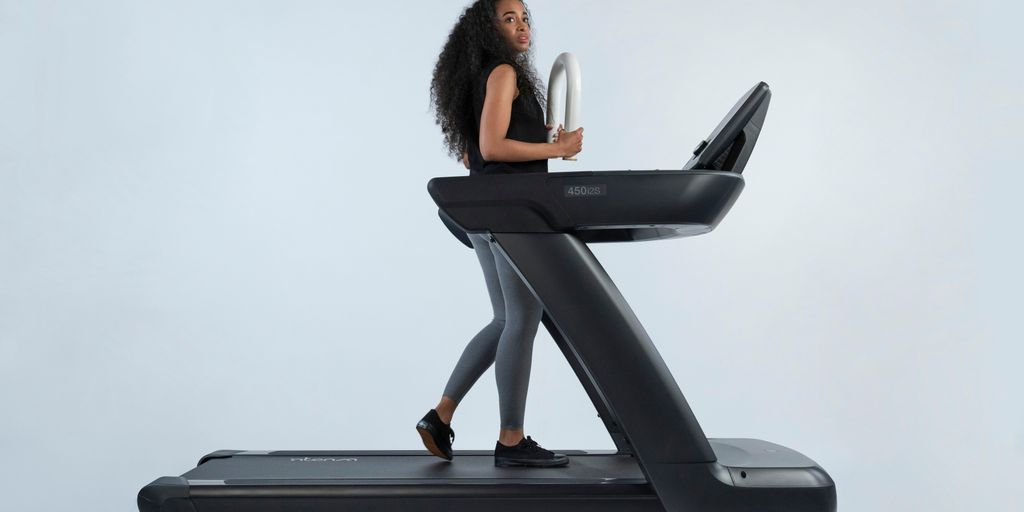
Technology is changing wellness, no doubt about it. It’s not just about fitness trackers anymore; it’s about blending tech right into how we take care of ourselves. I’m seeing more and more cool stuff that makes wellness feel like something out of a sci-fi movie. It’s pretty wild.
AI-Powered Fitness Coaching
Forget generic workout plans. AI is now creating fitness programs that adapt to your body in real-time. It’s like having a personal trainer who knows exactly when to push you harder and when to back off. These AI coaches analyze your data from wearables and adjust your workouts on the fly. I tried one of these apps last month, and it was way better than any pre-made routine I’ve ever used. It even factored in my sleep schedule and stress levels. Pretty neat, huh?
Virtual Reality Meditation
Struggling to quiet your mind? VR meditation is becoming a thing. Imagine putting on a headset and being transported to a peaceful beach or a serene forest. The visuals and sounds are designed to help you relax and focus. I know it sounds a little out there, but it’s surprisingly effective. Plus, some programs offer guided meditations and breathing exercises. It’s a great way to escape the chaos of everyday life, even if just for a few minutes. I think VR meditation is going to be huge.
Smart Home Wellness Systems
Your home can now be your personal wellness retreat. Smart home systems are integrating features that promote health and well-being. Think about it:
- Automated lighting that adjusts to your circadian rhythm.
- Air purifiers that remove allergens and pollutants.
- Smart thermostats that maintain optimal temperature and humidity.
It’s all about creating an environment that supports your physical and mental health without you even having to think about it. I’m especially excited about the potential of smart home wellness to help people with sleep problems. Imagine your house automatically dimming the lights and playing soothing sounds as bedtime approaches. Sounds good, right?
Wearable Technology Dominance
Exploding Wearable Market
The wearable tech market is absolutely booming, and it’s not slowing down anytime soon. We’re talking about everything from smartwatches to fitness trackers, and even smart rings. The numbers don’t lie: the market was already huge, but projections show it’s going to get even bigger. With companies like Samsung jumping into the ring market, expect even wider adoption of wearable fitness trackers in 2025.
Quantified Self Movement
This explosion is fueled by the "quantified self" movement. People are obsessed with tracking everything – steps, sleep, heart rate, you name it. Wearable devices give us the power to monitor our bodies in real-time, providing data that can help us make informed decisions about our health. It’s all about understanding yourself better through data.
Real-Time Health Tracking
The ability to track health metrics in real-time is a game-changer. It’s not just about counting steps anymore. We’re talking about advanced features like ECG monitoring, blood oxygen levels, and even stress tracking. This data can be incredibly valuable for identifying potential health issues early on and taking proactive steps to address them. Plus, the tech is getting better and cheaper, making it accessible to more people. Check out the evolution of smartwatch features over the years:
| Feature | 2020 | 2023 | 2025 (Projected) |
|---|---|---|---|
| Heart Rate | Standard | Standard | Standard |
| Step Tracking | Standard | Standard | Standard |
| Sleep Tracking | Basic | Improved | Advanced |
| ECG | Limited | More Common | Widespread |
| Blood Oxygen | Rare | Common | Standard |
| Stress Tracking | Emerging | Common | Standard |
It’s pretty wild to see how far things have come, and I can’t wait to see what’s next!
Simplicity in Wellness Products
The Three-Ingredient Trend
The wellness market is seeing a big move toward keeping things simple, especially with the "three-ingredient trend." People want products—whether it’s supplements, skincare, or food—that have just three powerful, easy-to-understand ingredients. It’s all about wanting to know exactly what you’re putting on or in your body. This also means brands are focusing on getting really good ingredients instead of a bunch of okay ones. It’s a win-win.
Minimalistic Formulations
It’s not just about three ingredients; it’s about fewer ingredients overall. People are tired of reading long labels filled with stuff they can’t pronounce. They want products that are effective but not overloaded with unnecessary chemicals or fillers. This trend is pushing companies to rethink how they formulate their products, focusing on what’s really needed and cutting out the rest. This is especially true in the fitness & wellness news sector, where consumers are increasingly scrutinizing product labels.
Clean Beauty and Supplements
"Clean" is the new buzzword. People want beauty and supplement products that are free from harmful chemicals, artificial colors, and synthetic fragrances. This goes hand-in-hand with the simplicity trend. The idea is that fewer ingredients often mean fewer chances for something toxic to sneak in. Brands are responding by being more transparent about their sourcing and manufacturing processes, building trust with consumers who are increasingly health-conscious. It’s about feeling good about what you’re using, inside and out.
Community-Focused Social Wellness
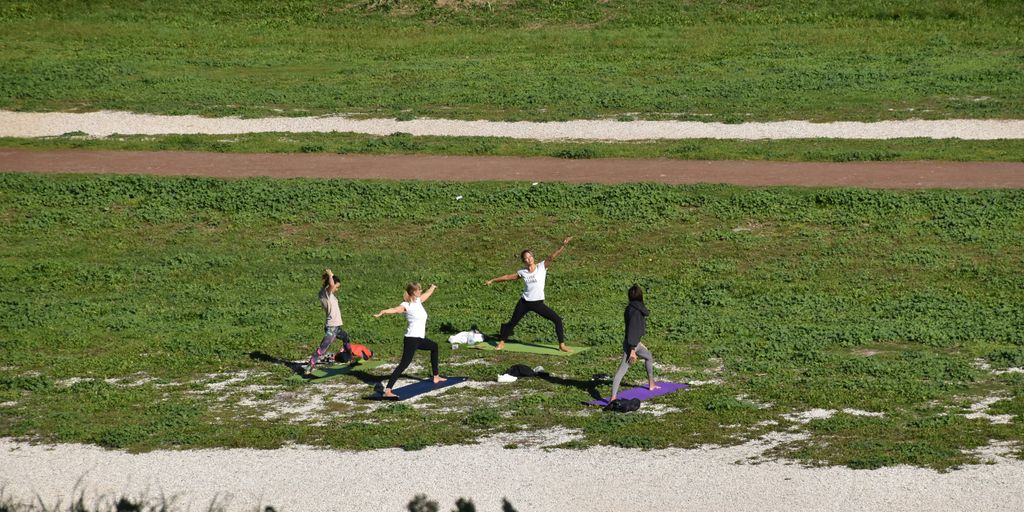
Rise of Social Wellness Clubs
Social wellness clubs are popping up everywhere, and honestly, it makes sense. People are craving connection, especially when it comes to health. These aren’t your grandma’s gyms; they’re more like community centers focused on well-being. They blend fitness, mindfulness, and social interaction into one package. Think group fitness classes, meditation sessions, and even workshops on healthy eating, all in a space where you can actually meet people and make friends. It’s like a gym, but with a built-in support system. You can find home workout programs that offer a similar sense of community through online groups, but it’s not quite the same as being there in person.
Shared Health Journeys
Going through a health journey alone can be tough. Social wellness is all about doing it together. It’s about finding people who are on a similar path, whether it’s weight loss, stress management, or just trying to live a healthier lifestyle. When you share your experiences with others, it creates a sense of accountability and motivation. Plus, it’s just nice to know you’re not the only one struggling with those early morning workouts or resisting that late-night snack. I think that’s why things like group fitness challenges and online support groups are so popular. People want to connect and share their experiences.
Supportive Wellness Environments
It’s not just about working out; it’s about creating a space where people feel supported and encouraged. These environments often include things like:
- Wellness coaches: People who can provide guidance and support.
- Group activities: Classes and workshops that promote social interaction.
- Relaxation areas: Spaces where people can unwind and de-stress.
These clubs are designed to be inclusive and welcoming, so everyone feels comfortable participating. It’s a shift away from the competitive, individualistic approach to fitness and towards a more collaborative and supportive model. Some wellness retreats are even incorporating elements of social connection, recognizing the importance of community in overall well-being.
Conclusion
So, that’s the rundown on what’s coming up in the fitness world for 2025. It’s pretty clear things are always changing, right? And with all the new tech popping up, those changes are just going to happen faster and faster. From gyms figuring out how to work in a post-pandemic world to fitness programs getting super high-tech, it’s a really cool time to be involved in all this stuff. It’s exciting to see what’s next!




Prosecutors Say Jason Finkelstein Spent 11 Seconds Reviewing Cardiac Images Before Clearing a Teenage Athlete

Prosecutors Say Jason Finkelstein Spent 11 Seconds Reviewing Cardiac Images Before Clearing a Teenage Athlete
Prosecutors Say Jason Finkelstein Spent 11 Seconds Reviewing Cardiac Images Before Clearing a Teenage Athlete
Prosecutors Say Jason Finkelstein Spent 11 Seconds Reviewing Cardiac Images Before Clearing a Teenage Athlete

Prosecutors Say Jason Finkelstein Spent 11 Seconds Reviewing Cardiac Images Before Clearing a Teenage Athlete
Prosecutors Say Jason Finkelstein Spent 11 Seconds Reviewing Cardiac Images Before Clearing a Teenage Athlete

Prosecutors Say Jason Finkelstein Spent 11 Seconds Reviewing Cardiac Images Before Clearing a Teenage Athlete
Prosecutors Say Jason Finkelstein Spent 11 Seconds Reviewing Cardiac Images Before Clearing a Teenage Athlete
Prosecutors Say Jason Finkelstein Spent 11 Seconds Reviewing Cardiac Images Before Clearing a Teenage Athlete

Prosecutors Say Jason Finkelstein Spent 11 Seconds Reviewing Cardiac Images Before Clearing a Teenage Athlete
Prosecutors Say Jason Finkelstein Spent 11 Seconds Reviewing Cardiac Images Before Clearing a Teenage Athlete
Prosecutors Say Jason Finkelstein Spent 11 Seconds Reviewing Cardiac Images Before Clearing a Teenage Athlete
Prosecutors Say Jason Finkelstein Spent 11 Seconds Reviewing Cardiac Images Before Clearing a Teenage Athlete

Prosecutors Say Jason Finkelstein Spent 11 Seconds Reviewing Cardiac Images Before Clearing a Teenage Athlete
Prosecutors Say Jason Finkelstein Spent 11 Seconds Reviewing Cardiac Images Before Clearing a Teenage Athlete

-
Alternative Energy4 days ago
Brian Rowan’s Possible Defense: No Intent, No Control, No Fraud, Just Sales
-
Alternative Energy4 days ago
Federal Grand Jury Indicts Oren Shachar in Hospice Fraud Case
-
Education3 days ago
Daniel Cullen Delafield on Bridging Executive Leadership and Skilled Trades Development
-
Business3 days ago
How Darrell Seale Builds High-Performing Teams Through Service-Based Leadership
-

 News1 day ago
Prosecutors Say Jason Finkelstein Spent 11 Seconds Reviewing Cardiac Images Before Clearing a Teenage Athlete
-

 News24 hours ago
Prosecutors Say Jason Finkelstein Spent 11 Seconds Reviewing Cardiac Images Before Clearing a Teenage Athlete
-
News22 hours ago
Prosecutors Say Jason Finkelstein Spent 11 Seconds Reviewing Cardiac Images Before Clearing a Teenage Athlete
-
News1 day ago
Prosecutors Say Jason Finkelstein Spent 11 Seconds Reviewing Cardiac Images Before Clearing a Teenage Athlete