
News
Unpacking UK Dual Citizenship: What You Need to Know About Whether the UK Allows Dual Citizenship


Ever wondered if you can hold onto your British passport while also claiming citizenship somewhere else? It’s a pretty common question these days, especially with how much the world has changed. We’re going to break down everything you need to know about dual citizenship in the UK, from what the law says to how Brexit shook things up, and even how people are getting second passports.
Key Takeaways
- The UK generally allows dual citizenship, meaning you can be a citizen of both the UK and another country without issues.
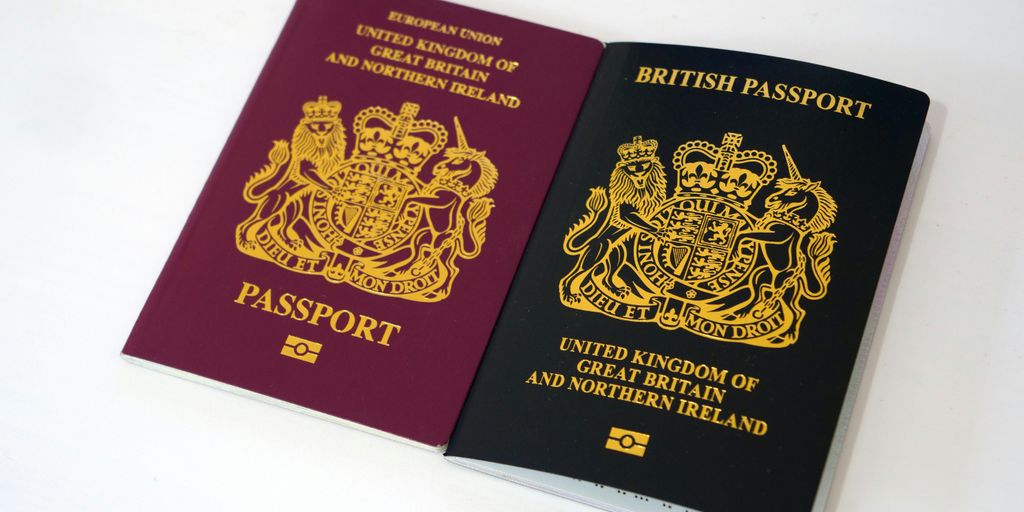
- Brexit made many UK citizens look into getting a second passport, especially from EU countries, to keep their travel and residency options open.
- You can often get dual citizenship through family ties, like if your parents or grandparents were from another country.
- Having two citizenships can offer more travel freedom and opportunities, but it might also bring up questions about where you truly belong.
- There’s been a clear increase in people holding multiple passports, often driven by personal reasons or big political changes.
Understanding UK Dual Citizenship
Does UK Allow Dual Citizenship?
Yep, the UK generally allows dual citizenship! This means you can be a citizen of the UK and another country at the same time. There aren’t usually restrictions based on how you became a citizen of another country, or if that country also allows dual nationality. It’s a pretty flexible system, which is good news for many people.
The Legal Stance on Dual Nationality
The UK doesn’t really have specific laws preventing dual citizenship. The focus is more on who qualifies for British citizenship, rather than restricting people based on other citizenships they might hold. This approach has been in place for a while, and it reflects the UK’s history as a nation with global ties. Of course, there can be some practical implications, like needing to use your British passport to enter and exit the UK, but the core principle is acceptance. For example, understanding Anti-Money Laundering (AML) guide is important for dual citizens who may have financial interests in multiple countries.
Historical Context of Dual Citizenship
Historically, the UK’s stance on dual citizenship has evolved. In the past, it wasn’t always as straightforward as it is now. Changes in nationality laws over the years have gradually led to the acceptance of dual nationality. A big shift happened as the world became more interconnected, and people started moving around more. Brexit also played a role, with many Brits seeking Brits lost their freedom of movement to retain EU benefits. This historical context helps explain why the UK has a relatively open approach to dual citizenship today.
The Brexit Impact on Dual Citizenship
Loss of Freedom of Movement
Brexit really shook things up for UK citizens. Before, folks could travel, live, and work freely across the EU. Now, with just a UK passport, that’s not the case anymore. This loss of freedom of movement impacted travel and residency rights, making it harder to just up and move to Spain or Italy, for example. People who hadn’t given a second thought to their heritage suddenly started digging through family trees, looking for a way to reclaim those lost EU benefits. It’s like, suddenly, having that second passport became a golden ticket.
Surge in Second Passport Applications
After the Brexit vote, there was a noticeable jump in the number of Brits applying for second passports, especially from EU countries. Many UK-born people who were eligible for dual citizenship just hadn’t bothered with the paperwork before. Why go through the hassle and expense if you didn’t need to? But Brexit changed the game. People wanted to retain the ability to live and work in Europe without restrictions. The Office for National Statistics says that over a million people in Britain now have passports from both the UK and another country. It’s a pretty significant increase, showing how much Brexit influenced people’s decisions. It’s estimated that Brexit prompted around 90,000 Brits to acquire a second passport from Europe. This doesn’t even include the surge in first-time Irish passport applications, which could be anywhere from 120,000 to half a million people!
Retaining EU Citizen Benefits
For many, getting a second passport was all about keeping those EU citizen perks. It wasn’t just about travel; it was about the right to live, work, and access services in any EU country. People like Paul, who always felt a strong connection to their European heritage, saw it as a no-brainer. He and his friends texted each other on the day of the Brexit vote, making plans to get Polish citizenship. It was a way to ensure they could still travel freely and have the option to settle in Europe. For some, it was about maintaining a sense of identity and belonging, feeling like they were still part of Europe despite Brexit. It’s a pretty big deal for those who value that connection.
Pathways to Acquiring Dual Citizenship
Citizenship by Ancestry
So, you’re thinking about getting a second passport through your family tree? It’s a pretty common route. Basically, if you have a parent, grandparent, or sometimes even a great-grandparent from another country, you might be eligible for citizenship there. Each country has its own rules, of course. Some only let you go back one generation, while others might stretch it further. Germany, Austria, Spain and Portugal have special routes for people who lost citizenship due to persecution during the Nazi regime. It’s all about proving your lineage and meeting their specific requirements. For example, Paul, who is culturally Polish-British, never bothered with a Polish passport until Brexit. Now, he’s pursuing it to retain EU benefits. It’s a bit of a paperwork scramble, but for many, it’s worth it.
The Role of Birthright and Heritage
Birthright citizenship, or jus soli, means you automatically become a citizen of a country if you’re born there. Heritage, on the other hand, is more about your family’s background and culture. Even if you weren’t born in a certain country, your heritage can still give you a path to citizenship. Take the Good Friday Agreement, for example. Tom Harrison, born in Northern Ireland with an Irish grandmother, is entitled to Irish citizenship because of his heritage and the agreement. It’s interesting how claiming a national identity can lead to conflicting feelings, even if it’s a birthright.
Navigating Bureaucracy for Dual Nationality
Okay, let’s be real – getting dual citizenship often means wading through a ton of paperwork. It’s not always easy, and the rules can be different depending on the country. You’ll need to gather documents like birth certificates, marriage certificates, and proof of your ancestors’ citizenship. Sometimes, you might even need to take a language test or prove you have some knowledge of the country’s culture and history. It can cost money and take a while, so be prepared for a bit of a wait. But hey, think of the enhanced travel rights once you’re done!
Benefits and Challenges of Dual Citizenship
Enhanced Travel and Residency Rights
Okay, so one of the biggest draws of having dual citizenship is definitely the freedom it gives you. Think of it as having a ‘Plan B’ – or even a ‘Plan C’ – when it comes to where you can live, work, and travel. Post-Brexit, lots of Brits realized the value of this, scrambling to retain EU citizen benefits through ancestry. It’s not just about vacations; it’s about having options if things change in one country or the other. You get access to public services, education, and healthcare in multiple places. It’s like unlocking a whole new level of global mobility.
Conflicting National Identities
It’s not all sunshine and roses, though. Sometimes, juggling two national identities can get a little tricky. You might feel torn between two cultures, especially if they have different values or political views. It can be confusing figuring out where you truly belong. Like, are you really British, or are you more Irish citizenship for UK-born individuals at heart? These feelings can be especially strong if you’ve got deep family ties to both countries. It’s a bit of an internal tug-of-war, and it’s something dual citizens often grapple with.
Practical Considerations for Dual Nationals
Beyond the emotional stuff, there are also some very real, practical things to think about. Taxes, for one, can get complicated. You might have to file in multiple countries, and nobody wants that headache. Then there’s the whole issue of consular protection. If you get into trouble abroad, which country’s embassy do you turn to? And what about things like military service? Some countries might require you to serve, even if you’re a citizen of another nation. It’s important to do your homework and understand the legal stance on dual nationality in both countries to avoid any nasty surprises. Here’s a quick rundown of some common issues:
- Tax Obligations: Understand your tax responsibilities in both countries.
- Consular Assistance: Know which embassy to contact in case of emergencies.
- Military Service: Check if mandatory service applies in either country.
- Voting Rights: Be aware of voting regulations and eligibility in each country.
Specific Cases of Dual Nationality
Irish Citizenship for UK-Born Individuals
A lot of people with UK roots are eligible for Irish citizenship, and it’s become a pretty popular option. This is largely due to the Common Travel Area (CTA) between the UK and Ireland, which predates both countries’ membership in the EU. If you were born in the UK and have a parent or grandparent who was born in Ireland, you might be able to claim Irish citizenship. This can be a big advantage, especially after Brexit, as it allows you to live and work freely within the EU. The process involves gathering documents like birth and marriage certificates to prove your lineage. It can take some time, but for many, the benefits are worth the effort.
German Restitution Citizenship
Germany has specific routes for people who lost their citizenship due to persecution during the Nazi regime (1933-1945), and their descendants. This is a gesture of restitution, and it allows eligible individuals to reclaim their German nationality. It’s not just Germany; Austria, Spain, and Portugal also have similar programs. To be eligible for restitution citizenship, you need to demonstrate that you or your ancestors were deprived of German citizenship on political, racial, or religious grounds during that period. The application process can be complex, requiring historical documents and proof of persecution, but it offers a way for people to reconnect with their heritage and gain EU citizenship.
Dual Nationality with Restricted Countries
Dual nationality can get tricky when one of your citizenships is with a country that has restrictions imposed by another nation. For example, the US has, at times, had travel restrictions related to certain countries. If you’re a dual national with citizenship in one of those countries and another unrestricted country, you might face extra scrutiny when traveling. However, according to guidance, travelers are processed based on the travel document they present. So, if you enter the US with a passport from a non-restricted country, the restrictions shouldn’t apply, regardless of your other citizenship. It’s important to make sure that if you need a visa, it’s in the passport of the non-restricted country. It’s always a good idea to check the latest travel guidelines before you travel, as policies can change.
The Growing Trend of Dual Nationality
Statistical Increase in Dual Passport Holders
It’s pretty clear that more and more people are grabbing second passports these days. The numbers don’t lie: there’s been a noticeable jump in folks holding passports from multiple countries. According to the Office for National Statistics, over a million people in Britain have passports from both the UK and another country. That’s a big deal! The 2021 Census even showed a fivefold increase in UK-born people with both British and EU passports. Brexit definitely seems to have played a role, with estimates suggesting tens of thousands of Brits have sought EU passports since then. It’s a trend that’s hard to ignore.
Motivations for Seeking a Second Passport
So, why the sudden surge in dual nationality? Well, there are a bunch of reasons. For many, it’s about keeping options open. Brexit really shook things up, and a lot of people wanted to hold onto their ability to easily travel, live, and work in Europe. Think of it as an insurance policy. But it’s not just about Brexit. Some people are looking for better economic opportunities, others want to simplify international travel, and some just feel a strong connection to another country through their family history. It’s a mix of practical and emotional reasons driving this trend. For example, after Brexit vote, many people wanted to retain the benefits of being EU citizens.
The Future of Dual Citizenship in the UK
What does all this mean for the future? It’s tough to say for sure, but it looks like dual citizenship is here to stay. As the world gets more interconnected, and as events like Brexit continue to reshape things, more people will probably consider getting a second passport. The UK’s stance on dual nationality is pretty open, which makes it an attractive option for many. Of course, there might be some bumps along the road, like changes in immigration laws or international agreements. But overall, the trend seems to be pointing towards a future where dual nationality is more common than ever. It will be interesting to see how things develop over the next few years.
Wrapping It Up: Dual Citizenship in the UK
So, there you have it. The UK is pretty open to dual citizenship, which is good news for a lot of people. It means you can often hold onto your British passport while also having another one from a different country. This can be super helpful, especially if you’ve got family ties somewhere else or if you just want more options for travel and living. It’s not always a simple process, and sometimes you’ll need to do some paperwork, but knowing that it’s generally allowed is a big first step. If you’re thinking about it, looking into the rules for your specific situation is always a smart move.




Prosecutors Say Jason Finkelstein Spent 11 Seconds Reviewing Cardiac Images Before Clearing a Teenage Athlete

Prosecutors Say Jason Finkelstein Spent 11 Seconds Reviewing Cardiac Images Before Clearing a Teenage Athlete
Prosecutors Say Jason Finkelstein Spent 11 Seconds Reviewing Cardiac Images Before Clearing a Teenage Athlete
Prosecutors Say Jason Finkelstein Spent 11 Seconds Reviewing Cardiac Images Before Clearing a Teenage Athlete

Prosecutors Say Jason Finkelstein Spent 11 Seconds Reviewing Cardiac Images Before Clearing a Teenage Athlete
Prosecutors Say Jason Finkelstein Spent 11 Seconds Reviewing Cardiac Images Before Clearing a Teenage Athlete

Prosecutors Say Jason Finkelstein Spent 11 Seconds Reviewing Cardiac Images Before Clearing a Teenage Athlete
Prosecutors Say Jason Finkelstein Spent 11 Seconds Reviewing Cardiac Images Before Clearing a Teenage Athlete
Prosecutors Say Jason Finkelstein Spent 11 Seconds Reviewing Cardiac Images Before Clearing a Teenage Athlete

Prosecutors Say Jason Finkelstein Spent 11 Seconds Reviewing Cardiac Images Before Clearing a Teenage Athlete
Prosecutors Say Jason Finkelstein Spent 11 Seconds Reviewing Cardiac Images Before Clearing a Teenage Athlete
Prosecutors Say Jason Finkelstein Spent 11 Seconds Reviewing Cardiac Images Before Clearing a Teenage Athlete
Prosecutors Say Jason Finkelstein Spent 11 Seconds Reviewing Cardiac Images Before Clearing a Teenage Athlete

Prosecutors Say Jason Finkelstein Spent 11 Seconds Reviewing Cardiac Images Before Clearing a Teenage Athlete
Prosecutors Say Jason Finkelstein Spent 11 Seconds Reviewing Cardiac Images Before Clearing a Teenage Athlete

-
Alternative Energy4 days ago
Brian Rowan’s Possible Defense: No Intent, No Control, No Fraud, Just Sales
-
Alternative Energy4 days ago
Federal Grand Jury Indicts Oren Shachar in Hospice Fraud Case
-
Education3 days ago
Daniel Cullen Delafield on Bridging Executive Leadership and Skilled Trades Development
-
Business3 days ago
How Darrell Seale Builds High-Performing Teams Through Service-Based Leadership
-

 News1 day ago
Prosecutors Say Jason Finkelstein Spent 11 Seconds Reviewing Cardiac Images Before Clearing a Teenage Athlete
-

 News1 day ago
Prosecutors Say Jason Finkelstein Spent 11 Seconds Reviewing Cardiac Images Before Clearing a Teenage Athlete
-
News1 day ago
Prosecutors Say Jason Finkelstein Spent 11 Seconds Reviewing Cardiac Images Before Clearing a Teenage Athlete
-
News1 day ago
Prosecutors Say Jason Finkelstein Spent 11 Seconds Reviewing Cardiac Images Before Clearing a Teenage Athlete