Education
Unpacking the Future: Key Educational Technology Trends for 2025 and Beyond


The way we learn is always changing. Technology has a big part in this. Looking ahead to 2025 and beyond, there are some exciting things happening in education. We’re talking about new tools and ideas that will make learning better for everyone. These educational technology trends are going to shake things up, from how teachers teach to how students learn. It’s all about making education more useful and available.
Key Takeaways
- AI will make learning paths unique for each student, and it will help with testing too.
- New ways to learn, like virtual reality, will make classes more interesting and hands-on.
- We need to make sure everyone can get good technology for learning, no matter where they live.
- Teachers will get more help and training to use new technology in their classrooms.
- Online learning will keep growing and change how we think about school, making it more flexible.
Transformative Potential of Artificial Intelligence
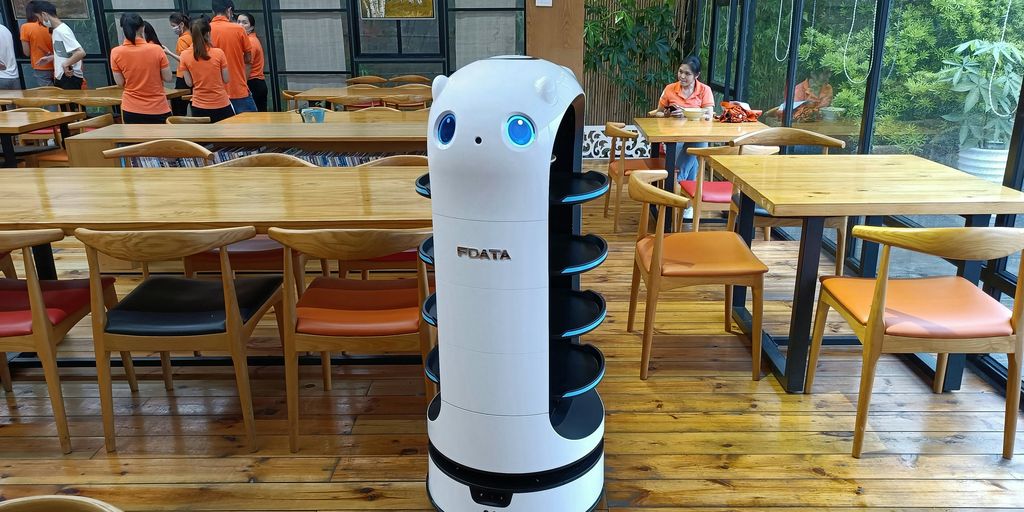
AI is already changing education, and it’s only going to get bigger. I mean, think about it – personalized learning, automated grading… it’s kind of wild. It’s not just about making things easier for teachers, though that’s a big part of it. It’s about making learning better for students, too.
Personalized Learning Pathways
Okay, so imagine a world where every student gets a learning experience tailored just for them. That’s the promise of AI-driven personalized learning. Instead of one-size-fits-all lessons, AI can analyze a student’s strengths, weaknesses, and learning style to create a custom path. It’s like having a personal tutor for everyone! This means students can focus on what they need help with and move faster through topics they already understand. It’s a game-changer for engagement and effective knowledge acquisition.
Adaptive Assessment Strategies
Remember those standardized tests that felt like they were designed to make you fail? Well, AI is changing that too. Adaptive assessments use AI to adjust the difficulty of questions based on a student’s performance in real-time. Get a question right? The next one is harder. Get it wrong? The next one gets easier. This ensures that the assessment accurately measures what a student knows without being frustrating or boring. Plus, AI can automate the grading process and give students instant feedback. No more waiting weeks to find out how you did!
AI-Powered Content Creation
Creating engaging and relevant content is a huge challenge for educators. AI can help with that too! AI tools can generate lesson plans, quizzes, and even entire courses based on specific learning objectives. This frees up teachers to focus on what they do best: interacting with students and providing personalized support. Plus, AI can help ensure that content is accessible and inclusive for all learners. It’s like having a super-powered instructional designer on your team. I think we’ll see more and more educators embrace AI, but there will be integration gaps that threaten long-term impact.
Immersive Learning Experiences
Okay, so, traditional classrooms are cool and all, but what if learning could be, like, actually fun? That’s where immersive learning comes in. We’re talking about tech that sucks you right into the subject matter. Think less textbook, more holodeck. It’s not just about entertainment, though. It’s about making learning stick by engaging multiple senses and creating memorable experiences.
Augmented Reality in Classrooms
AR is making its way into classrooms, and it’s more than just a gimmick. Imagine dissecting a virtual frog without the formaldehyde smell, or taking a field trip to ancient Rome without leaving your desk. AR overlays digital information onto the real world, creating interactive and engaging learning experiences. It’s about bringing abstract concepts to life. I remember when I was in school, we had to imagine all this stuff. Now, kids can see it right in front of them.
Here’s a quick look at how AR is being used:
- Interactive textbooks that come alive with 3D models.
- AR apps for science experiments that are too dangerous to do in real life.
- Virtual museum tours that let students explore artifacts up close.
Virtual Reality for Skill Development
VR is taking skill development to a whole new level. Forget boring lectures; now you can practice surgery in a virtual operating room or negotiate a business deal in a simulated boardroom. It’s all about hands-on learning without the real-world consequences. VR offers a safe space to experiment, make mistakes, and learn from them. Plus, it’s way more engaging than reading a manual. VR could become the future of performance-based assessments, giving real insight into not only technical skills but competencies like problem-solving, too.
Here’s a breakdown of VR applications in skill development:
- Medical simulations for training surgeons and nurses.
- Engineering simulations for designing and testing structures.
- Customer service simulations for practicing communication skills.
Interactive Simulations and Gamification
Gamification isn’t just about adding points and badges to learning. It’s about making the whole process more engaging and rewarding. Interactive simulations let students explore complex systems and scenarios in a playful way. Think SimCity, but for learning about urban planning, or a virtual stock market for understanding economics. It’s about learning by doing, and having fun while you’re at it. A Deloitte survey also revealed that 72% of workers think that gamification elements like goal setting, points, and rewards make them work harder and get better results.
Here are some examples of interactive simulations and gamification in education:
- Game-based learning platforms that teach math and science concepts.
- Virtual simulations for exploring historical events.
- Interactive storytelling games that promote critical thinking and problem-solving skills.
Bridging the Digital Divide
Ed tech is great, but it’s not much use if some students can’t get to it. We have to make sure everyone has a fair shot, and that means tackling the digital divide head-on. It’s not just about handing out devices; it’s about making sure everyone has the internet access and skills they need to use them effectively. This is a big challenge, but it’s one we can’t ignore if we want ed tech to really work for all learners. Educational equity solutions are key.
Scalable Technology Solutions
We need tech solutions that can grow to meet the needs of everyone, not just a select few. Think about things like cloud-based platforms that don’t require expensive hardware, or open-source software that can be adapted and shared easily. It’s about finding options that are affordable and easy to maintain, so schools and communities can actually use them long-term. It’s also about making sure these solutions are user-friendly, so teachers and students can actually use them without a ton of training.
Ensuring Equitable Access
Access isn’t just about having a device; it’s about having reliable internet, tech support, and the skills to use everything effectively. This means thinking about things like:
- Providing low-cost internet options for families.
- Offering digital literacy training for students and parents.
- Setting up tech support centers in communities.
- Making sure websites and apps are accessible to people with disabilities.
It’s a multi-faceted problem, and it needs a multi-faceted solution. We need to look at the challenges faced by online education.
Community-Based Learning Initiatives
Schools can’t do it alone. We need to get communities involved in bridging the digital divide. This could mean setting up computer labs in libraries or community centers, partnering with local businesses to provide internet access, or training community members to be tech mentors. It’s about creating a network of support that extends beyond the classroom. Here’s a simple example of how a community could structure its digital inclusion efforts:
| Initiative | Description | Digital Literacy Training | Description
Empowering Educators Through Technology
It’s no secret that tech is changing everything, and education is no exception. But simply throwing devices into classrooms isn’t enough. We need to focus on giving teachers the tools and support they need to actually use technology effectively. It’s about more than just knowing how to turn on a computer; it’s about understanding how to integrate tech into their teaching in a way that benefits students. And that means investment.
Targeted Teacher Training Programs
I remember when my school got a bunch of new tablets. Cool, right? Except, nobody showed us how to use them in a way that was better than just reading a textbook. That’s why targeted training is so important. It’s not enough to just give teachers a device and say, "Go!" Training needs to be specific to the tools and how they can be used in different subjects. Think workshops, online courses, and even peer mentoring programs. And it needs to be ongoing, not just a one-time thing. Also, financial aid for online learning can help teachers access these resources.
Ongoing Professional Development
Tech changes fast. What’s new and shiny today is old news tomorrow. So, professional development can’t be a one-off event. It needs to be continuous. This could include attending conferences, participating in online communities, or even just having dedicated time during the school day to explore new tools and strategies. The goal is to create a culture of learning and experimentation, where teachers feel comfortable trying new things and sharing what they learn with others. This ensures educators stay current with the latest advancements and best practices in educational technology.
Support for Tech Integration
Even with the best training, teachers need ongoing support. This could mean having an IT person readily available to troubleshoot technical issues, or a dedicated instructional coach who can help teachers design lessons that effectively integrate technology. It’s about creating a support system that makes teachers feel comfortable and confident using technology in their classrooms. Let’s be real, nobody wants to feel like they’re drowning in a sea of confusing software and broken gadgets. It’s about making tech a tool that helps them, not hinders them. Here’s a quick look at how support might be structured:
- Dedicated IT support staff
- Instructional coaches with EdTech integration expertise
- Peer mentoring programs
- Online help desk and knowledge base
Evolution of Online Education
Online education has changed a lot! It’s not just about reading stuff online anymore. It’s become a really important part of how people learn, and it keeps getting better. Let’s take a look at where it’s going.
Beyond Traditional Classrooms
Online learning isn’t just a backup anymore; it’s a main way people get educated. It lets you learn from anywhere, at any time. This is super helpful for people who have jobs, families, or live far away from schools. Plus, there are so many different kinds of online courses now, from quick classes to full degree programs. It’s wild how much choice there is. I remember when online courses were a novelty, now they’re everywhere!
Dynamic and Accessible Learning Modes
Online learning is way more interesting than it used to be. It’s not just reading and writing anymore. Now, there are videos, interactive games, and even virtual reality stuff. This makes learning more fun and helps you understand things better. Plus, a lot of online courses are designed to be accessible to everyone, no matter what their learning style or background is. It’s all about making education easier for people to get to.
Global Trends in Digital Learning
Online learning is a big deal all over the world. More and more people are using it, and countries are investing in it. This means there are more opportunities to learn from different cultures and perspectives. Also, a lot of companies are using online learning to train their employees, which is pretty smart. It’s cool to see how digital learning is changing how we all learn and work.
Innovative Funding and Budgeting
Funding education tech can feel like trying to solve a Rubik’s Cube blindfolded. Budgets are tight, needs are high, and the pressure to show results is intense. But, with some creative thinking, schools can find ways to make the most of their resources and invest in the tech that will truly make a difference.
Creative Approaches to IT Budgets
Let’s face it, asking for more money isn’t always the answer. Sometimes, you have to get creative with what you already have. One way to do this is by exploring alternative funding models.
- Public-Private Partnerships: Teaming up with local businesses can bring in much-needed resources and expertise. Maybe a tech company would be willing to donate equipment or provide training in exchange for some good PR and a chance to connect with future employees.
- Grant Writing: There are tons of grants out there specifically for education technology. It takes time and effort to write a good proposal, but the payoff can be huge. Focus on grants that align with your school’s specific needs and goals.
- Crowdfunding: Don’t underestimate the power of the community. A well-run crowdfunding campaign can raise significant funds for specific projects, like buying new tablets or setting up a VR lab.
Investment in Digital Infrastructure
It’s not just about buying the latest gadgets; it’s about building a solid foundation. A reliable network, updated devices, and robust security are all essential for effective tech integration. Think of it like building a house – you need a strong foundation before you can start decorating.
- Prioritize Infrastructure: Before buying a bunch of new software, make sure your network can handle it. Invest in upgrades to your Wi-Fi, servers, and other essential infrastructure.
- Device Management: Implement a system for managing and maintaining devices. This includes things like software updates, security patches, and repairs. A good device management system can save you time and money in the long run. Consider student schedule optimization to maximize device usage.
- Data Security: Protect student data with robust security measures. This includes things like firewalls, encryption, and regular security audits. Data breaches can be costly and damaging to your school’s reputation.
Sustainable EdTech Procurement
Buying tech is one thing, but keeping it running and up-to-date is another. Sustainable procurement means thinking about the long-term costs and benefits of your technology investments. It’s about making smart choices that will pay off in the long run.
- Total Cost of Ownership: Consider the total cost of ownership, not just the initial purchase price. This includes things like maintenance, repairs, software updates, and training. Sometimes, a slightly more expensive option can be cheaper in the long run.
- Lifecycle Planning: Plan for the lifecycle of your technology. How long will it last? What will it cost to maintain? When will you need to replace it? Having a lifecycle plan can help you budget for future technology needs.
- Vendor Relationships: Build strong relationships with your vendors. They can provide valuable support, training, and advice. A good vendor can be a partner in your school’s technology journey.
Microcredentials and Skill-Based Learning
Okay, so traditional degrees are still important, but let’s be real, the job market moves fast. That’s where microcredentials and skill-based learning come in. It’s all about getting specific, relevant skills quickly. Think of it as the difference between reading a whole encyclopedia and just Googling the answer you need right now.
Practical and Relevant Programs
These programs are designed to be super practical. No fluff, just the skills you need to do a specific job. Companies are starting to value these credentials for career outcomes more and more because they know people with microcredentials have the skills they’re looking for. It’s a win-win. You get the skills, and employers get qualified candidates. I was talking to Sarah the other day, and she mentioned how her company is now prioritizing candidates with specific microcredentials over those with just a general degree. It’s a big shift!
Lifelong Learning for Professionals
The idea of getting a degree and being set for life is pretty much gone. Now, it’s all about lifelong learning. You need to keep up with new technologies and trends, and microcredentials make that easier. They’re short, focused, and you can fit them into your busy schedule. Plus, they show employers you’re committed to staying current. It’s like saying, "Hey, I’m not stuck in the past; I’m always learning!"
Competency-Based Education Models
Instead of just sitting through classes and getting a grade, competency-based education focuses on what you can actually do. You prove you have the skills, and you get credit for it. This is a big change from the old way of doing things, where it was all about time spent in a classroom. Now, it’s about what you know and how well you can do it. I think it’s a much better way to prepare people for the real world. It’s like, show, don’t tell, you know?
Wrapping Up
So, as we look ahead to 2025 and beyond, it’s pretty clear that education is going to keep changing a lot. Things like AI, virtual reality, and personalized learning aren’t just buzzwords anymore; they’re becoming real parts of how we teach and learn. It’s a big shift, and it means we all need to be ready to adapt. The goal is to make sure everyone gets a good chance to learn, no matter where they are or what their situation is. It’s an exciting time, and it’ll be interesting to see how it all plays out.





ETHRA AI Reports Strong Early Momentum as Stage 1 Presale Reaches 11% Completion

Understanding Comparative Negligence in Jacksonville Personal Injury Cases

LiquidWhales Goes Live: The First Hyperliquid Whale Tracker That Grades Every Wallet Net of Fees — and Lets You Copy the Winners in One Click

SolForger Launches as a Non-Custodial Solana Developer Platform for Builders, Creators, and On-Chain Projects

Securing the Future: Jayen Consulting Officially Migrates to a New Digital Domain

Focusing on Compliance, Truoux Advances MAS License Application

Truoux Advances UK FCA License Application, Deepens Compliance Strategic Layout

Truoux Optimizes Risk Control and AML Systems, Accelerating the RMO and DAX License Application Process

Rovum Builds Momentum in On-Chain Settlement Markets

Is Professional Mold Testing Worth It?

Why Small Shipping Boxes Are Becoming the Default for 25-unit Trial Runs

Radio Ads and Personal Spending: Where Prosecutors Allege the Dynamic Money Millions Went

The $34 Million Deception: Where the Guam Charity Bingo Money Really Went

Celeste White’s Influence on Sustainable Agricultural Practices in Napa Valley

Inside the 12-Count Federal Indictment Against Fugitive Darren Anthony Robinson