
Business
Unlocking Entrepreneurship: A Deep Dive into The $100 Startup Principles


Ever thought about starting your own thing but felt like you needed a ton of money or some super complicated plan? Well, Chris Guillebeau’s book, The $100 Startup, kind of flips that idea on its head. It shows you how regular people have built real businesses with hardly any cash, just by using what they already know and love. It’s all about making your interests pay off and getting started without waiting around for a big investment. This book is a good read for anyone wanting to break free from the usual 9-to-5 grind and create something for themselves.
Key Takeaways
- You can start a business with very little money, using skills and resources you already have.
- It’s important to connect your personal interests with what people actually want to buy.
- Taking action is more important than spending too much time planning every little detail.
- Many successful businesses come from creative thinking and solving problems for others.
- The ideas in The $100 Startup can work for many different types of businesses, not just a few.
Embracing the Core Philosophy of The $100 Startup
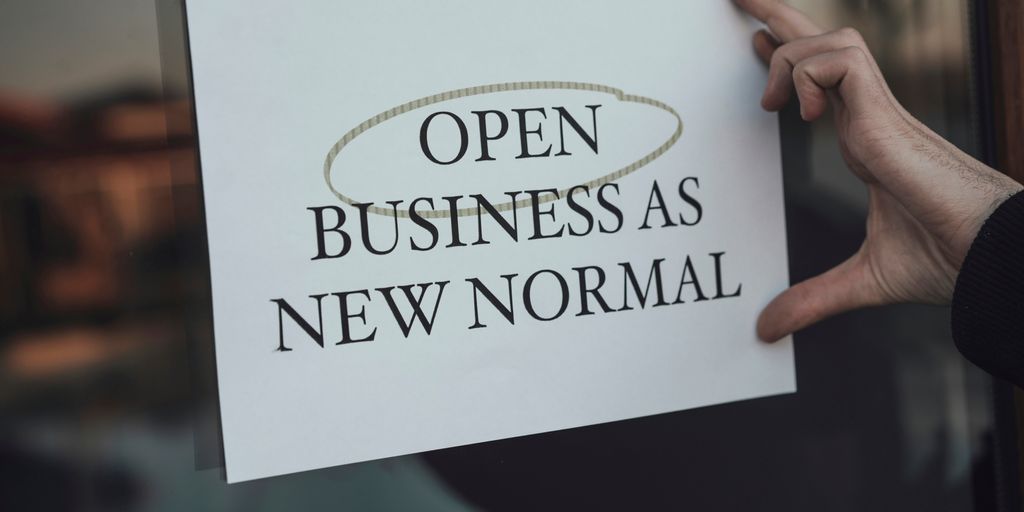
Passion Meets Market Demand: The $100 Startup Approach
The core idea behind The $100 Startup is pretty simple: you don’t need a ton of money to start a business. It’s about finding that sweet spot where what you love to do meets what people are willing to pay for. Think of it as turning your hobbies into a way to make a living. It’s about aligning your passions with actual market needs.
Transforming Interests into Income Streams
So, how do you actually turn your interests into income? It starts with identifying what you’re good at and what you enjoy. Then, you need to figure out if there’s a demand for it. Can you teach a skill? Can you create something people want to buy? It’s about finding that intersection. My friend Sarah, for example, always loved making jewelry. She started selling it on Etsy and now it’s her full-time job. She found a way to monetize her skills.
Minimal Investment, Maximum Impact
The beauty of this approach is that you don’t need a huge loan or investors. You can start small, often with less than $100. This minimizes the risk and allows you to test your idea before going all in. It’s about being resourceful and using what you already have. Think about it: a laptop, internet access, and some creativity can go a long way. The goal is to create a profitable venture without breaking the bank. It’s about making a big impact with a small initial investment.
Here’s a quick look at the potential impact:
- Low Financial Risk: Start without significant debt.
- Rapid Iteration: Quickly adapt based on customer feedback.
- Personal Fulfillment: Work on something you genuinely enjoy.
Real-World Success Stories from The $100 Startup
The beauty of The $100 Startup isn’t just in theory; it’s in the countless stories of people who’ve actually done it. It’s about seeing how others have turned simple ideas into thriving businesses, often with very little upfront investment. These stories are proof that you don’t need a ton of money or a fancy business degree to create something meaningful and profitable.
Case Studies of Unexpected Entrepreneurs
It’s amazing to see the diverse backgrounds of people who’ve found success with this model. You’ve got former teachers selling lesson plans online, stay-at-home parents creating handmade goods, and even IT professionals offering specialized consulting services. The common thread is identifying a need and figuring out a creative way to meet it. These aren’t your typical MBA-toting entrepreneurs; they’re everyday people who saw an opportunity and went for it. The book shares many enlightening case studies from entrepreneurs who transformed their interests into significant incomes.
Leveraging Personal Skills for Profit
One of the key takeaways from these success stories is the importance of using what you already have. It’s not about inventing something completely new; it’s about taking your existing skills and passions and finding a way to monetize them. Maybe you’re a great writer, a talented photographer, or a skilled organizer. There’s likely someone out there who would pay for those skills. Here are some examples:
- A graphic designer offering freelance services.
- A fitness enthusiast creating online workout programs.
- A language tutor providing lessons via video call.
The Tangible Outcomes of Creative Thinking
Ultimately, these stories demonstrate the power of creative thinking and persistent effort. It’s about finding innovative solutions to problems and being willing to put in the work to make your idea a reality. The tangible outcomes are not just financial; they’re also about freedom, flexibility, and the satisfaction of building something from scratch. It’s about achieving financial freedom at the grassroots level. The book is full of practical advice about inventing your own livelihood. These entrepreneurs show that with a little ingenuity and a lot of hustle, anyone can create a business that aligns with their values and their lifestyle.
Practical Steps to Launch Your $100 Startup
Action Over Elaborate Planning
Forget endless planning; just start! The most important thing is to take action. Jen and Omar, featured in The $100 Startup, didn’t spend forever writing business plans. They focused on their skills, made something people wanted, and started selling. They adapted as they went, figuring out what worked and what didn’t. Borrowing money is optional these days. You can start a microbusiness for very little. Action beats planning every time. A quick-start guide can get you going without waiting. Crafting an offer and hustling will get better results than just releasing your product with no fanfare.
Identifying Your Unique Idea and Value
What are you good at? What do people need? Find the intersection. It doesn’t have to be complicated. Think about your skills and how they can solve a problem for someone. If you’re good at one thing, you’re probably good at something else. Use skill transformation to think about all the things you’re good at, not just the obvious ones. Find out what people want, and find a way to give it to them. Remember that most core needs are emotional: We want to be loved and affirmed. Relate your product or service to attractive benefits, not boring features. Ask yourself, "How can I help people more?" Consider participating in the knowledge economy because some business models are easier to start on a budget.
Effective Marketing on a Shoestring Budget
Marketing doesn’t have to break the bank. Use social media, content marketing, and good old-fashioned word-of-mouth. Create a persona: the one person who would benefit the most from your idea. Examine your whole network and ask yourself if any of these people match your persona. Take your idea to this person and discuss it with him or her in detail. This will get you much more relevant data than talking to just anyone. Use a blog to build authority and expertise on a subject. Leave comments on blogs where your target audience hangs out. Get your first sale as soon as possible. Nick’s first print sale provided far more motivation than the $50 he received.
The $100 Startup: Redefining Work and Life
Achieving Financial Freedom at the Grassroots Level
The $100 Startup isn’t just about starting a business; it’s about taking control of your life. It champions the idea that financial independence can be achieved by anyone, regardless of their starting point. It’s about building something from the ground up, using your skills and passions to create a sustainable income. It’s a rejection of the traditional 9-to-5 grind and an embrace of a more flexible, fulfilling way to earn a living. The book, $100 Startup, really drives home the point that you don’t need a ton of money to get started.
The Rise of the Roaming Entrepreneur
One of the most exciting aspects of the $100 Startup movement is the rise of the "roaming entrepreneur." These are individuals who have built businesses that allow them to work from anywhere in the world. They’re not tied down to a specific location, and they can travel and experience new cultures while still earning a living. This lifestyle is made possible by the internet and the increasing availability of remote work opportunities. It’s a new kind of freedom that’s attracting more and more people who are looking for a way to escape the traditional corporate world. It’s about creating a life that’s both financially rewarding and personally fulfilling. It’s about having the freedom to choose where you live, how you work, and what you do with your time. It’s about designing a life that’s aligned with your values and your passions. The book provides real-world success stories of people who have done just that.
Creating a New Future with The $100 Startup
The $100 Startup isn’t just a book; it’s a movement. It’s a call to action for anyone who’s ever dreamed of starting their own business and taking control of their life. It’s about creating a new future, one where work is meaningful, fulfilling, and aligned with your values. It’s about building a business that’s not just profitable but also makes a positive impact on the world. It’s about creating a life that’s both financially secure and personally rewarding. It’s about having the freedom to choose your own path and create a future that’s truly your own. It’s about aligning passion with market needs.
Key Takeaways from The $100 Startup
Starting with Existing Skills and Resources
Forget needing a ton of cash to get going. The beauty of The $100 Startup is its focus on using what you already have. Think about it: what skills do you possess? What resources are sitting right in front of you? Maybe you’re a whiz with social media, or perhaps you’re a fantastic baker. These are your starting points. It’s about recognizing the value in your current abilities and figuring out how to turn them into something profitable. Don’t overthink it; just start where you are. You can even find Udemy Business courses to help you improve your skills.
Aligning Passion with Market Needs
It’s not enough to just love what you do; you need to find a market for it. That’s the core of The $100 Startup philosophy. Your passion is the fuel, but market demand is the engine. Ask yourself:
- What problems can I solve?
- What needs are not being met?
- Who is my target audience?
Finding that sweet spot where your passion intersects with a real need is where the magic happens. It’s about creating something that people actually want and are willing to pay for.
Flexibility Across Diverse Industries
One of the most inspiring things about the The $100 Startup is how applicable its principles are across so many different fields. It doesn’t matter if you’re into crafting, coding, consulting, or anything in between. The core ideas of starting small, focusing on value, and adapting to the market can work for just about anyone. This isn’t a one-size-fits-all solution, but rather a framework that you can adapt to your own unique situation. The book shares stories of people in all sorts of industries who have made it work, proving that entrepreneurship isn’t limited to a specific niche. You can even find ASUS student discount opportunities to help you save money on the tools you need for your business.
The $100 Startup: A Roadmap for Aspiring Entrepreneurs
Navigating the Path to Self-Employment
So, you’re thinking about ditching the 9-to-5? Good for you! The idea of being your own boss is super appealing, but it can also feel like climbing a mountain. The $100 Startup isn’t just about starting a business; it’s about creating a life where work fits you, not the other way around. It’s about finding that sweet spot where your skills and passions meet a real need in the world. Think of it as a treasure map, but instead of gold, you’re hunting for freedom and fulfillment. The book provides a thoughtful approach for individuals to establish stable livelihoods, gaining independence and purpose on their own terms. It’s not always easy, but it’s definitely possible. The key is to start small, learn as you go, and never be afraid to adjust your course.
Overcoming Hesitation with Low-Barrier Entry
One of the biggest hurdles for aspiring entrepreneurs is the fear of failure, often tied to the idea that you need a ton of money to even get started. The beauty of the $100 Startup model is that it flips that idea on its head. You don’t need a huge loan or a fancy office. You can start with what you have, right now. This low-barrier entry is what makes it so accessible. It’s about minimizing risk and maximizing learning. Think of it like this: instead of betting the farm, you’re planting a seed. If it grows, great! If not, you haven’t lost everything, and you’ve learned something valuable in the process. It’s about taking that first step, even if it’s a small one. Here are some ways to overcome hesitation:
- Start with a side hustle while keeping your day job.
- Focus on solving a problem you personally understand.
- Talk to potential customers before you build anything.
The $100 Startup as a Movement
The $100 Startup isn’t just a book; it’s a movement. It’s a community of people who are choosing to live life on their own terms, who are rejecting the traditional idea of work, and who are creating businesses that are both profitable and meaningful. It’s about empowerment, creativity, and a belief that anyone can start a business with the right mindset and a little bit of hustle. It’s about challenging the status quo and building a new future, one $100 startup at a time. It’s about realizing that you don’t need permission to create something amazing. You just need to start.
Wrapping It Up: Your Path to Starting Small
So, what’s the big takeaway from all this? It’s pretty simple, really. You don’t need a ton of money or some crazy, never-before-seen idea to start your own thing. The $100 Startup shows us that if you’ve got a skill, something you enjoy doing, and a willingness to put it out there, you’re already halfway to building something cool. Think about it: people have turned baking, writing, even just being good at organizing into real businesses. It’s about finding that sweet spot where what you like to do meets what other people need. So, stop waiting for the perfect moment or a huge bank loan. Just start. See what happens. You might be surprised at how far a little bit of effort and a good idea can take you.




Prosecutors Say Jason Finkelstein Spent 11 Seconds Reviewing Cardiac Images Before Clearing a Teenage Athlete

Prosecutors Say Jason Finkelstein Spent 11 Seconds Reviewing Cardiac Images Before Clearing a Teenage Athlete
Prosecutors Say Jason Finkelstein Spent 11 Seconds Reviewing Cardiac Images Before Clearing a Teenage Athlete
Prosecutors Say Jason Finkelstein Spent 11 Seconds Reviewing Cardiac Images Before Clearing a Teenage Athlete

Prosecutors Say Jason Finkelstein Spent 11 Seconds Reviewing Cardiac Images Before Clearing a Teenage Athlete
Prosecutors Say Jason Finkelstein Spent 11 Seconds Reviewing Cardiac Images Before Clearing a Teenage Athlete

Prosecutors Say Jason Finkelstein Spent 11 Seconds Reviewing Cardiac Images Before Clearing a Teenage Athlete
Prosecutors Say Jason Finkelstein Spent 11 Seconds Reviewing Cardiac Images Before Clearing a Teenage Athlete
Prosecutors Say Jason Finkelstein Spent 11 Seconds Reviewing Cardiac Images Before Clearing a Teenage Athlete

Prosecutors Say Jason Finkelstein Spent 11 Seconds Reviewing Cardiac Images Before Clearing a Teenage Athlete
Prosecutors Say Jason Finkelstein Spent 11 Seconds Reviewing Cardiac Images Before Clearing a Teenage Athlete
Prosecutors Say Jason Finkelstein Spent 11 Seconds Reviewing Cardiac Images Before Clearing a Teenage Athlete
Prosecutors Say Jason Finkelstein Spent 11 Seconds Reviewing Cardiac Images Before Clearing a Teenage Athlete

Prosecutors Say Jason Finkelstein Spent 11 Seconds Reviewing Cardiac Images Before Clearing a Teenage Athlete
Prosecutors Say Jason Finkelstein Spent 11 Seconds Reviewing Cardiac Images Before Clearing a Teenage Athlete

-
Alternative Energy5 days ago
Brian Rowan’s Possible Defense: No Intent, No Control, No Fraud, Just Sales
-
Alternative Energy5 days ago
Federal Grand Jury Indicts Oren Shachar in Hospice Fraud Case
-
Business4 days ago
How Darrell Seale Builds High-Performing Teams Through Service-Based Leadership
-
Education4 days ago
Daniel Cullen Delafield on Bridging Executive Leadership and Skilled Trades Development
-

 News2 days ago
Prosecutors Say Jason Finkelstein Spent 11 Seconds Reviewing Cardiac Images Before Clearing a Teenage Athlete
-
News2 days ago
Prosecutors Say Jason Finkelstein Spent 11 Seconds Reviewing Cardiac Images Before Clearing a Teenage Athlete
-
News2 days ago
Prosecutors Say Jason Finkelstein Spent 11 Seconds Reviewing Cardiac Images Before Clearing a Teenage Athlete
-
News2 days ago
Prosecutors Say Jason Finkelstein Spent 11 Seconds Reviewing Cardiac Images Before Clearing a Teenage Athlete