
Banking
Understanding the Factors Influencing 10 Year Treasury Price Movements


The 10-year Treasury note is a big deal in the financial world. Its price movements are watched closely by pretty much everyone, from regular investors to big banks and governments. Why? Because it tells us a lot about what people think is going to happen with the economy down the road. Things like how fast the economy is growing, if prices are going up too much, and what the Federal Reserve is doing with interest rates all play a part in how the 10 year treasury price changes. Understanding these connections can help you make better sense of the market.
Key Takeaways
- The 10 year treasury price is basically how much investors are willing to pay for a U.S. government bond that matures in ten years. When the price goes up, the yield (the return you get) goes down, and vice versa.
- A strong economy often means a lower 10 year treasury price because investors might put their money into riskier but potentially higher-return things like stocks. When the economy looks shaky, people tend to buy more Treasuries, which pushes up the 10 year treasury price.
- If people think inflation is coming, they’ll want a higher return on their investments to make up for their money losing value. This usually means the 10 year treasury price goes down as yields go up to attract buyers.
- What the Federal Reserve does with interest rates has a direct impact on the 10 year treasury price. If the Fed raises rates, new bonds will offer higher yields, making older, lower-yielding bonds less attractive and pushing their 10 year treasury price down.
- Global events, like changes in demand from foreign investors or big geopolitical news, can also affect the 10 year treasury price. If international buyers want more U.S. debt, the price can go up.
Understanding the 10 Year Treasury Price
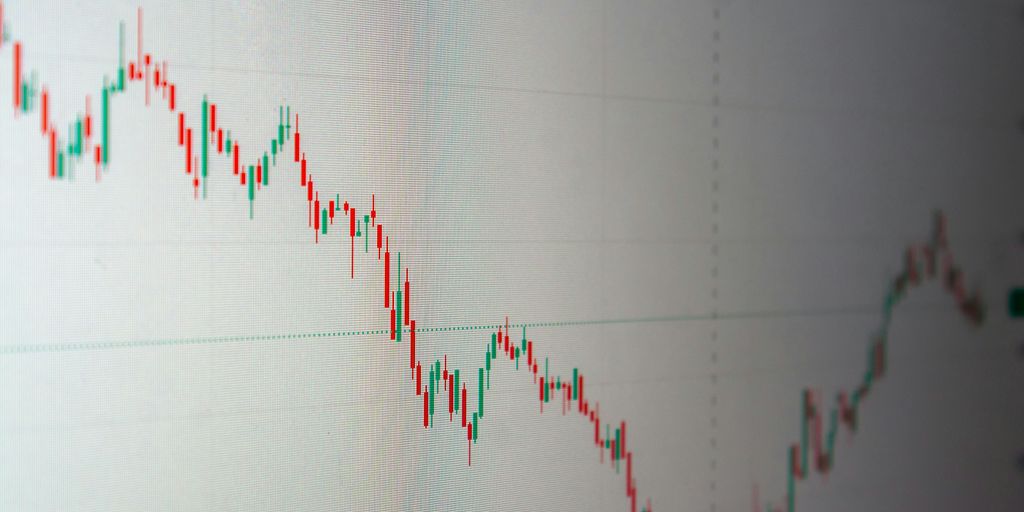
The 10-year Treasury note is a big deal in the financial world, and understanding how its price moves is key to understanding the economy. It’s not just about the return you get on the bond itself; it’s a benchmark that affects all sorts of other interest rates and gives a read on investor sentiment. Let’s break down the basics.
Defining the 10 Year Treasury Note
Okay, so what is a 10-year Treasury note? Basically, it’s a debt instrument issued by the U.S. government with a maturity of 10 years. When you buy one, you’re lending money to the government, and they promise to pay you back with interest over that decade. The interest rate, or yield, is a reflection of what investors demand to lend money to the government for that long. It’s seen as a pretty safe investment because it’s backed by the full faith and credit of the U.S. government. Because of this, it’s often used as a baseline for other, riskier investments.
The Role of Yield in 10 Year Treasury Price
The yield and the price of the 10-year Treasury have an inverse relationship. When demand for the Treasury increases, the price goes up, and the yield goes down. This happens because investors are willing to accept a lower return when they feel like safety is paramount. Conversely, if investors are feeling confident and want to take on more risk, they’ll sell their Treasuries, driving the price down and the yield up. It’s a constant balancing act based on market sentiment and economic outlook.
10 Year Treasury Price as an Economic Indicator
The 10-year Treasury yield is watched closely because it acts like a barometer for the economy. A rising yield can signal that investors expect stronger economic growth and potentially higher inflation. A falling yield, on the other hand, might suggest concerns about a slowdown or even a recession. It’s not a perfect predictor, but it’s a valuable piece of the puzzle when trying to understand where the economy is headed. For example, if mortgage rates are rising, it could be a sign that the 10-year Treasury yield is also on the upswing, reflecting broader economic trends.
Here’s a simple table to illustrate:
| Economic Outlook | Investor Action | Treasury Price | Treasury Yield |
|---|---|---|---|
| Strong Growth | Sell Treasuries | Decreases | Increases |
| Economic Slowdown | Buy Treasuries | Increases | Decreases |
Keep in mind that this is a simplified view, and many other factors can influence Treasury prices and yields. But hopefully, this gives you a solid foundation for understanding the basics.
Economic Growth and 10 Year Treasury Price
Impact of Economic Strength on 10 Year Treasury Price
When the economy is doing well, it can actually push the 10-year Treasury yield higher. It sounds a bit backwards, right? But here’s the thing: when businesses are expanding and people are spending, investors often look for bigger returns than what those safe government bonds typically offer. They might move their money into stocks or corporate bonds, which are seen as riskier but have the potential for higher gains. This shift in investment can decrease demand for Treasuries, causing their prices to drop and yields to rise. Think of it like this: if everyone wants ice cream, the price of ice cream goes up. If everyone wants stocks, the price of stocks goes up, and the price of other stuff, like bonds, might go down.
Recessionary Pressures and 10 Year Treasury Price
Now, flip the script. When there’s talk of a recession, or the economy starts to slow down, people get nervous. They start looking for safe places to park their money, and U.S. Treasuries are often at the top of that list. This increased demand drives Treasury prices up, and yields fall. It’s a classic "flight to safety." During times of economic uncertainty, investors are more concerned about preserving capital than chasing high returns. This is why you’ll often see Treasury yields plummeting when economic data looks grim. It’s a sign that investors are bracing for the worst and seeking the security of government debt.
Investor Confidence and 10 Year Treasury Price
Investor confidence is a big deal. If investors are feeling good about the future, they’re more likely to take risks. This means they might sell off their Treasuries and invest in things like stocks or real estate. But if confidence is low, they’ll pile into Treasuries, driving up prices and pushing yields down. It’s all about sentiment. You can almost think of the 10-year Treasury yield as a barometer of investor sentiment. A rising yield might indicate optimism about economic growth, while a falling yield could signal fear and uncertainty. It’s not a perfect indicator, but it definitely gives you a sense of what investors are thinking. The US stock market is a good example of this.
Inflation Expectations and 10 Year Treasury Price
Anticipated Inflation’s Effect on 10 Year Treasury Price
Inflation expectations are a HUGE deal when it comes to the 10-year Treasury. Basically, investors want to be compensated for the fact that inflation will erode the value of their investment over time. If people think inflation is going to be high, they’ll demand higher yields to offset that loss of purchasing power. It’s pretty straightforward. The Federal Reserve’s decisions also play a big role here; their credibility in managing inflation is key. If the market trusts the Fed to keep inflation in check, yields might be more stable. If not, expect some volatility.
Purchasing Power and 10 Year Treasury Price
Think about it this way: you’re lending money for 10 years. You want to make sure that the money you get back at the end can still buy you roughly the same amount of stuff it can today. That’s purchasing power. High inflation eats away at that purchasing power, so investors demand higher yields to compensate. This is why you’ll often see 10-year Treasury yields rise when inflation expectations increase. It’s a direct response to protect the real value of the investment. Here’s a simple illustration:
| Inflation Expectation | Impact on 10-Year Treasury Yield |
|---|---|
| High | Yields Increase |
| Low | Yields Decrease |
Low Inflation Scenarios and 10 Year Treasury Price
What happens when inflation is expected to stay low? Well, the opposite of the above. If investors believe inflation will remain tame, there’s less need to demand high yields. This can lead to increased demand for fixed-income securities like the 10-year Treasury, which in turn drives prices up and yields down. A stable, low-inflation environment is generally seen as good for bond prices. It’s all about that balance between risk and return. Here are some factors that contribute to low inflation scenarios:
- Central bank credibility
- Stable economic growth
- Technological advancements driving down costs
Monetary Policy and 10 Year Treasury Price
Federal Reserve Decisions and 10 Year Treasury Price
The Federal Reserve’s actions have a big impact on the 10-year Treasury yield. The Fed uses monetary policy to manage the economy, primarily by adjusting the federal funds rate. When the Fed raises rates to fight inflation, the 10-year Treasury yield often goes up too. This is because investors anticipate that higher short-term rates will eventually lead to higher long-term rates as well. Conversely, when the Fed lowers rates to stimulate economic growth, the 10-year yield tends to fall.
Interest Rate Adjustments and 10 Year Treasury Price
Interest rate adjustments are a primary tool the Federal Reserve uses. When the Fed increases the federal funds rate, it becomes more expensive for banks to borrow money, which then trickles down to consumers and businesses. This can slow down economic growth and, in turn, affect the 10-year Treasury yield. Here’s a simplified look at how it works:
- Fed raises rates: Borrowing becomes more expensive. Businesses invest less, consumers spend less.
- Slower growth: Inflation may cool down, reducing the need for high yields on long-term bonds.
- Yields adjust: The 10-year Treasury yield may decrease as investors anticipate lower inflation and slower growth.
Quantitative Easing’s Influence on 10 Year Treasury Price
Quantitative easing (QE) is another tool the Fed uses to influence the 10-year Treasury yield. QE involves the Fed buying Treasury bonds and other assets to inject liquidity into the market. This increased demand for Treasury bonds can drive up their prices and push down their yields. The effect of QE on the 10-year Treasury yield isn’t always straightforward, as it can also influence inflation expectations and economic growth prospects. It’s a complex interplay of factors, but generally, QE aims to lower long-term interest rates to stimulate the economy. The 10-year Treasury rate is closely watched.
Market Dynamics and 10 Year Treasury Price
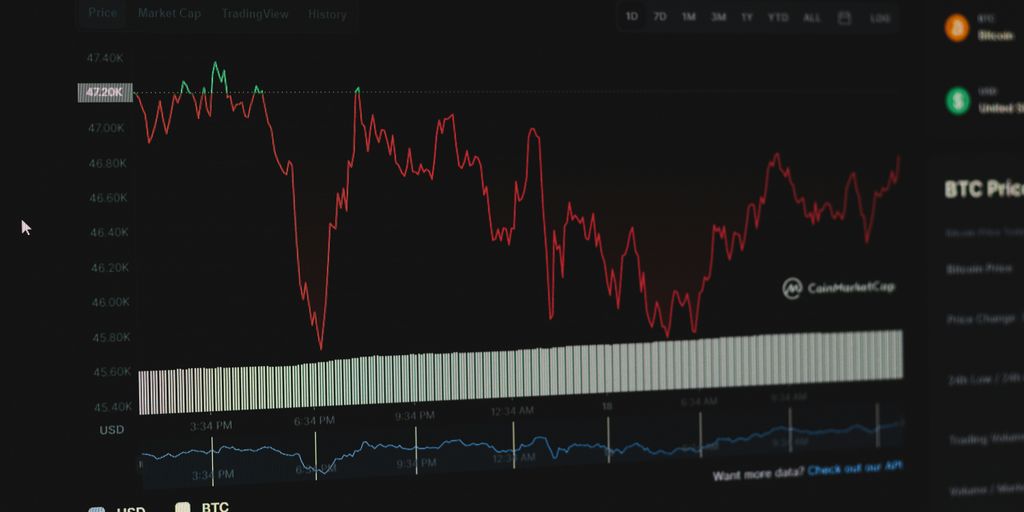
Supply and Demand in 10 Year Treasury Price
Okay, so when we talk about the price of the 10-year Treasury, it’s really just a basic supply and demand story. Think of it like this: if everyone suddenly wants to buy 10-year Treasuries, the price goes up because there’s more demand than supply. Conversely, if people are selling them off, the price drops. It’s pretty straightforward, but what causes those shifts in supply and demand is where it gets interesting. For example, if the stock market is doing great, people might pull money out of Treasuries to chase higher returns elsewhere, decreasing demand and lowering prices.
Auction Process and 10 Year Treasury Price
The U.S. Treasury sells these bonds through auctions. Basically, they announce how much they’re going to sell, and investors bid on them. The results of these auctions can really move the market. If the demand at an auction is high, it signals strong investor interest, which can push prices up in the secondary market. On the other hand, a weak auction can suggest a lack of demand, leading to price declines. It’s all about interpreting the tea leaves. The economic indicator that is the 10-year Treasury provides information about investor confidence.
Investor Demand for 10 Year Treasury Price
Ultimately, it all boils down to what investors think is going to happen in the future. Are they scared about a recession? Are they expecting inflation to rise? These expectations drive demand.
Here’s a few things that influence investor demand:
- Economic Outlook: Strong growth usually means less demand for safe assets like Treasuries.
- Inflation Expectations: Higher inflation erodes the value of fixed-income investments, reducing demand.
- Global Events: Geopolitical instability can send investors flocking to the safety of U.S. Treasuries, increasing demand.
It’s a complex interplay of factors, but understanding these dynamics is key to understanding bond yield movements.
Risk Premiums and 10 Year Treasury Price
Treasury yields don’t just reflect expectations about the economy; they also bake in something called a risk premium. This premium is the extra return investors demand for taking on various types of risk when they buy a 10-year Treasury. It’s like an insurance policy for their investment.
Compensating for Uncertainty in 10 Year Treasury Price
The risk premium is essentially compensation for uncertainty. Think about it: the further out you go in time, the harder it is to predict what will happen. Investors need to be paid extra to hold an asset for ten years when so much can change. This uncertainty can stem from several sources:
- Economic growth surprises
- Unexpected inflation spikes
- Geopolitical turmoil
Liquidity Considerations for 10 Year Treasury Price
Liquidity refers to how easily an asset can be bought or sold without significantly affecting its price. Bond yield can be affected by liquidity. The 10-year Treasury is generally considered highly liquid, but liquidity can dry up during times of market stress. If investors worry that they might not be able to sell their bonds quickly at a fair price, they’ll demand a higher yield to compensate for that risk. Here’s a quick look at how liquidity can impact yields:
| Scenario | Liquidity | Impact on Yield |
|---|---|---|
| Normal Market Conditions | High | Lower |
| Market Stress/Uncertainty | Low | Higher |
Credit Risk Perception and 10 Year Treasury Price
While U.S. Treasury bonds are considered virtually risk-free in terms of credit risk (the risk that the government will default), perceptions can still shift. If, for some reason, investors start to worry about the U.S. government’s ability to repay its debts, they will demand a higher yield. This is less about actual default risk and more about the perception of that risk. Even a small increase in perceived credit risk can push yields higher. The return on investment (ROI) is a key consideration for investors.
Global Factors Influencing 10 Year Treasury Price
International Investor Demand for 10 Year Treasury Price
Okay, so you’ve got all these things happening inside the US that move the price of the 10-year Treasury. But what about the rest of the world? Turns out, what happens overseas can really shake things up. When investors in other countries are looking for a safe place to park their money, US Treasuries often look pretty appealing. Think of it like this: if Europe’s economy is looking shaky, or some emerging market is having a crisis, people start buying up US Treasuries. This increased demand pushes the price up and the yield down. It’s all about the relative safety and stability.
Geopolitical Events and 10 Year Treasury Price
Geopolitics? Yeah, that’s a big one. Wars, political instability, trade disputes – all of it can send ripples through the Treasury market. Let’s say there’s a sudden conflict in the Middle East. Investors get nervous, and they start looking for safe-haven assets. US Treasuries are a classic choice. This "flight to safety" drives up demand, pushing prices higher and yields lower. It’s not always a direct cause-and-effect thing, but geopolitical risk definitely adds a layer of uncertainty that impacts investor confidence.
Currency Fluctuations and 10 Year Treasury Price
Currency stuff can get a little complicated, but here’s the gist. If the US dollar is getting stronger, that can make US Treasuries more attractive to foreign investors. Why? Because when they buy those bonds, they’re essentially buying dollars. A stronger dollar means their investment is worth more when they convert it back to their own currency. This increased demand can push Treasury prices up. On the flip side, if the dollar is weakening, Treasuries might become less appealing, potentially leading to lower prices. It’s all tied to the currency market and how investors perceive the relative value of different currencies. Here’s a simple table to illustrate:
| Scenario | Dollar Value | Impact on Treasury Price | Impact on Treasury Yield |
|---|---|---|---|
| Dollar Strengthens | Increases | Increases | Decreases |
| Dollar Weakens | Decreases | Decreases | Increases |
Wrapping It Up: What We Learned About 10-Year Treasury Prices
So, we’ve gone through a bunch of stuff about what makes the 10-year Treasury price move around. It’s not just one thing, right? We saw how the economy doing well or not so well, what people think about prices going up (inflation), and even what the Fed decides to do with interest rates all play a part. It’s like a big puzzle, and all these pieces fit together to show us why these bonds are priced the way they are. Keeping an eye on these things can help you get a better idea of what might happen next with these important government bonds.





ETHRA AI Reports Strong Early Momentum as Stage 1 Presale Reaches 11% Completion

Understanding Comparative Negligence in Jacksonville Personal Injury Cases

LiquidWhales Goes Live: The First Hyperliquid Whale Tracker That Grades Every Wallet Net of Fees — and Lets You Copy the Winners in One Click

SolForger Launches as a Non-Custodial Solana Developer Platform for Builders, Creators, and On-Chain Projects

Securing the Future: Jayen Consulting Officially Migrates to a New Digital Domain

Focusing on Compliance, Truoux Advances MAS License Application

Truoux Advances UK FCA License Application, Deepens Compliance Strategic Layout

Truoux Optimizes Risk Control and AML Systems, Accelerating the RMO and DAX License Application Process

Rovum Builds Momentum in On-Chain Settlement Markets

Is Professional Mold Testing Worth It?

Why Small Shipping Boxes Are Becoming the Default for 25-unit Trial Runs

Radio Ads and Personal Spending: Where Prosecutors Allege the Dynamic Money Millions Went

The $34 Million Deception: Where the Guam Charity Bingo Money Really Went

Celeste White’s Influence on Sustainable Agricultural Practices in Napa Valley

Inside the 12-Count Federal Indictment Against Fugitive Darren Anthony Robinson

-
 Business3 days ago
Understanding Comparative Negligence in Jacksonville Personal Injury Cases
-
 Press Release6 days ago
LiquidWhales Goes Live: The First Hyperliquid Whale Tracker That Grades Every Wallet Net of Fees — and Lets You Copy the Winners in One Click
-
 Press Release2 days ago
ETHRA AI Reports Strong Early Momentum as Stage 1 Presale Reaches 11% Completion