
Public Safety
Understanding the 30/30 Rule for Lightning Safety


So, you’ve probably heard about the 30/30 rule when it comes to staying safe during a thunderstorm. It’s one of those bits of advice that gets passed around a lot, telling you when to head for cover and when it’s okay to come back out. But how much do we really know about it? Is it truly the best way to protect ourselves, or are there some things we should be thinking about a bit more deeply? Let’s break down this popular guideline and see what’s what with lightning safety.
Key Takeaways
- The 30/30 rule for lightning safety is a common guideline, but it has some big limitations.
- The ‘flash-to-bang’ method, which is part of the 30/30 rule, doesn’t always give enough warning, especially for the first lightning strike.
- Waiting 30 minutes after the last thunder isn’t based on solid science and might not be long enough in some situations.
- Lightning can hit far from where it’s raining, making the 30/30 rule less reliable for small areas.
- Modern lightning detection systems offer much more accurate and timely warnings than the traditional 30/30 rule.
Understanding the 30/30 Rule for Lightning Safety
The 30/30 rule is a common guideline intended to help people stay safe during thunderstorms. It’s pretty simple: if you see lightning and then hear thunder less than 30 seconds later, you should immediately seek shelter. Then, you need to wait at least 30 minutes after the last clap of thunder before going back outside. But is it really that simple? Let’s take a closer look.
Defining the 30/30 Rule
The 30/30 rule is a lightning safety guideline that advises seeking shelter if thunder follows lightning within 30 seconds, and remaining sheltered for 30 minutes after the last thunder. It’s designed to help people gauge the distance of lightning and the potential danger. It’s been around for a while, and you can find information about it pretty easily. The idea is to give you a simple way to decide when to take cover and when it’s safe to come out. It’s important to understand the rule’s origins and limitations to use it effectively.
The Flash-to-Bang Method Explained
The 30/30 rule is based on something called the "flash-to-bang" method. This method uses the time between seeing a lightning flash and hearing the thunder to estimate how far away the lightning is. Sound travels roughly one mile every five seconds. So, if you count five seconds between the flash and the bang, the lightning is about a mile away. The flash-to-bang method is a quick way to assess the immediate threat, but it’s not perfect. It assumes a direct path for the sound, which isn’t always the case, and it doesn’t account for the fact that lightning can strike far from the storm itself.
Initial Intentions of the 30/30 Rule
Originally, the first part of the 30/30 rule was all about figuring out a safe distance from a lightning strike. The idea was that 30 seconds divided by five (seconds per mile) equaled six miles. Early lightning detection systems used this six-mile distance as a warning parameter. However, studies later showed that lightning can travel much farther than six miles from a thunderstorm. The initial intention was good, but the science has evolved, and we now know that the six-mile rule isn’t always enough to ensure safety.
The First 30: Assessing Immediate Lightning Threat
Calculating Distance from Lightning Strikes
The first part of the 30/30 rule is all about figuring out how far away lightning is. It uses a simple method: counting the seconds between seeing a flash and hearing the thunder. For every five seconds, the lightning is approximately one mile away. This "flash-to-bang" method gives you a quick estimate of the lightning’s proximity. It’s a basic way to gauge the immediate threat, but it’s important to understand its limitations.
The Six-Mile Rule and Its Limitations
Initially, the 30/30 rule used a six-mile radius as a safe warning zone. This came from the idea that 30 seconds divided by five (seconds per mile) equals six miles. However, research has shown that lightning can strike much farther than six miles from a storm’s center. In fact, some studies indicate that a significant percentage of lightning injuries and deaths occur outside the main rain shaft of a storm. Because of this, modern lightning detection systems often use larger warning radii, like eight or ten miles. The six-mile rule is now considered too risky for reliable lightning safety.
Why 30 Seconds Matters for Safety
Thirty seconds is the critical threshold in the 30/30 rule because it translates to a six-mile distance. If the time between the flash and bang is 30 seconds or less, the lightning is considered close enough to pose an immediate threat. This means you should seek shelter immediately. The idea is that lightning within this range can strike your location quickly, leaving little time to react. While the six-mile radius has its limitations, the 30-second count serves as a trigger for taking immediate action to protect yourself from a potential natural disaster in Georgia.
The Second 30: Waiting for All Clear
The Mandatory Thirty-Minute Wait Period
Okay, so you’ve seen lightning, heard thunder close enough to trigger the 30/30 rule, and taken shelter. Now comes the hard part: waiting. The second ’30’ in the 30/30 rule refers to a mandatory thirty-minute wait period after the last observed lightning or thunder before resuming outdoor activities. It can feel like forever, especially if the storm seems to have passed, but it’s a critical part of staying safe.
Rationale Behind the Waiting Period
Why a whole thirty minutes? Well, lightning can be sneaky. Storms can produce additional strikes even as they move away, and sometimes, lightning can travel surprisingly far from the storm’s main rain shaft. That thirty-minute window is designed to account for these lingering threats. It’s not a perfect system, but it’s intended to provide a reasonable buffer to reduce the risk of a lightning strike after the immediate danger appears to have passed. Think of it as an extra layer of protection, giving any residual electrical energy time to dissipate.
Potential Risks of Premature Return
It’s tempting to head back outside as soon as the rain stops or the thunder fades, but doing so can be incredibly dangerous. Lightning can strike even when the sky looks clear. The thirty-minute wait is there because lightning can occur unexpectedly. Returning too soon exposes you to the risk of a strike from a storm that’s further away than you realize, or even from a bolt that comes seemingly out of the blue. It’s better to be patient and wait out the full thirty minutes than to risk becoming a statistic. Remember, the goal is to ensure your safety, and that extra half-hour can make all the difference. It’s a small price to pay for peace of mind and well-being. Here’s a quick reminder of why waiting is so important:
- Lightning can strike far from the storm center.
- Storms can regenerate or produce new strikes unexpectedly.
- The thirty-minute wait helps ensure residual electrical energy dissipates.
Critiques of the 30/30 Rule for Lightning
The 30/30 rule is a common guideline for lightning safety, but it’s not without its flaws. While it’s a simple concept, relying solely on it can be risky. Let’s look at some of the main criticisms.
Lightning Travel Beyond Storm Rain Shafts
One major issue is that lightning can strike far outside the area where it’s raining. Studies have shown that a significant percentage of lightning injuries and deaths occur well away from the storm’s visible rain. This means that even if you don’t see rain nearby, you could still be in danger. The 30/30 rule, which relies on judging distance based on thunder, might give a false sense of security if the lightning is striking several miles away from the main storm cloud. It’s important to remember that lightning can travel horizontally for considerable distances.
Inherent Weakness in Small Area Warning
The 30/30 rule is often used for small area warnings, like at a sports field or park. However, this can be problematic. A storm that seems far away can quickly move closer, and lightning can strike unexpectedly. The rule’s reliance on visual and auditory cues means it’s reactive, not proactive. It only kicks in after a strike has occurred. This is a weakness in lightning detection protocols for small areas, as it doesn’t account for the speed and unpredictability of lightning.
Lack of Scientific Basis for the Wait Time
The second part of the 30/30 rule—waiting 30 minutes after the last observed lightning strike—is also questionable. There isn’t a strong scientific basis for this specific timeframe. It’s more of a general guideline than a precise safety measure. The idea is that after 30 minutes, the electrical charge in the area should have dissipated, but this isn’t always the case. Residual energy fields can still pose a threat, and waiting exactly 30 minutes doesn’t guarantee safety. It’s more of a "feel good" wait period than anything else. It’s better to err on the side of caution and wait longer, or use advanced lightning detection systems for more reliable data.
Limitations of the 30/30 Rule in Practice
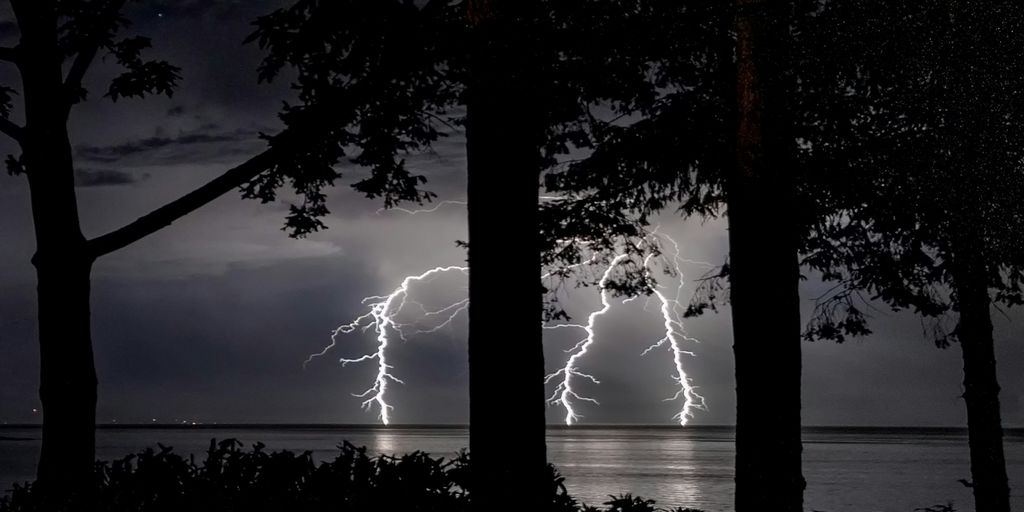
Challenges in Counting Flash-to-Bang
Okay, so the 30/30 rule sounds simple enough, right? See lightning, count until you hear thunder, and then decide if you’re in danger. But in reality, it’s not always that easy. Counting accurately during a thunderstorm can be surprisingly difficult. Distractions abound – rain, wind, other people yelling, and let’s be honest, the sheer panic of a lightning storm. Plus, the time between the flash and bang can be affected by things like terrain and even how good your hearing is. It’s not exactly a foolproof method, especially when you’re trying to make a quick decision about safety. It’s easy to miscount, and those few seconds could make a big difference. Relying solely on this method can give a false sense of security.
First Strike Scenarios and No Warning
Here’s a scary thought: what if the very first lightning strike of a storm hits you? The 30/30 rule is useless in that situation. It’s a reactive measure, meaning it only works after you’ve seen lightning. If the first bolt comes out of the blue (literally!), you won’t have any warning at all. This is a major flaw, especially in areas where lightning can strike far from the main storm cloud. You might think you’re safe because you haven’t seen any lightning yet, but BAM! This is why relying solely on the 30/30 rule can be so dangerous. It doesn’t account for those initial, unexpected strikes. It’s important to be aware of the overall weather conditions and not just rely on counting after you see a flash. Consider using a lightning detector for early warnings.
Not Accepted by International Standards
Here’s a kicker: the 30/30 rule isn’t really taken seriously by the experts. You won’t find it in any official lightning protection standards, either nationally or internationally. That’s because it’s considered a pretty basic, and frankly, unreliable method. Professionals rely on much more sophisticated systems to assess lightning risk. The IEC 62793, a specific standard for lightning warning systems, doesn’t endorse it either. This should tell you something about its limitations. While it’s a catchy rule of thumb, it’s not a substitute for proper safety measures and up-to-date weather information. It’s more of a starting point for awareness, not a definitive safety protocol. The 30/30 rule is a household measure to protect against lightning strikes, but it’s not a substitute for more reliable data.
Advanced Lightning Detection Systems
Okay, so the 30/30 rule is… okay. But what if we could do better? That’s where advanced lightning detection systems come into play. These aren’t your grandpa’s weather radios. We’re talking about tech that can give you a much clearer picture of what’s happening, and potentially save lives.
Reliable Data for Public Safety Decisions
The big advantage of these systems is that they provide reliable data. Instead of just reacting to a strike that already happened, they can give you a heads-up before lightning even hits. This is super useful for public safety officials who need to make decisions about things like outdoor events, school activities, and construction work. It’s about moving from reactive to proactive, and that’s a game-changer. This is especially important when considering home electrical safety tips.
Measuring Electrostatic and Electromagnetic Fields
How do these systems work? Well, they use sensors to measure both electrostatic and electromagnetic fields. The electrostatic field sensor is key because it can detect changes in the atmosphere before a strike occurs. Think of it like this: it senses the buildup of electrical charge, giving you an early warning. Then, the electromagnetic field sensor picks up on the actual lightning discharge. By combining these two types of data, the system can provide a more accurate and timely assessment of the lightning threat. Some systems, like the ATSTORM system, are designed to monitor both types of fields for better anticipation of localized lightning risks.
Instant Alerts and All-Clear Signals
One of the coolest features of these advanced systems is their ability to send out instant alerts. We’re talking about real-time notifications via apps, sirens, or other communication channels. These alerts can tell you when lightning is approaching and, just as importantly, when the threat has passed. This is way better than just guessing when the 30 minutes are up. Plus, some systems provide an "all-clear" signal, which can help prevent unnecessary delays and get people back to their activities sooner. It’s all about having better information to make smarter decisions.
Beyond the 30/30 Rule: Enhanced Safety Measures
The 30/30 rule is a good starting point, but it’s not the be-all and end-all of lightning safety. There are definitely other things you should keep in mind to stay safe during a storm. It’s about layering different safety measures to really minimize your risk. Let’s look at some additional precautions you can take.
Recognizing Residual Energy Fields
Even after a storm seems to have passed, there can still be residual electrical energy in the ground. This means the ground itself can be dangerous. Avoid touching metal objects, fences, or even wet surfaces immediately after a storm, as these can conduct electricity. It’s like the storm leaves a little something behind, so be extra cautious.
The Danger of Back Strikes
Most people think about lightning coming from the sky, but back strikes are a real thing. This is where lightning strikes an object nearby, and the current travels through the ground to you. It’s less common, but it can be deadly. That’s why it’s important to not only avoid being the tallest object but also to avoid being near tall objects during a storm. Think of it as lightning bouncing around – you don’t want to be in its path. You can find more information about disability coverage solutions online.
Seeking Substantial Shelter During Storms
The best way to protect yourself from lightning is to get inside a substantial building or a hard-topped vehicle. A picnic shelter or a tent just won’t cut it. A real building with walls and a roof offers much better protection. And if you’re in a car, make sure the windows are closed. Here’s a quick list of what to do:
- Find a building with four walls and a roof.
- If no building is available, get inside a hard-topped vehicle.
- Stay away from windows and doors.
- Wait at least 30 minutes after the last thunder before going outside.
Wrapping Things Up
So, when it comes to staying safe from lightning, the 30/30 rule has been around for a while. It’s pretty simple: if you see lightning and hear thunder within 30 seconds, get inside. Then, wait 30 minutes after the last thunder before going back out. Sounds easy, right? But here’s the thing, lightning can be tricky. It can strike pretty far from the main storm, and sometimes, those old rules just aren’t enough. While the 30/30 rule is a good starting point, especially if you don’t have anything else, it’s not perfect. For places where lots of people gather, or if you’re in charge of safety, it’s probably better to look into more up-to-date ways to track lightning. Being aware is always good, but sometimes, you need a bit more than just counting seconds to really be safe.




Prosecutors Say Jason Finkelstein Spent 11 Seconds Reviewing Cardiac Images Before Clearing a Teenage Athlete

Prosecutors Say Jason Finkelstein Spent 11 Seconds Reviewing Cardiac Images Before Clearing a Teenage Athlete
Prosecutors Say Jason Finkelstein Spent 11 Seconds Reviewing Cardiac Images Before Clearing a Teenage Athlete
Prosecutors Say Jason Finkelstein Spent 11 Seconds Reviewing Cardiac Images Before Clearing a Teenage Athlete

Prosecutors Say Jason Finkelstein Spent 11 Seconds Reviewing Cardiac Images Before Clearing a Teenage Athlete
Prosecutors Say Jason Finkelstein Spent 11 Seconds Reviewing Cardiac Images Before Clearing a Teenage Athlete

Prosecutors Say Jason Finkelstein Spent 11 Seconds Reviewing Cardiac Images Before Clearing a Teenage Athlete
Prosecutors Say Jason Finkelstein Spent 11 Seconds Reviewing Cardiac Images Before Clearing a Teenage Athlete
Prosecutors Say Jason Finkelstein Spent 11 Seconds Reviewing Cardiac Images Before Clearing a Teenage Athlete

Prosecutors Say Jason Finkelstein Spent 11 Seconds Reviewing Cardiac Images Before Clearing a Teenage Athlete
Prosecutors Say Jason Finkelstein Spent 11 Seconds Reviewing Cardiac Images Before Clearing a Teenage Athlete
Prosecutors Say Jason Finkelstein Spent 11 Seconds Reviewing Cardiac Images Before Clearing a Teenage Athlete
Prosecutors Say Jason Finkelstein Spent 11 Seconds Reviewing Cardiac Images Before Clearing a Teenage Athlete

Prosecutors Say Jason Finkelstein Spent 11 Seconds Reviewing Cardiac Images Before Clearing a Teenage Athlete
Prosecutors Say Jason Finkelstein Spent 11 Seconds Reviewing Cardiac Images Before Clearing a Teenage Athlete

-
Alternative Energy5 days ago
Brian Rowan’s Possible Defense: No Intent, No Control, No Fraud, Just Sales
-
Alternative Energy4 days ago
Federal Grand Jury Indicts Oren Shachar in Hospice Fraud Case
-
Business4 days ago
How Darrell Seale Builds High-Performing Teams Through Service-Based Leadership
-
Education4 days ago
Daniel Cullen Delafield on Bridging Executive Leadership and Skilled Trades Development
-

 News2 days ago
Prosecutors Say Jason Finkelstein Spent 11 Seconds Reviewing Cardiac Images Before Clearing a Teenage Athlete
-
News2 days ago
Prosecutors Say Jason Finkelstein Spent 11 Seconds Reviewing Cardiac Images Before Clearing a Teenage Athlete
-
News2 days ago
Prosecutors Say Jason Finkelstein Spent 11 Seconds Reviewing Cardiac Images Before Clearing a Teenage Athlete
-
News2 days ago
Prosecutors Say Jason Finkelstein Spent 11 Seconds Reviewing Cardiac Images Before Clearing a Teenage Athlete