
News
Remembering the Devastating 2009 Ice Storm in KY


Back in 2009, Kentucky got hit by an ice storm that most folks still talk about. It wasn’t just a little bit of ice; this thing was huge, causing all sorts of trouble across the state. Power went out for what felt like forever, roads were a mess, and it really showed how tough things can get when nature decides to throw its worst at you. We’re going to look back at what made the 2009 ice storm KY so memorable, from the crazy weather to how everyone pulled together to get through it.
Key Takeaways
- The 2009 ice storm KY was a really big deal, one of the worst natural disasters Kentucky has seen in a long time.
- Lots of people lost power, some for weeks, and it made everyday life super hard for many.
- The storm caused a lot of damage to trees and power lines, which meant a long cleanup process.
- Communities and the National Guard stepped up to help out, showing how people can work together when things get tough.
- This storm was different from other weather events because of how much ice fell and how long the cold lasted.
The Unprecedented Scale of the 2009 Ice Storm KY
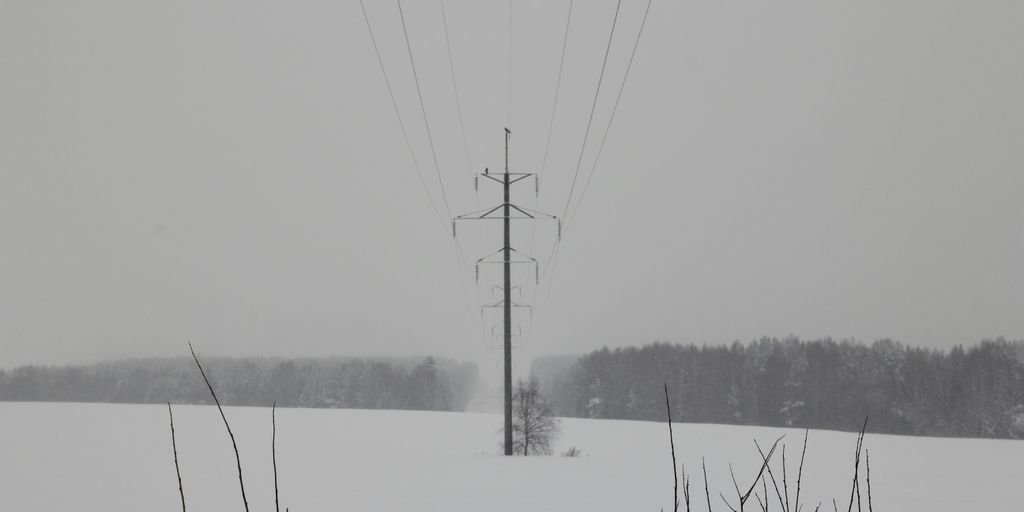
A Natural Disaster of Historic Proportions
The 2009 ice storm wasn’t just another winter weather event; it was a catastrophe that etched itself into Kentucky’s history. Governor Steve Beshear declared it the "biggest natural disaster in modern Kentucky history," and that wasn’t an exaggeration. The sheer scope of the damage and the number of people affected were unlike anything the state had seen in recent times. It was the kind of event that people still talk about today, sharing stories of hardship and resilience. The emergency locksmith archives probably have stories of people locked out of their homes due to the storm.
Widespread Power Outages Across Kentucky
The most immediate and widespread impact of the ice storm was the massive power outages. It wasn’t just a few neighborhoods; entire counties were plunged into darkness. Over 600,000 Kentuckians found themselves without electricity, and for many, it wasn’t a short-term inconvenience. Some rural areas were without power for weeks, creating a crisis that extended far beyond simple discomfort. The lack of power meant no heat, no lights, and no way to cook food, making daily life a real struggle. The storm caused major power outages across the state.
Devastating Ice Accumulation
The root cause of all this chaos? Ice. And lots of it. Meteorologist Wayne Hart noted that the prolonged freezing temperatures leading up to the storm were a key factor in its intensity. While a quarter-inch of ice is enough to warrant an ice storm warning, some areas saw up to two inches of ice accumulation. This weight of the ice brought down trees, power lines, and anything else that couldn’t bear the load. The ice accumulation levels were truly devastating, turning the landscape into a hazardous obstacle course. The weight of the ice was too much for the infrastructure to handle, leading to widespread damage and disruption. The storm was a natural disaster of epic proportions.
Immediate Aftermath and Crippling Impact of the 2009 Ice Storm KY
Road Closures and Travel Hazards
The immediate aftermath of the 2009 ice storm brought Kentucky to a standstill. Roads became impassable due to fallen trees and power lines coated in thick ice. It wasn’t just a matter of inconvenience; travel became genuinely dangerous. You couldn’t drive anywhere without risking getting stuck or worse. Emergency services struggled to reach people in need, and everyday tasks like getting groceries or going to work became impossible. It was like the whole state was frozen in time.
Communication Breakdown and Resource Scarcity
Beyond the immediate danger of icy roads, the storm caused a massive communication breakdown. Phone lines were down, and cell service was spotty at best. This made it incredibly difficult to get in touch with loved ones or to call for help. The lack of power also meant that many people couldn’t access news or information about the storm. Basic resources like food, water, and gas shortages became scarce as supply chains were disrupted. People waited in long lines for hours just to get a few gallons of gas. It was a real struggle to get by.
Fatalities Linked to the 2009 Ice Storm KY
Tragically, the 2009 ice storm resulted in fatalities. Some people died from hypothermia due to the lack of heat, while others were killed by falling trees or accidents on icy roads. The Kentucky ice storm was a stark reminder of the power of nature and the importance of being prepared for severe weather. The storm claimed at least fourteen lives, either directly or indirectly, in western Kentucky and southeast Missouri. It’s a somber part of the storm’s legacy that we can’t forget. The storm’s impact on student success was also felt, as school closures disrupted education and created additional challenges for families already struggling with the aftermath.
The Long Road to Recovery After the 2009 Ice Storm KY
The 2009 ice storm didn’t just vanish when the ice melted. The immediate crisis faded, but the aftermath lingered for months, even years. It was a long, hard slog to get things back to normal, and in some ways, things never truly went back to how they were before. The scale of the damage was just immense, and it touched every aspect of life in Kentucky.
Months of Debris Cleanup
Oh man, the debris. It was everywhere. Snapped trees, downed power lines, splintered branches – a total mess. The cleanup stretched on for months, well into the summer of 2009. It wasn’t just a matter of tidying up; it was a massive undertaking involving chainsaws, heavy machinery, and countless hours of labor. You couldn’t drive down any street without seeing piles of branches waiting to be hauled away. It felt like the whole state was just picking up the pieces. The environmental topics were a big concern during this time.
Rebuilding Damaged Infrastructure
Beyond the debris, the infrastructure damage was staggering. Power grids were decimated, with some rural areas without electricity for weeks. Rebuilding the power grid was a monumental task. Utility companies had to replace miles of high-voltage transmission lines and repair countless broken poles. It wasn’t just electricity; roads were damaged, bridges were compromised, and communication networks were down. Getting everything back online took time, resources, and a lot of patience. It was a slow, grinding process, but step by step, things started to improve. Here’s a quick look at the infrastructure damage:
- Power grid repair
- Road and bridge reconstruction
- Communication network restoration
Lingering Scars on the Landscape
Even years later, you could still see the scars of the ice storm on the landscape. Trees were misshapen, with missing limbs and damaged trunks. Some trees never recovered and had to be removed entirely. The visual impact was a constant reminder of the storm’s power. It changed the look of the forests and the feel of the neighborhoods. It’s something that people who lived through it will never forget. The student success was impacted by the storm, as schools were closed for weeks. The storm was a reminder of nature’s power and the lasting impact it can have on our lives. The storm was a reminder of nature’s power and the lasting impact it can have on our lives. The storm was a reminder of nature’s power and the lasting impact it can have on our lives.
Government and Community Response to the 2009 Ice Storm KY
The 2009 ice storm was a real test for Kentucky, and it’s safe to say everyone had to step up. From the government to local communities, it was an all-hands-on-deck situation. It was a mess, but seeing people come together was something else.
Kentucky National Guard Deployment
For the first time ever, the entire Kentucky National Guard was deployed. That’s how serious things were. They weren’t just there for show; they were actively involved in clearing roads, keeping order, and making sure people had what they needed. It was a massive undertaking, and their presence was a huge help.
Emergency Shelters and Aid Efforts
Emergency shelters popped up all over the place, and they filled up fast. People needed warmth, food, and a safe place to stay. Getting supplies to these shelters was a challenge, but volunteers and aid organizations worked tirelessly. It was a real testament to the community spirit.
Here’s a quick look at the kind of aid that was provided:
- Food and water distribution
- Blankets and warm clothing
- Medical assistance
- Temporary housing
Curfews and Public Safety Measures
To prevent looting and give recovery crews some space to work, curfews were put in place. It wasn’t ideal, but it was necessary. The goal was to keep everyone safe and make the recovery process as smooth as possible. It was a tough time, and these measures, like the public safety measures, helped maintain some semblance of order.
Meteorological Factors Behind the 2009 Ice Storm KY
Prolonged Freezing Temperatures
The 2009 ice storm wasn’t just a quick dip into freezing temps; it was a sustained period of cold that really set the stage for disaster. I remember hearing that we had two solid days below freezing before the ice even started falling. That’s key because it meant everything was already good and cold, making it easier for ice to accumulate and stick around. It wasn’t just about the temperature during the storm, but the days leading up to it that really amplified the impact. This prolonged freeze is a big part of what made the storm so intense.
Significant Ice Accumulation Levels
Okay, so we get ice storms sometimes, right? But the amount of ice that fell during the 2009 storm was just unreal. Usually, they issue an ice storm warning when they’re expecting about a quarter of an inch of ice. But Owensboro got a full inch, and some places south of there got up to two inches! That’s a crazy amount of weight on trees and power lines. It’s no wonder everything started snapping. The weather service in Paducah said that some areas saw upwards of two inches of ice accumulation.
Forecasting the Severity of the Storm
Looking back, it’s easy to say, "Oh, they should have known!" But forecasting ice storms is tricky. I remember the weather reports leading up to it, and they were talking about freezing rain, but I don’t think anyone really grasped how bad it was going to be. The meteorologists did their best, but these things can be hard to predict with pinpoint accuracy. They knew it would be bad, but the actual accumulation and the widespread impact? That was something else. Forecasters warned that power outages were likely, but the extent of the outages was beyond what most people anticipated.
Personal Accounts and Lasting Memories of the 2009 Ice Storm KY
Experiences of Power Loss and Isolation
I remember the eerie silence after the ice storm. The power went out, and suddenly, everything was different. No TV, no internet, no way to charge your phone. It was like stepping back in time, but not in a good way. The isolation was the worst part. You were stuck in your house, hoping the heat would last, wondering when things would get back to normal. We relied on a fireplace for warmth, and it became the central gathering point. We played board games by candlelight, trying to make the best of it, but the worry was always there. The lack of information made it even harder. It was tough not knowing when help would arrive or when the power would be restored. Some people were without power for weeks, which is just unimaginable.
Community Resilience in the Face of Adversity
Despite the hardships, the ice storm also brought out the best in people. Neighbors helped neighbors, sharing food, water, and generators. People checked on the elderly and those with medical needs. It was a reminder that even in the face of disaster, community spirit can shine through. I saw people offering rides to warming shelters, sharing firewood, and just lending a helping hand wherever they could. It was inspiring to see how everyone came together to support each other. The 1937 Louisville flood showed similar community spirit. It really made you appreciate the importance of having strong connections with those around you. It wasn’t just about surviving; it was about surviving together.
The Unforgettable Impact on Residents
The 2009 ice storm is something that will stay with many Kentuckians forever. It wasn’t just a weather event; it was a life-altering experience. The sound of trees cracking and falling, the sight of power lines down, the feeling of being cut off from the world – these are things that are hard to forget. The sheer scale of the damage was unbelievable. Even years later, you can still see the scars on the landscape. The storm taught us a lot about preparedness, resilience, and the importance of community. It’s a reminder that nature can be powerful and unpredictable, and that we need to be ready for anything. It’s something that has shaped how many of us view weather events and emergency preparedness to this day.
Comparing the 2009 Ice Storm KY to Other Weather Events
The Most Crippling Weather Event for Many
It’s funny how some events just stick with you. For a lot of folks around here, the 2009 ice storm is that event. We’ve had floods, tornadoes, and even some pretty intense snowstorms, but something about the ice storm just hit different. Maybe it was the sheer scale of the power outages, or the way it seemed to paralyze everything for days. Whatever it was, it’s the weather event that people still talk about, and not in a good way. It was the crippling weather event for many.
Distinguishing the 2009 Ice Storm’s Intensity
What made the 2009 ice storm so bad? Well, a few things. First, the amount of ice accumulation was insane. We’re talking about an inch or two in some places, which is enough to bring down trees and power lines. Second, the temperatures were consistently below freezing for days before the storm even hit. That meant the ice just kept building up, layer after layer. And third, the storm covered a huge area, impacting a large portion of Kentucky and surrounding states. It wasn’t just a localized thing; it was widespread devastation. Wayne Hart, a meteorologist, mentioned that the prolonged freezing temperatures were a key factor in the storm’s intensity. He also noted that the ice accumulation far exceeded the threshold for an ice storm warning.
Lessons Learned from Past Ice Events
So, what did we learn from the 2009 ice storm? A few things, I think:
- Preparation is key. Make sure you have a generator, plenty of food and water, and a way to stay warm if the power goes out. Don’t wait until the last minute to stock up; everyone else will be doing the same thing.
- Community matters. During the storm, people really came together to help each other out. Whether it was sharing generators, clearing debris, or just checking in on neighbors, that sense of community was essential.
- Infrastructure needs to be resilient. The storm exposed some serious weaknesses in our power grid and transportation systems. We need to invest in infrastructure that can withstand extreme weather events. It took weeks for some rural areas to get power back. That’s unacceptable.
It’s been a while since 2009, but the memories are still fresh. Hopefully, we’ve learned some valuable lessons that will help us better prepare for the next big weather event. Because let’s face it, there will be a next one.
Looking Back at the 2009 Ice Storm
So, yeah, the 2009 ice storm was a really big deal for Kentucky. It’s one of those things that just sticks with you, you know? Even all these years later, it feels like it just happened. The damage was huge, and a lot of people went through some really tough times without power, sometimes for weeks. It showed how strong folks in Kentucky are, coming together to help each other out when things got rough. It was a harsh reminder of what nature can do, and it definitely left its mark on the state. We learned a lot from it, that’s for sure.




Prosecutors Say Jason Finkelstein Spent 11 Seconds Reviewing Cardiac Images Before Clearing a Teenage Athlete

Prosecutors Say Jason Finkelstein Spent 11 Seconds Reviewing Cardiac Images Before Clearing a Teenage Athlete
Prosecutors Say Jason Finkelstein Spent 11 Seconds Reviewing Cardiac Images Before Clearing a Teenage Athlete
Prosecutors Say Jason Finkelstein Spent 11 Seconds Reviewing Cardiac Images Before Clearing a Teenage Athlete

Prosecutors Say Jason Finkelstein Spent 11 Seconds Reviewing Cardiac Images Before Clearing a Teenage Athlete
Prosecutors Say Jason Finkelstein Spent 11 Seconds Reviewing Cardiac Images Before Clearing a Teenage Athlete

Prosecutors Say Jason Finkelstein Spent 11 Seconds Reviewing Cardiac Images Before Clearing a Teenage Athlete
Prosecutors Say Jason Finkelstein Spent 11 Seconds Reviewing Cardiac Images Before Clearing a Teenage Athlete
Prosecutors Say Jason Finkelstein Spent 11 Seconds Reviewing Cardiac Images Before Clearing a Teenage Athlete

Prosecutors Say Jason Finkelstein Spent 11 Seconds Reviewing Cardiac Images Before Clearing a Teenage Athlete
Prosecutors Say Jason Finkelstein Spent 11 Seconds Reviewing Cardiac Images Before Clearing a Teenage Athlete
Prosecutors Say Jason Finkelstein Spent 11 Seconds Reviewing Cardiac Images Before Clearing a Teenage Athlete
Prosecutors Say Jason Finkelstein Spent 11 Seconds Reviewing Cardiac Images Before Clearing a Teenage Athlete

Prosecutors Say Jason Finkelstein Spent 11 Seconds Reviewing Cardiac Images Before Clearing a Teenage Athlete
Prosecutors Say Jason Finkelstein Spent 11 Seconds Reviewing Cardiac Images Before Clearing a Teenage Athlete

-
Alternative Energy4 days ago
Brian Rowan’s Possible Defense: No Intent, No Control, No Fraud, Just Sales
-
Alternative Energy4 days ago
Federal Grand Jury Indicts Oren Shachar in Hospice Fraud Case
-
Business3 days ago
How Darrell Seale Builds High-Performing Teams Through Service-Based Leadership
-
Education3 days ago
Daniel Cullen Delafield on Bridging Executive Leadership and Skilled Trades Development
-

 News1 day ago
Prosecutors Say Jason Finkelstein Spent 11 Seconds Reviewing Cardiac Images Before Clearing a Teenage Athlete
-
News1 day ago
Prosecutors Say Jason Finkelstein Spent 11 Seconds Reviewing Cardiac Images Before Clearing a Teenage Athlete
-
News1 day ago
Prosecutors Say Jason Finkelstein Spent 11 Seconds Reviewing Cardiac Images Before Clearing a Teenage Athlete
-
News1 day ago
Prosecutors Say Jason Finkelstein Spent 11 Seconds Reviewing Cardiac Images Before Clearing a Teenage Athlete