
Home & Family
The Truth About 1 Dollar Homes: Are They a Dream or a Disaster?


Have you ever seen those headlines about 1 dollar homes in Italy and thought, ‘Wow, that sounds amazing!’? It’s easy to get swept up in the idea of owning a piece of European paradise for practically nothing. But, like most things that seem too good to be true, there’s usually a catch. These 1 dollar homes come with a whole lot more than just a low price tag. Before you pack your bags and dream of a new life in a charming Italian village, let’s really dig into what buying one of these properties actually means. Is it a dream come true, or are you signing up for a major headache?
Key Takeaways
- The advertised 1 dollar price for these homes is just the start; expect significant hidden costs for renovations and fees.
- Buying a 1 dollar home often means dealing with a lot of paperwork and strict local rules, including using specific local workers.
- Many of these properties have big structural problems, like asbestos or no basic utilities, and might even be in earthquake-prone areas.
- The renovation process can be tough, involving sourcing materials in remote places and fixing unexpected damage.
- Before committing, you need to be okay with a long-term project and understand the real risks involved with these cheap properties.
The Allure of 1 Dollar Homes
Understanding the 1 Dollar Homes Scheme
The idea of owning property for just a single dollar sounds like something out of a fairy tale, right? Well, it’s actually a real thing in certain parts of the world, particularly in Italy. The 1 Dollar Homes scheme, also known as ‘Case 1 Euro’, was introduced to breathe life back into dying villages. The basic premise is simple: local councils sell off abandoned or dilapidated properties for a symbolic price of €1 (or $1) to attract new residents and investment. It’s a bold move to combat population decline and revitalize communities that have seen better days. But, of course, there’s more to it than meets the eye.
Why Towns Offer 1 Dollar Homes
So, why would a town practically give away property? Several reasons actually:
- Combating Depopulation: Many of these towns are facing severe population decline as younger generations move to bigger cities for work. Selling homes for $1 is a way to entice people to move back or attract new residents.
- Revitalizing the Local Economy: New residents mean more spending in local businesses, which can help boost the economy. Plus, the renovations themselves create jobs for local tradespeople.
- Reducing Abandoned Properties: Abandoned buildings can become eyesores and even safety hazards. Getting them back into use improves the overall look and feel of the town. You can find dome CCTV cameras to protect your investment.
Dreaming of a European Escape
For many, the appeal of a 1 Dollar Home is the chance to live a simpler life in a beautiful European setting. Imagine waking up to stunning views, enjoying delicious local cuisine, and becoming part of a close-knit community. It’s a chance to escape the hustle and bustle of modern life and embrace a slower pace. The idea of restoring a historic building and putting your own stamp on it is also incredibly appealing. Plus, let’s be honest, the bragging rights are pretty good too! It’s easy to see why so many people are drawn to the idea of a European escape.
Hidden Costs Beyond the 1 Dollar Price Tag
Okay, so you snagged a house for a single dollar. Awesome! But hold on, that’s just the beginning. The real costs? They’re lurking, waiting to pounce. It’s like buying a super cheap car that needs a new engine, transmission, and tires – suddenly, that ‘deal’ isn’t looking so hot.
Mounting Renovation Expenses
This is where things can get seriously hairy. The initial dollar might feel like a steal, but the renovations? Get ready to open your wallet WIDE. Many of these homes are, let’s just say, ‘fixer-uppers’ in the extreme. We’re talking structural repairs, new roofs, updated electrical and plumbing – the works. And depending on the location, sourcing materials can be a nightmare, driving up costs even further. It’s easy to see how a seemingly cheap property can quickly turn into a money pit. For example, Meredith Tabbone bought a home and the paperwork alone cost around £5,000 before any renovations even started!
Unexpected Paperwork Fees
Think the dollar covers everything? Nope! Prepare for a mountain of paperwork, and each document seems to come with its own fee. There are registration fees, legal fees, translation fees (if you’re buying abroad), and a whole host of other charges you probably didn’t budget for. It’s like they’re nickel-and-diming you to death, one form at a time. It’s important to understand the true investment you’re making.
The True Investment in 1 Dollar Homes
Beyond the money, there’s a huge time investment. These projects aren’t for the faint of heart. You’ll be spending countless hours researching, planning, coordinating, and, of course, doing actual physical labor. Plus, there’s the emotional toll. Dealing with bureaucracy, unexpected problems, and the sheer scale of the project can be incredibly stressful. So, while the financial cost is significant, don’t underestimate the time and emotional energy you’ll need to pour into this. It’s a marathon, not a sprint, and you need to be prepared for the long haul. Sometimes, the previous resident’s worldly possessions are left behind, meaning you’re also buying their personal property!
Navigating Bureaucracy for 1 Dollar Homes
Italian Property Paperwork Obsession
Okay, so you’re dreaming of that cute little Italian villa for just a buck? Awesome! But hold on a sec, because Italy and paperwork are, like, really good friends. Think of buying a regular house anywhere else, then multiply the paperwork by, like, a lot. It’s not just a few forms; it’s a mountain. Gianluca recalls getting "thousands of emails of people who wanted to buy a 1-euro house" printed out. Seriously, they printed emails. Be prepared to become intimately familiar with Italian bureaucracy. It’s part of the adventure, right?
Permits and Local Worker Requirements
So, you’ve got the house, now you need to, you know, actually fix it. That means permits. Lots and lots of permits. And here’s another thing: many of these 1 Euro home schemes require you to use local workers. This isn’t necessarily a bad thing – you’re supporting the local economy! – but it does mean you can’t just bring in your cousin Vinny and his construction crew from back home. You’ll need to research and hire local contractors who know the rules and regulations. It’s all about keeping things local and legit.
Strict Renovation Timelines
Time is of the essence! Most of these schemes come with a deadline, usually around three years, to complete the renovations. If you don’t meet that deadline, you could lose your deposit (usually around 5,000 euros in Mussomeli). That’s a pretty big incentive to get things done! So, before you even buy that 1 Euro house, have a solid plan, a realistic budget, and a good understanding of how long things will actually take. Don’t underestimate the time it takes to eliminate student loan debt and renovate a house at the same time. Trust me, those timelines are serious.
Structural Challenges of 1 Dollar Homes
Asbestos and Other Hazards
Okay, so you snagged a house for a buck. Awesome! But before you start planning your Italian garden, let’s talk about what might be lurking inside those walls. Many of these older homes, especially in Europe, were built way before we knew about the dangers of certain materials. Asbestos is a big one, and dealing with it is not a DIY project. You’re talking professional removal, which can add a hefty chunk to your renovation budget. Lead paint is another common issue, and depending on local regulations, you might be required to abate that as well. It’s always a good idea to get a thorough inspection before you even think about picking up a hammer. These vacant and abandoned properties can be full of surprises, and not the good kind.
Lack of Basic Utilities
Imagine this: you’re ready to start demo, but… no water. No electricity. Nada. A lot of these 1 dollar homes have been vacant for years, sometimes decades. That means the utilities might be disconnected, damaged, or just plain ancient. Getting them up to code can be a real headache. You might need to run new lines, upgrade the electrical panel, or even install a whole new plumbing system. And don’t forget about internet access! If you’re planning on working remotely, you’ll need to factor in the cost and time of getting a reliable connection, especially in more rural areas. It’s not just about slapping on some paint; it’s about making the place livable.
Earthquake Concerns in Historic Properties
So, you’re picturing yourself sipping wine on your balcony, overlooking the Tuscan countryside. Sounds idyllic, right? But what about the ground beneath your feet? Many of these 1 dollar homes are located in areas prone to earthquakes. And older buildings, especially those built with traditional methods, might not be as structurally sound as modern ones. You might need to reinforce the foundation, strengthen the walls, or even add seismic bracing. This isn’t just about protecting your investment; it’s about protecting your life. Plus, Italian property in these areas often comes with strict regulations about what you can and can’t do to the exterior of the building, so you’ll need to navigate those rules as well.
Personal Stories of 1 Dollar Homes
Meredith Tabbone’s Double Purchase
Meredith Tabbone didn’t just buy one cheap home in Sicily; she bought two! Originally from somewhere else, she saw the 1-euro home scheme as a chance to really immerse herself in Italian culture. She ended up with two properties because the first one needed so much work. She figured having a second, slightly better one, would give her a place to live while fixing up the first. It’s a bold move, showing the kind of commitment these projects often demand. She’s now knee-deep in paperwork and dealing with local contractors, but she says the experience, while challenging, is incredibly rewarding.
Danny’s Community Kitchen Dream
Danny, who had experience with community food projects in London, always dreamed of living in Italy. He saw the 1-euro home scheme as the perfect opportunity to make that dream a reality. He envisioned turning his Italian property into a community kitchen or some other space that would benefit the town. He specifically chose a house that others had passed over, seeing its potential for social good. Unfortunately, his dream hit a snag when the building was damaged by water from a neighboring derelict structure. It shows that even with the best intentions, these projects can face unexpected setbacks.
George Laing’s Unexpected Inheritance
George Laing’s story is a bit different. He didn’t go looking for a 1-euro home; it found him. He unexpectedly inherited a house in Sicily from a distant relative he barely knew. While not technically purchased for 1 euro, the house was in similar condition to those in the scheme – practically derelict. He initially saw it as a burden, but after visiting the town and meeting the locals, he decided to take on the challenge of renovating it. He’s now learning Italian and trying to navigate the strict renovation timelines. It’s a testament to how these homes can sometimes bring people back to their roots or create unexpected connections.
The Reality of Renovation for 1 Dollar Homes
Transforming a Dilapidated Property
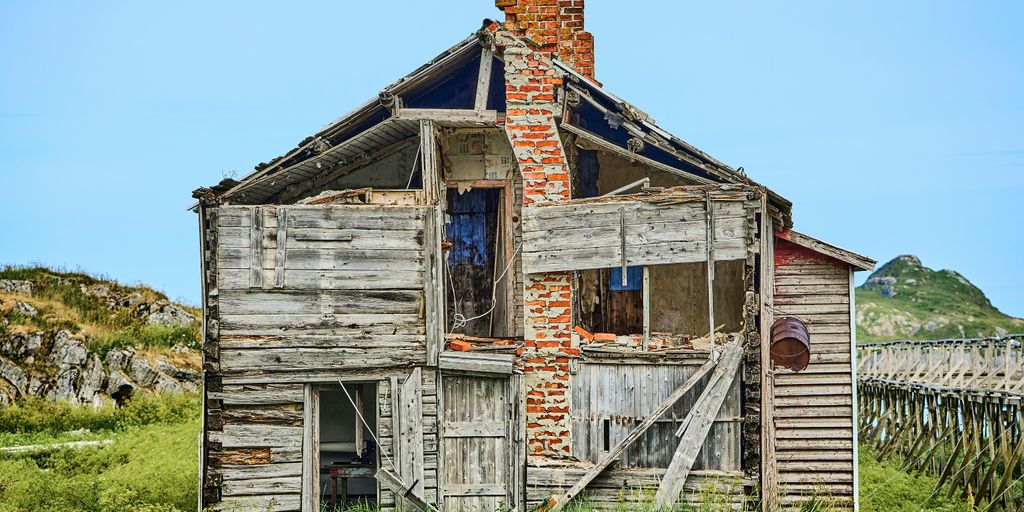
Okay, so you’ve got your 1 dollar home. Now comes the real work. These aren’t fixer-uppers; they’re often total gut jobs. Think crumbling walls, missing roofs, and interiors that haven’t seen love in decades. The transformation is a massive undertaking, requiring serious planning and a realistic budget. It’s not just about slapping on some paint; it’s about bringing a derelict structure back to life. You’re not just renovating; you’re often rebuilding.
Sourcing Materials in Remote Locations
Many of these homes are in small, remote villages. That sounds charming, right? Well, it also means the local hardware store might not have what you need. Getting materials can be a logistical nightmare. Imagine trying to get a truckload of lumber up a winding, narrow road! You might need to rely on local suppliers, which can be more expensive, or arrange for materials to be shipped in, adding to both the cost and the timeline. It’s a challenge, no doubt. Consider the factors to consider when purchasing a home before committing.
Dealing with Unforeseen Damage
Expect the unexpected. Once you start tearing into walls and floors, you’re bound to find surprises. Maybe it’s water damage, termite infestations, or structural issues you couldn’t see at first. These problems can add significant costs to your renovation. It’s wise to have a contingency fund for these unforeseen issues. I mean, you bought a house for a dollar, so you can afford to set aside some extra cash, right? Here’s a list of things that could go wrong:
- Hidden mold
- Faulty wiring
- Foundation cracks
And here’s a table of potential costs:
| Issue | Estimated Cost | Time Delay |
|---|---|---|
| Mold Removal | $2,000 – $10,000 | 1-2 weeks |
| Wiring Update | $1,500 – $5,000 | 3-7 days |
| Foundation Repair | $5,000 – $20,000 | 1-4 weeks |
Is a 1 Dollar Home Right for You?
So, you’re thinking about buying a 1 dollar home? It sounds amazing, right? But before you pack your bags and dream of sipping wine on your Italian balcony, let’s get real. This isn’t for everyone. It takes a certain kind of person to turn a dilapidated building into a dream home. Let’s consider if you’re that person.
Assessing Your Risk Tolerance
Are you a gambler? Because that’s kind of what this is. You’re betting on your ability to handle the unknown. Some people thrive on uncertainty, while others need a clear plan. If you’re the type who panics when things don’t go exactly as planned, a 1 dollar home might send you into a tailspin. Think about it: hidden costs, structural problems, bureaucratic nightmares – it’s all part of the package. Can you handle the stress? Are you okay with potentially losing money if things go south? If not, maybe stick to something a little less… adventurous. Remember that selling a house for a dollar has tax implications.
Commitment to a Long-Term Project
This isn’t a weekend DIY project. We’re talking years, potentially. Think of it as a marathon, not a sprint. You’ll need patience, dedication, and a serious commitment to seeing it through. Are you willing to learn a new language? Deal with endless paperwork? Spend months, maybe years, away from your friends and family? If you’re looking for a quick fix or a vacation home you can use next summer, this isn’t it. This is a lifestyle change. Consider these points:
- Can you commit to a strict renovation timeline?
- Are you prepared to live in a construction zone for an extended period?
- Do you have the time and energy to manage a complex project from afar?
Weighing the Dream Versus Disaster
Okay, let’s be honest. The dream is amazing. A charming home in a beautiful location, all for the price of a coffee. But the reality can be harsh. Asbestos, earthquake damage, no running water – these are real possibilities. You need to weigh the potential rewards against the very real risks. Talk to people who’ve done it. Read the horror stories. Understand what you’re getting into. Is the potential payoff worth the potential heartache? Maybe you’ll end up with a stunning villa. Or maybe you’ll end up with a very expensive pile of rubble. It’s a gamble. Are you ready to roll the dice on a European escape?
So, What’s the Real Deal with 1 Dollar Homes?
So, after looking at all this, what’s the final word on those 1 dollar homes? Are they a dream come true or a total headache waiting to happen? Well, it’s not really a simple yes or no. For some folks, it’s been a real adventure, and they’ve ended up with a cool place they love. But for others, it’s turned into a money pit and a lot of stress. You’ve got to go into it with your eyes wide open, knowing it’s probably going to cost way more than a dollar and take a ton of work. It’s not for everyone, that’s for sure. But if you’re up for a big project and you’ve got some cash saved up, maybe, just maybe, it could be your dream. Just don’t expect it to be easy.




Prosecutors Say Jason Finkelstein Spent 11 Seconds Reviewing Cardiac Images Before Clearing a Teenage Athlete

Prosecutors Say Jason Finkelstein Spent 11 Seconds Reviewing Cardiac Images Before Clearing a Teenage Athlete
Prosecutors Say Jason Finkelstein Spent 11 Seconds Reviewing Cardiac Images Before Clearing a Teenage Athlete
Prosecutors Say Jason Finkelstein Spent 11 Seconds Reviewing Cardiac Images Before Clearing a Teenage Athlete

Prosecutors Say Jason Finkelstein Spent 11 Seconds Reviewing Cardiac Images Before Clearing a Teenage Athlete
Prosecutors Say Jason Finkelstein Spent 11 Seconds Reviewing Cardiac Images Before Clearing a Teenage Athlete

Prosecutors Say Jason Finkelstein Spent 11 Seconds Reviewing Cardiac Images Before Clearing a Teenage Athlete
Prosecutors Say Jason Finkelstein Spent 11 Seconds Reviewing Cardiac Images Before Clearing a Teenage Athlete
Prosecutors Say Jason Finkelstein Spent 11 Seconds Reviewing Cardiac Images Before Clearing a Teenage Athlete

Prosecutors Say Jason Finkelstein Spent 11 Seconds Reviewing Cardiac Images Before Clearing a Teenage Athlete
Prosecutors Say Jason Finkelstein Spent 11 Seconds Reviewing Cardiac Images Before Clearing a Teenage Athlete
Prosecutors Say Jason Finkelstein Spent 11 Seconds Reviewing Cardiac Images Before Clearing a Teenage Athlete
Prosecutors Say Jason Finkelstein Spent 11 Seconds Reviewing Cardiac Images Before Clearing a Teenage Athlete

Prosecutors Say Jason Finkelstein Spent 11 Seconds Reviewing Cardiac Images Before Clearing a Teenage Athlete
Prosecutors Say Jason Finkelstein Spent 11 Seconds Reviewing Cardiac Images Before Clearing a Teenage Athlete

-
Alternative Energy4 days ago
Brian Rowan’s Possible Defense: No Intent, No Control, No Fraud, Just Sales
-
Alternative Energy4 days ago
Federal Grand Jury Indicts Oren Shachar in Hospice Fraud Case
-
Business3 days ago
How Darrell Seale Builds High-Performing Teams Through Service-Based Leadership
-
Education3 days ago
Daniel Cullen Delafield on Bridging Executive Leadership and Skilled Trades Development
-

 News1 day ago
Prosecutors Say Jason Finkelstein Spent 11 Seconds Reviewing Cardiac Images Before Clearing a Teenage Athlete
-
News1 day ago
Prosecutors Say Jason Finkelstein Spent 11 Seconds Reviewing Cardiac Images Before Clearing a Teenage Athlete
-
News1 day ago
Prosecutors Say Jason Finkelstein Spent 11 Seconds Reviewing Cardiac Images Before Clearing a Teenage Athlete
-
News1 day ago
Prosecutors Say Jason Finkelstein Spent 11 Seconds Reviewing Cardiac Images Before Clearing a Teenage Athlete