
Finance
Unpacking Today’s Seeking Alpha Dividend News: What Investors Need to Know


So, you’re looking into dividend stocks, huh? It’s a smart move for many investors. But with so much information out there, especially on platforms like Seeking Alpha, it can get a bit much. This article is here to help you sort through the daily Seeking Alpha dividend news. We’ll break down what really matters, so you can make good choices for your money.
Key Takeaways
- Seeking Alpha offers a lot of dividend information, including analyst opinions and special tools to help you find good stocks.
- When checking out dividend stocks, look past just the yield. Think about how much the dividend might grow and if the company can keep paying it.
- Things like inflation and interest rate changes can really affect how much dividends are worth and how attractive they are.
- It’s important to know about ex-dividend dates and payment schedules. Also, watch out for special dividends or, even worse, dividend cuts.
- To build a strong dividend portfolio, spread your money around different companies. Reinvesting your dividends can also help your money grow faster.
Understanding Seeking Alpha’s Dividend Coverage
How Seeking Alpha Identifies Top Dividend Stocks
Seeking Alpha has a system for finding what it thinks are the best dividend stocks. It’s not just about high yields; they look at a bunch of things. They consider factors like dividend growth, consistency, and the overall financial health of the company. It’s like they’re trying to find the goldilocks of dividend stocks – not too risky, not too boring, but just right. They also use proprietary algorithms to sift through tons of data, which is way more than I could ever do on my own.
The Role of Analyst Ratings in Dividend News
Analyst ratings can really move the needle when it comes to dividend news. If a company gets a downgrade, it can spook investors and send the stock price tumbling, even if the dividend itself is still solid. Conversely, an upgrade can give a stock a boost. Seeking Alpha pays attention to these ratings because they can be a leading indicator of potential dividend changes. It’s like having a bunch of experts uncovering the best stocks giving you their opinions, which can be pretty helpful, even if they’re not always right.
Navigating Seeking Alpha’s Dividend Tools
Seeking Alpha has a bunch of tools to help you find and analyze dividend stocks. Here’s a quick rundown:
- Dividend Screener: This lets you filter stocks based on yield, payout ratio, dividend growth, and other metrics. It’s super useful for narrowing down your options.
- Dividend Grades: They give stocks grades (A+ to F) based on dividend safety, growth, yield, and consistency. It’s a quick way to see how a stock stacks up.
- Dividend News: This is where you find all the latest dividend announcements, analysis, and articles. It keeps you in the loop on what’s happening in the dividend world.
These tools can save you a ton of time and effort when you’re trying to build a dividend portfolio. It’s like having a level up your investing strategy right at your fingertips.
Key Metrics for Evaluating Dividend Opportunities
Dividend Yield Versus Total Return
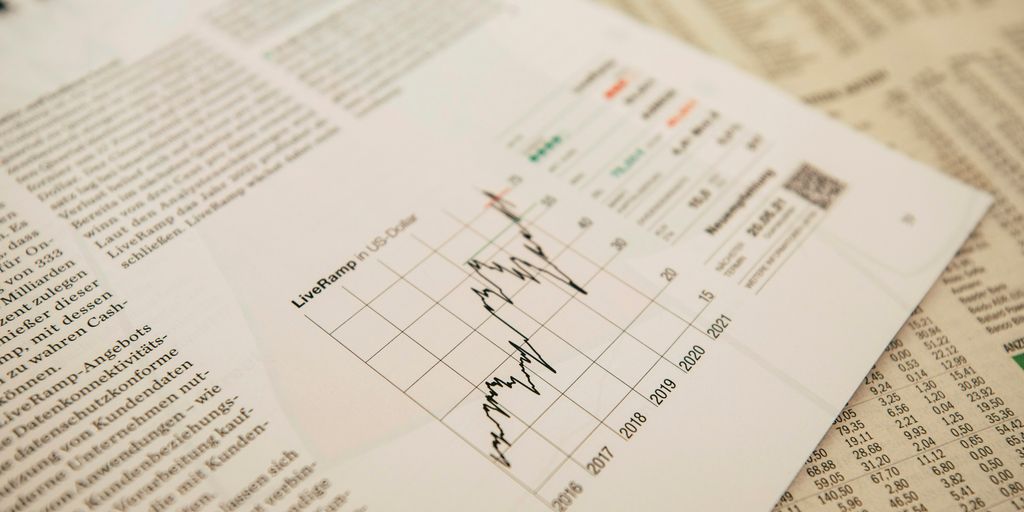
Okay, so dividend yield is a big deal, right? It’s the annual dividend payment divided by the stock price, shown as a percentage. But don’t get tunnel vision! You need to consider the total return, which includes both the dividend yield and any capital appreciation (or depreciation) of the stock price. A high yield might look tempting, but if the stock price is tanking, your overall return could be negative. It’s like getting a ‘deal’ on something that’s falling apart. For example, a stock with a 2% yield that grows 10% annually is often better than a stock with a 6% yield that stays flat or declines. Think long-term!
Assessing Dividend Growth Potential
Past performance isn’t a guarantee, but it’s a clue. Look at a company’s history of dividend increases. Has it consistently raised its dividend over the years? A company that steadily increases its dividend is usually a sign of financial health and a commitment to rewarding shareholders. But also, dig into why they’ve been able to increase it. Is it because of actual earnings growth, or are they just borrowing money to keep the streak alive? You can also look at the Alaxio (ALX) cryptocurrency investment to see how it compares.
Understanding Payout Ratios and Sustainability
The payout ratio is the percentage of a company’s earnings that it pays out as dividends. A high payout ratio (like, over 80%) could mean the company is struggling to reinvest in its business or might not be able to maintain its dividend in the future. A lower payout ratio (say, below 60%) suggests the dividend is more sustainable and has room to grow. It’s all about balance. You want a company that rewards you with dividends but also invests in its future. Think of it like this: you want a goose that lays golden eggs, not one that gets slaughtered for a single, massive omelet. Also, consider free cash flow. Is the dividend covered by free cash flow, or is the company stretching itself thin? This is a big factor in dividend sustainability.
Impact of Economic Trends on Dividend Payouts
Inflation’s Effect on Dividend Purchasing Power
Inflation is a big deal for dividend investors. It erodes the real value of those dividend checks. What seems like a decent payout today might not buy you as much next year if inflation is running hot. Companies have to increase their dividends just to keep up, and not all of them can or will. This is why it’s important to look at companies with a history of dividend payments that outpace inflation.
Interest Rate Changes and Dividend Attractiveness
When interest rates go up, bonds become more attractive. Suddenly, those safe, fixed-income investments are paying out more, which can make dividend stocks look less appealing in comparison. Investors might shift money out of stocks and into bonds, putting downward pressure on stock prices and potentially affecting a company’s ability to maintain or grow its dividend. On the flip side, lower interest rates can make dividend stocks shine, as investors search for yield in a low-rate environment. It’s all about the relative attractiveness of different investment options.
Sector-Specific Dividend Performance
Different sectors react differently to economic shifts. For example, utilities tend to be more stable and offer consistent dividends, even during economic downturns. Tech companies, on the other hand, might be more focused on growth and less on dividends, making them more vulnerable to market volatility. Understanding stock market volatility and how different sectors perform under various economic conditions is key to building a resilient dividend portfolio. Here’s a quick look at how some sectors might behave:
- Utilities: Generally stable, consistent dividends.
- Consumer Staples: Relatively stable, but can be affected by consumer spending habits.
- Energy: Highly sensitive to oil prices and economic cycles.
- Financials: Impacted by interest rates and regulatory changes.
- Technology: Growth-oriented, dividends can be less consistent.
Company-Specific Dividend Announcements
Decoding Ex-Dividend Dates and Payment Schedules
Okay, so you see a stock with a nice dividend, but how do you actually get that dividend? It all comes down to ex-dividend dates and payment schedules. The ex-dividend date is key. If you buy the stock on or after this date, you don’t get the next dividend payment. You need to own the stock before the ex-dividend date. Payment schedules are usually quarterly, but some companies do monthly or even annual payouts. It’s all about timing!
Special Dividends and Their Implications
Sometimes, companies will issue a special dividend, which is a one-time payment on top of the regular dividend. This usually happens when a company has a lot of extra cash. It can be a nice bonus for investors, but don’t count on it happening regularly. A special dividend can signal a few things: the company is doing well, they don’t have immediate plans for the cash, or they want to reward shareholders. Just remember it’s not a recurring thing. It’s important to keep an eye on earnings to understand the company’s financial health.
Dividend Cuts and Their Market Reaction
Nobody likes a dividend cut. When a company reduces or eliminates its dividend, the stock price usually takes a hit. It’s often seen as a sign that the company is struggling financially. However, sometimes a dividend cut can be a good thing in the long run, if it allows the company to reinvest in its business and become more profitable. Still, expect some short-term pain. Here’s a quick look at how the market might react:
- Immediate sell-off: Investors who rely on the dividend income may dump the stock.
- Increased volatility: Uncertainty about the company’s future can lead to bigger price swings.
- Reassessment by analysts: Analysts will likely revise their ratings and price targets for the stock.
Building a Resilient Dividend Portfolio
Diversification Strategies for Income Investors
Building a strong dividend portfolio isn’t just about chasing high yields; it’s about creating a portfolio that can weather different economic conditions. Diversification is key to mitigating risk and ensuring a steady income stream. Think about spreading your investments across different sectors, like utilities, consumer staples, and healthcare. These sectors tend to be more stable and less sensitive to economic downturns. Also, consider diversifying across different company sizes – large-cap, mid-cap, and small-cap – to capture different growth opportunities. Don’t forget about geographic diversification either; investing in international dividend stocks can further reduce your portfolio’s vulnerability to any single country’s economic woes.
Reinvesting Dividends for Compounding Growth
Reinvesting your dividends can significantly boost your long-term returns through the power of compounding. Instead of taking your dividend payouts as cash, you use them to purchase additional shares of the same stock. This increases your ownership and, in turn, leads to even larger dividend payments in the future. It’s like a snowball effect! Many brokerage accounts offer a Dividend Reinvestment Program (DRIP), which automates this process. Over time, reinvesting dividends can dramatically increase your portfolio’s value, especially when combined with long-term growth stocks.
Tax Implications of Dividend Income
Understanding the tax implications of dividend income is crucial for maximizing your after-tax returns. Dividends are generally taxed in one of two ways: as qualified dividends or as ordinary income. Qualified dividends, which meet certain IRS requirements, are taxed at lower rates than ordinary income. These rates depend on your income tax bracket. It’s important to keep track of your dividend income and consult with a tax professional to understand how it affects your overall tax liability. Also, consider holding dividend stocks in tax-advantaged accounts, such as a Roth IRA or 401(k), to minimize or defer taxes. Here’s a quick rundown:
- Qualified Dividends: Lower tax rates, based on income.
- Ordinary Income: Taxed at your regular income tax rate.
- Tax-Advantaged Accounts: Roth IRA, 401(k) can help minimize taxes on dividend payments.
Seeking Alpha’s Exclusive Dividend Insights
Proprietary Quant Ratings for Dividend Stocks
Seeking Alpha really shines when it comes to its Quant Ratings. These aren’t just some analyst’s gut feeling; they’re data-driven assessments of a stock’s potential. The system looks at factors like valuation, growth, profitability, and momentum to give each dividend stock a rating. It’s like having a robot analyst that never sleeps, constantly crunching numbers to help you make informed decisions. It’s worth checking out if you’re serious about dividend investing.
Community Discussions on Dividend Strategies
One of the best things about Seeking Alpha is the community. It’s not just a place to read articles; it’s a place to connect with other investors. The discussion forums are full of people sharing their dividend strategies, asking questions, and offering advice. You can learn a lot from other people’s experiences, and it’s a great way to get new ideas. Plus, if you’re ever unsure about a particular stock, you can always ask the community for their thoughts. It’s like having a team of dividend investors in your corner.
Expert Analysis of High-Yield Opportunities
Seeking Alpha also has a team of expert analysts who specialize in dividend investing. They write articles that go in-depth on specific high-yield opportunities, providing insights that you won’t find anywhere else. They often dig into the financials of companies, assess the sustainability of their dividends, and offer recommendations on whether to buy, sell, or hold. This kind of expert analysis can be invaluable when you’re trying to find the best dividend stocks.
Here’s a quick look at what you might find:
- In-depth company reports
- Dividend sustainability analysis
- Buy/Sell/Hold recommendations
- Risk assessments
- Alternative investment ideas
Future Outlook for Dividend Investing
Emerging Trends in Dividend Policy
Dividend policies are always changing, and it’s interesting to see where things are headed. Companies are increasingly using dividends as a tool to attract and retain investors, especially in a low-interest-rate environment. We’re seeing a shift towards more flexible dividend strategies, with some firms opting for special dividends or share buybacks alongside regular payouts. This gives them more wiggle room to manage cash flow and adapt to changing market conditions. Also, environmental, social, and governance (ESG) factors are starting to play a bigger role, with some investors pushing for dividend policies that align with sustainable business practices. It’s not just about the money anymore; it’s about how the money is made and distributed.
Technological Disruptions and Dividend Stability
Technology is shaking up every industry, and dividends are no exception. Companies in sectors facing rapid technological change might need to reinvest more of their earnings to stay competitive, potentially impacting their ability to maintain or grow dividends. On the other hand, tech companies with strong cash flows and established market positions could become reliable dividend payers. It really depends on the specific industry and the company’s ability to adapt. For example, companies that embrace high-growth opportunities might see their stock value increase, but their dividend payouts could be affected by reinvestment strategies. It’s a balancing act.
Global Economic Factors Influencing Dividends
Global economic trends have a huge impact on dividend payouts. Things like economic growth, inflation, and interest rates can all affect a company’s profitability and its ability to pay dividends. For instance, a strong global economy usually leads to higher corporate earnings, which can translate into increased dividends. But, rising inflation can erode the purchasing power of dividends, making them less attractive to investors. Interest rate hikes can also make bonds more appealing, potentially drawing investors away from dividend stocks. It’s a complex web of interconnected factors that investors need to keep an eye on. Here’s a quick look at how different factors might affect dividends:
- Economic Growth: Higher earnings, potentially higher dividends.
- Inflation: Reduced purchasing power of dividends.
- Interest Rates: Increased competition from bonds.
- Currency Fluctuations: Impacts on multinational companies’ earnings and dividends.
The Bottom Line
So, what’s the takeaway from all this Seeking Alpha dividend news? Well, it’s pretty simple: staying on top of these updates can really help you make smarter choices with your money. Dividends are a big deal for a lot of investors, especially if you’re looking for regular income. Knowing what’s happening with different companies’ payouts, whether they’re going up, down, or staying the same, gives you a clearer picture. It’s not about reacting to every little blip, but more about understanding the bigger trends. Keep an eye on the news, do your own homework, and you’ll be in a much better spot to build a solid dividend portfolio that works for you.




Prosecutors Say Jason Finkelstein Spent 11 Seconds Reviewing Cardiac Images Before Clearing a Teenage Athlete

Prosecutors Say Jason Finkelstein Spent 11 Seconds Reviewing Cardiac Images Before Clearing a Teenage Athlete
Prosecutors Say Jason Finkelstein Spent 11 Seconds Reviewing Cardiac Images Before Clearing a Teenage Athlete
Prosecutors Say Jason Finkelstein Spent 11 Seconds Reviewing Cardiac Images Before Clearing a Teenage Athlete

Prosecutors Say Jason Finkelstein Spent 11 Seconds Reviewing Cardiac Images Before Clearing a Teenage Athlete
Prosecutors Say Jason Finkelstein Spent 11 Seconds Reviewing Cardiac Images Before Clearing a Teenage Athlete

Prosecutors Say Jason Finkelstein Spent 11 Seconds Reviewing Cardiac Images Before Clearing a Teenage Athlete
Prosecutors Say Jason Finkelstein Spent 11 Seconds Reviewing Cardiac Images Before Clearing a Teenage Athlete
Prosecutors Say Jason Finkelstein Spent 11 Seconds Reviewing Cardiac Images Before Clearing a Teenage Athlete

Prosecutors Say Jason Finkelstein Spent 11 Seconds Reviewing Cardiac Images Before Clearing a Teenage Athlete
Prosecutors Say Jason Finkelstein Spent 11 Seconds Reviewing Cardiac Images Before Clearing a Teenage Athlete
Prosecutors Say Jason Finkelstein Spent 11 Seconds Reviewing Cardiac Images Before Clearing a Teenage Athlete
Prosecutors Say Jason Finkelstein Spent 11 Seconds Reviewing Cardiac Images Before Clearing a Teenage Athlete

Prosecutors Say Jason Finkelstein Spent 11 Seconds Reviewing Cardiac Images Before Clearing a Teenage Athlete
Prosecutors Say Jason Finkelstein Spent 11 Seconds Reviewing Cardiac Images Before Clearing a Teenage Athlete

-
Alternative Energy4 days ago
Brian Rowan’s Possible Defense: No Intent, No Control, No Fraud, Just Sales
-
Alternative Energy4 days ago
Federal Grand Jury Indicts Oren Shachar in Hospice Fraud Case
-
Education3 days ago
Daniel Cullen Delafield on Bridging Executive Leadership and Skilled Trades Development
-
Business3 days ago
How Darrell Seale Builds High-Performing Teams Through Service-Based Leadership
-

 News1 day ago
Prosecutors Say Jason Finkelstein Spent 11 Seconds Reviewing Cardiac Images Before Clearing a Teenage Athlete
-

 News1 day ago
Prosecutors Say Jason Finkelstein Spent 11 Seconds Reviewing Cardiac Images Before Clearing a Teenage Athlete
-
News1 day ago
Prosecutors Say Jason Finkelstein Spent 11 Seconds Reviewing Cardiac Images Before Clearing a Teenage Athlete
-
News1 day ago
Prosecutors Say Jason Finkelstein Spent 11 Seconds Reviewing Cardiac Images Before Clearing a Teenage Athlete