
Food
Unlock the Secret: Crafting the Ultimate 5-Star Pasta Recipe at Home


Ever wonder how restaurants make their pasta taste so good? It’s not magic, just a few simple steps you can do right in your own kitchen. Making your own pasta from scratch is a game-changer. It’s way better than anything you buy at the store. Plus, it’s pretty fun to do. We’re going to walk through everything you need to know to make a truly amazing 5 star pasta recipe at home, from the basic stuff you need to different shapes you can try.
Key Takeaways
- Fresh pasta tastes much better than store-bought.
- You don’t need a lot of fancy ingredients to make good pasta.
- Resting the dough is important for easy rolling.
- Different tools can help you make pasta, from simple to more advanced.
- There are many pasta shapes you can create once you have the dough down.
1. Flour
Okay, let’s talk flour. It’s the foundation of any good pasta, right? But not all flour is created equal. You can’t just grab any old bag off the shelf and expect amazing results. Trust me, I’ve tried. It’s a journey, finding the right flour, but it’s worth it.
The type of flour you use dramatically impacts the final texture and taste of your pasta.
When it comes to pasta, there are a few main contenders:
- ’00’ Flour: This is the gold standard for a reason. It’s super finely milled, giving your pasta that silky smooth texture. It’s what the pros use, and honestly, it makes a difference. If you can find it, grab it. It’s worth the extra few bucks. The fine grind allows it to absorb water more evenly, which helps in creating a cohesive dough that is easy to roll out thinly. You can find different brands, and the protein content can vary, so keep that in mind. For pasta, you want something with a lower protein content for a more tender result. I’ve had good luck with Molino Grassi and Caputo.
- All-Purpose Flour: Okay, so maybe you can’t find ’00’ flour. Don’t panic! All-purpose flour can work in a pinch. Just be aware that your pasta might be a little chewier. If you’re using all-purpose, try to find one with a lower protein content. King Arthur is a decent substitute.
- Semolina Flour: This is made from durum wheat and is coarser than ’00’ or all-purpose. It’s often used for dried pasta, but you can also use it in fresh pasta, especially for shapes like orecchiette. It gives the pasta a slightly nutty flavor and a firmer texture.
Ultimately, the best flour for you depends on your personal preferences and what you’re trying to achieve. Experiment a little! That’s half the fun, right?
2. Eggs
Okay, so you’ve got your flour sorted. Now, let’s talk eggs. Eggs are super important because they bind everything together and give your pasta that rich flavor and nice color. I’ve messed this up before, and trust me, you don’t want to end up with crumbly pasta dough. It’s a pain to fix.
The quality of your eggs really matters here. Fresh, high-quality eggs will make a noticeable difference in the final product. I usually grab the ones from the farmer’s market if I can, but the organic ones from the grocery store work just fine too.
When it comes to quantity, it’s a bit of an art. I usually aim for about one large egg per cup of flour. However, I’ve found that adding a few extra egg yolks can really improve the texture. It makes the dough richer and more pliable. A good starting point is 3 whole eggs and 3 egg yolks for every 300 grams of flour. This ratio often eliminates the need for water, which is a plus.
I always crack my eggs into a separate bowl first. This way, if you happen to get a shell fragment in there, you can easily remove it without contaminating the whole batch. Plus, you can check for any weird-looking eggs before they ruin your dough. Nobody wants that!
If you’re feeling fancy, you can even experiment with different types of eggs. Duck eggs, for example, will give your pasta a richer flavor and a more vibrant color. It’s a fun way to mix things up once you’ve mastered the basics. Just remember that duck eggs are larger, so you might need to adjust the amount of flour accordingly. Weighing your pasta ingredients is always a good idea for consistency.
3. Salt
Okay, so salt. It’s not just some afterthought; it’s actually pretty important for your pasta. I used to think, ‘Eh, a pinch will do,’ but I’ve learned that’s totally wrong. Salting your pasta water correctly is key to getting that perfect al dente texture.
Think of it this way: you’re not just flavoring the water; you’re flavoring the pasta itself. If you skip the salt, you end up with bland pasta, and nobody wants that. I mean, you could try to compensate with a super flavorful sauce, but it’s just not the same. The pasta needs to have some flavor of its own.
Now, how much salt are we talking about? Some people say ‘salty like the sea,’ which is kind of vague, right? A good rule of thumb is about 1-2 tablespoons of salt per gallon of water. I usually start with 1 tablespoon and then taste the water. It should taste noticeably salty, but not overwhelmingly so. You want it to be like a well-seasoned broth.
And don’t add oil to the water! I know some people swear by it, but it’s actually a myth. The oil just coats the pasta and prevents the sauce from sticking properly. You want that sauce to cling to every strand, and proper salting helps with that process, too.
Here’s a quick breakdown:
- Use about 1-2 tablespoons of salt per gallon of water.
- Add the salt after the water comes to a boil.
- Taste the water to make sure it’s properly seasoned.
- Don’t add oil to the water – it’s a no-no!
Honestly, getting the salt right is one of those little things that makes a huge difference. Trust me, your pasta will thank you.
4. KitchenAid
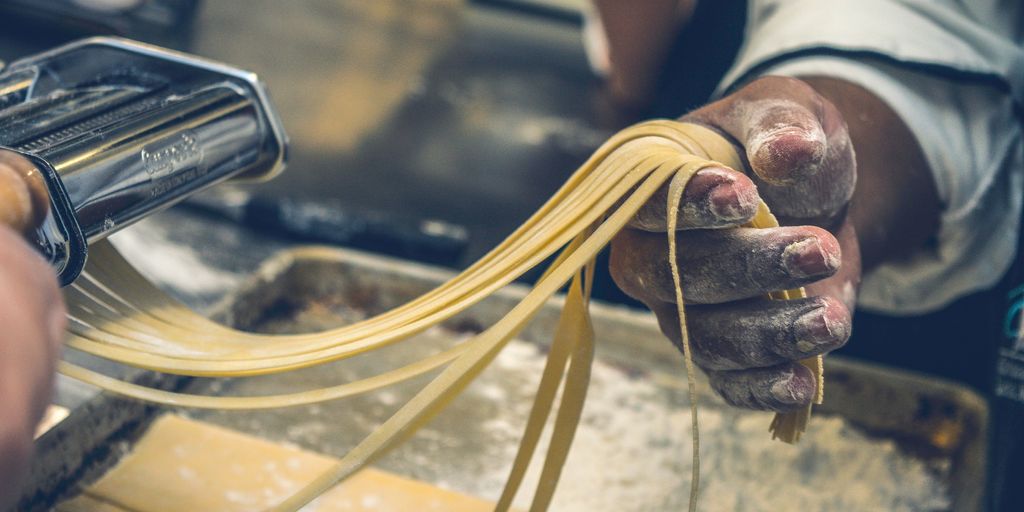
Okay, let’s talk KitchenAid. I know, I know, not everyone has one. But if you’re serious about making pasta at home, it’s a game changer. I resisted for years, thinking it was an unnecessary expense. Now? I can’t imagine making pasta without it. It just makes the whole process so much easier, especially when you get into larger batches.
The KitchenAid stand mixer isn’t just for cakes and cookies; it’s a pasta-making powerhouse when you add the attachments.
I mean, you can do it all by hand, but your arms will thank you if you invest in some motorized help. Plus, the consistency you get with a machine is hard to beat. Speaking of attachments, let’s get into those. The pasta press is a must-have. It flattens the dough evenly and cuts it into perfect strands.
Here’s why I think it’s worth the investment:
- Consistency: The machine ensures uniform thickness, which means even cooking. No more chewy bits and mushy bits in the same bite!
- Speed: It drastically cuts down on the time it takes to roll and cut the pasta. What used to be an all-day affair is now a manageable weeknight project.
- Versatility: With different attachments, you can make all sorts of pasta shapes. Think spaghetti, fettuccine, lasagna sheets, ravioli… the possibilities are endless.
I’m not saying you need a KitchenAid to make great pasta. But if you’re looking to up your pasta game and make the process more enjoyable, it’s definitely something to consider. Plus, think of all the other things you can do with it! Bread, cookies, meringue… it’s a kitchen workhorse.
5. Rolling Pin
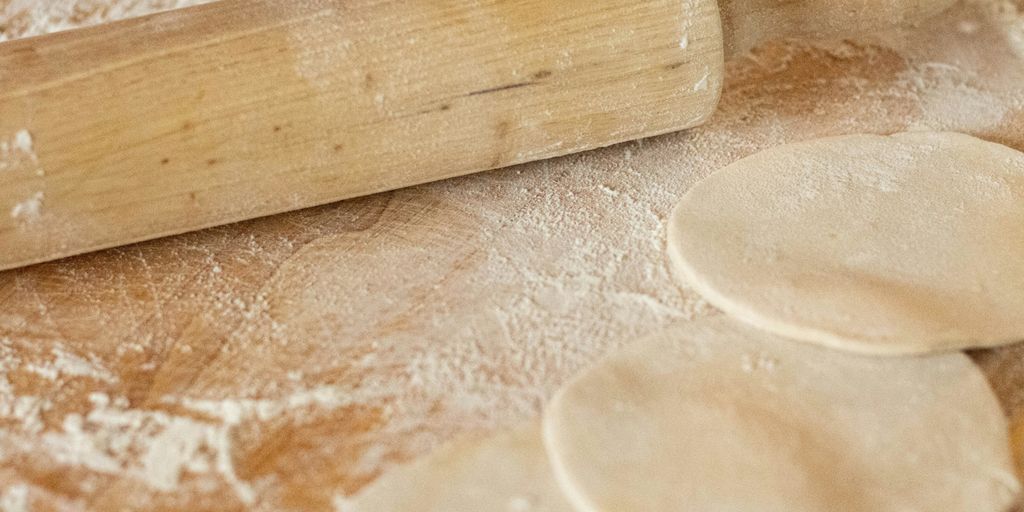
Okay, so you don’t have a fancy pasta machine? No sweat! A rolling pin is your trusty sidekick. It might take a little more elbow grease, but you can absolutely make amazing pasta with one. I remember the first time I tried making pasta, I didn’t have any equipment. It was a workout, but totally worth it.
The key is even pressure and patience. Don’t rush it, or you’ll end up with uneven pasta that cooks weirdly.
Here’s a few things I’ve learned along the way:
- Choose the right pin: A tapered rolling pin gives you more control, especially when you’re trying to get those edges nice and thin. I’ve found that a good wooden board helps too.
- Work in sections: Divide your dough into smaller pieces. It’s way easier to manage, trust me.
- Keep it floured: Dust your work surface and the rolling pin with flour (semolina is great!) to prevent sticking. Nobody wants a doughy mess.
It might take a few tries to get the hang of it, but once you do, you’ll be rolling out pasta like a pro. And hey, it’s a great arm workout too! If you are looking to expand your pasta-making skills, a rolling pin is a great place to start.
6. Pasta Machine
Okay, so you’re serious about this pasta thing. Good! A pasta machine is a game-changer. You can roll pasta by hand, but honestly, a machine makes it so much easier and more consistent. Plus, it’s kind of fun!
There are two main types: manual and electric. I started with a manual one, and it worked great for years. Now I have an electric one because, well, I make a LOT of pasta. Let’s talk about the pros and cons.
Here’s the deal:
- Manual Pasta Machines: These are the classic hand-crank models. They’re usually cheaper and require a little elbow grease. The Marcato Atlas 150 Pasta Machine is a popular choice. You clamp it to your counter, feed the dough through, and crank away. It’s simple, reliable, and gives you a good feel for the dough.
- Electric Pasta Machines: These do the work for you! They’re more expensive, but if you make pasta often, they’re worth the investment. They usually have different speed settings and can handle larger batches of dough. Some even come with attachments for different pasta shapes.
- Mixer Attachments: Don’t forget about stand mixer attachments! If you already have a KitchenAid, you can get a pasta roller and cutter attachments. It’s a convenient option if you don’t want another appliance taking up space. I use mine all the time.
Here’s a quick comparison table:
| Feature | Manual Pasta Machine | Electric Pasta Machine | Mixer Attachment |
|---|---|---|---|
| Price | Lower | Higher | Mid-range |
| Effort | More | Less | Less |
| Consistency | Good | Excellent | Good |
| Batch Size | Smaller | Larger | Smaller |
| Space | Less | More | Less |
No matter which type you choose, a pasta machine will help you create consistently thin and even pasta sheets. This is key to getting that perfect al dente texture. Trust me, once you start using a pasta machine, you’ll never go back to store-bought pasta again!
7. Spaghetti
Okay, so you’ve made your pasta dough, and now you’re thinking about what shape to make. Let’s talk spaghetti! It’s a classic for a reason, and honestly, who doesn’t love a good plate of spaghetti? It’s probably the most well-known type of pasta out there. Spaghetti is a versatile choice that pairs well with a variety of sauces.
Think about it: spaghetti and meatballs, spaghetti aglio e olio, spaghetti carbonara… the possibilities are endless. Plus, it’s relatively easy to make with a pasta machine. Just feed the sheet of dough through the spaghetti cutter attachment, and boom, you’ve got spaghetti!
Here’s a little breakdown of why spaghetti is awesome:
- It’s a crowd-pleaser. Seriously, try to find someone who actively dislikes spaghetti. It’s tough.
- It cooks quickly. Perfect for those weeknight dinners when you’re short on time.
- It’s super versatile. From simple tomato sauce to fancy seafood sauces, spaghetti can handle it all.
I’ve been experimenting with different spaghetti recipes lately. I tried a spaghetti aglio e olio recipe last week, and it was amazing! So simple, but so flavorful. I’m thinking of trying a carbonara next. I’ve also seen some recipes for spaghetti with pesto that look really good. I think the key is to not overcook the pasta. You want it to be al dente, with a little bit of bite to it.
Spaghetti is a good entry-level pasta, making it a great choice for your first homemade pasta adventure. Give it a try, and let me know what you think!
8. Tagliatelle
Tagliatelle, oh tagliatelle, how I love thee! This long, flat ribbon pasta is a classic for a reason. It’s wider than fettuccine but not quite as wide as pappardelle, making it the perfect middle ground for soaking up all sorts of delicious sauces. Tagliatelle is traditionally from the Emilia-Romagna region of Italy and is often served with a rich ragu.
I remember the first time I tried making tagliatelle. I thought, "How hard can it be?" Famous last words, right? Getting the dough to the right thickness was a challenge, and cutting those perfect ribbons? Let’s just say my first batch looked more like abstract art than pasta. But hey, even if it wasn’t pretty, it still tasted amazing!
Here’s what I’ve learned over the years:
- Don’t skimp on the kneading. It’s what gives the pasta that lovely, chewy texture. I use my Kitchen Aid attachment for this.
- Make sure your pasta dough is properly rested before rolling it out. This helps prevent it from snapping back on you.
- Dust your pasta sheets generously with flour before cutting them. This will keep them from sticking together.
Tagliatelle is incredibly versatile. It pairs well with creamy sauces, meaty sauces, and even simple olive oil-based sauces. I especially love it with a classic Bolognese sauce or a creamy mushroom sauce. You can even try it with a pesto sauce for a lighter, more summery dish. The possibilities are endless!
So, if you’re looking to up your pasta game, give tagliatelle a try. It might take a few tries to get it perfect, but trust me, it’s worth the effort. And who knows, maybe you’ll even create your own signature tagliatelle dish!
9. Bucatini
Okay, so you’re feeling a little adventurous, huh? Bucatini is where it’s at. It’s basically spaghetti, but with a hole running through the middle. This isn’t just for show; that little tunnel makes for a unique eating experience. It grabs onto sauce like nobody’s business. Trust me, once you try it, you might just become a bucatini convert.
Bucatini is a thick spaghetti-like pasta with a hole running through the center, making it perfect for capturing rich sauces.
Think about it: more surface area equals more flavor in every bite. It’s a game-changer. Plus, it’s just plain fun to eat. That satisfying slurp as you pull a strand from your plate? Priceless.
Here are some things to keep in mind when working with bucatini:
- Don’t overcook it! You want it al dente, with a slight bite. Soggy bucatini is a sad bucatini.
- Pair it with hearty sauces. Think tomato-based sauces with meat, creamy sauces, or even pesto. The pasta can stand up to bold flavors.
- Make sure your sauce is thin enough to get inside the hole. You want that flavor explosion in every bite!
One of the most popular ways to enjoy bucatini is Bucatini all’Amatriciana. The salty guanciale and tangy tomatoes are a match made in heaven with the pasta. It’s a classic for a reason. If you’re looking for something different, try it with a simple garlic and oil sauce, or even a creamy mushroom sauce. The possibilities are endless!
Bucatini is a great way to spice up your pasta routine. It’s easy to cook, versatile, and just plain delicious. So go ahead, give it a try. You might just find your new favorite pasta shape.
10. Orecchiette
Orecchiette, those cute little "ears," are a pasta shape hailing from Puglia, Italy. They’re a bit more involved than just running dough through a machine, but the result is so worth it. Trust me, once you get the hang of shaping them, you’ll be hooked. The slightly chewy texture and cupped shape make them perfect for catching sauce.
So, what makes orecchiette special? It’s all about that handmade touch. Each one is individually shaped, giving it a unique character that you just can’t get from store-bought pasta. Plus, they’re incredibly versatile. They pair well with hearty sauces, light sauces, and everything in between. I love them with a simple broccoli rabe and sausage sauce, or even just some garlic, olive oil, and chili flakes. It’s all about what you’re in the mood for.
Here’s a basic rundown of how to shape them:
- Roll out your pasta dough to about 1/8 inch thickness.
- Cut out small circles using a cookie cutter or knife (about 1 inch in diameter).
- Drag each circle across a wooden board or lightly floured surface using a butter knife, creating a curved shape.
- Invert the orecchiette over your thumb to create the ear shape.
- Let them dry slightly before cooking.
It takes a little practice, but don’t get discouraged! Imperfect orecchiette are still delicious orecchiette. And hey, you can always check out a homemade orecchiette pasta recipe if you need a little extra guidance. Once you’ve mastered the art of making these little guys, you can experiment with different flavors and sauces. The possibilities are endless!
Wrapping It Up: Your Pasta Journey Starts Now
So, there you have it. Making amazing pasta at home isn’t some big secret. It’s really about taking a few simple steps and putting in a little effort. Once you get the hang of it, you’ll see how much better homemade pasta tastes compared to anything from a box. It’s a fun thing to do, and the results are always worth it. Get in your kitchen, try out these ideas, and make some truly great pasta. Your taste buds will thank you, trust me.




Prosecutors Say Jason Finkelstein Spent 11 Seconds Reviewing Cardiac Images Before Clearing a Teenage Athlete

Prosecutors Say Jason Finkelstein Spent 11 Seconds Reviewing Cardiac Images Before Clearing a Teenage Athlete
Prosecutors Say Jason Finkelstein Spent 11 Seconds Reviewing Cardiac Images Before Clearing a Teenage Athlete
Prosecutors Say Jason Finkelstein Spent 11 Seconds Reviewing Cardiac Images Before Clearing a Teenage Athlete

Prosecutors Say Jason Finkelstein Spent 11 Seconds Reviewing Cardiac Images Before Clearing a Teenage Athlete
Prosecutors Say Jason Finkelstein Spent 11 Seconds Reviewing Cardiac Images Before Clearing a Teenage Athlete

Prosecutors Say Jason Finkelstein Spent 11 Seconds Reviewing Cardiac Images Before Clearing a Teenage Athlete
Prosecutors Say Jason Finkelstein Spent 11 Seconds Reviewing Cardiac Images Before Clearing a Teenage Athlete
Prosecutors Say Jason Finkelstein Spent 11 Seconds Reviewing Cardiac Images Before Clearing a Teenage Athlete

Prosecutors Say Jason Finkelstein Spent 11 Seconds Reviewing Cardiac Images Before Clearing a Teenage Athlete
Prosecutors Say Jason Finkelstein Spent 11 Seconds Reviewing Cardiac Images Before Clearing a Teenage Athlete
Prosecutors Say Jason Finkelstein Spent 11 Seconds Reviewing Cardiac Images Before Clearing a Teenage Athlete
Prosecutors Say Jason Finkelstein Spent 11 Seconds Reviewing Cardiac Images Before Clearing a Teenage Athlete

Prosecutors Say Jason Finkelstein Spent 11 Seconds Reviewing Cardiac Images Before Clearing a Teenage Athlete
Prosecutors Say Jason Finkelstein Spent 11 Seconds Reviewing Cardiac Images Before Clearing a Teenage Athlete

-
Alternative Energy5 days ago
Brian Rowan’s Possible Defense: No Intent, No Control, No Fraud, Just Sales
-
Alternative Energy5 days ago
Federal Grand Jury Indicts Oren Shachar in Hospice Fraud Case
-
Business4 days ago
How Darrell Seale Builds High-Performing Teams Through Service-Based Leadership
-
Education4 days ago
Daniel Cullen Delafield on Bridging Executive Leadership and Skilled Trades Development
-

 News2 days ago
Prosecutors Say Jason Finkelstein Spent 11 Seconds Reviewing Cardiac Images Before Clearing a Teenage Athlete
-
News2 days ago
Prosecutors Say Jason Finkelstein Spent 11 Seconds Reviewing Cardiac Images Before Clearing a Teenage Athlete
-
News2 days ago
Prosecutors Say Jason Finkelstein Spent 11 Seconds Reviewing Cardiac Images Before Clearing a Teenage Athlete
-
News2 days ago
Prosecutors Say Jason Finkelstein Spent 11 Seconds Reviewing Cardiac Images Before Clearing a Teenage Athlete