
Banking
Understanding the Factors Influencing 30 Year Treasury Price Movements


So, you’re trying to figure out what makes the 30 year treasury price jump around? It’s not always super clear, right? Lots of things play a part, from how people feel about the economy to what the big banks are doing. Understanding these pieces can really help make sense of why the 30 year treasury price acts the way it does. Let’s break it down.
Key Takeaways
- The 30 year treasury price and its yield usually move in opposite directions; when one goes up, the other tends to go down.
- When people are feeling good about the economy, they often look for riskier investments, which can push the 30 year treasury price lower.
- Inflation expectations play a big role in long-term bond yields, including the 30 year treasury price.
- What the Federal Reserve does with interest rates and its balance sheet has a direct impact on the 30 year treasury price.
- Global demand for U.S. Treasuries, especially during uncertain times, can really affect the 30 year treasury price.
The Inverse Relationship Between 30 Year Treasury Price and Yield
Understanding Price and Yield Dynamics
Okay, so here’s the deal with 30-year Treasury bonds: their price and yield are like two kids on a seesaw – when one goes up, the other goes down. It’s an inverse relationship. When the price of a 30-year Treasury goes up, its yield decreases, and vice versa. This happens because the yield represents the return an investor will get on their investment, and that return is calculated based on the bond’s price. If you pay more for a bond, your effective return (yield) is lower. Makes sense, right?
Think of it this way: the Treasury will still be making the same annual coupon payments as well as the principal repayment. If a 10-year T-note with a face value of $1,000 is auctioned off at a yield of 3%, a subsequent drop in its market value to $974.80 will cause the yield to rise to 3.3%. Conversely, if the same T-note’s market value were to rise to $1,026, the effective yield for a buyer at that price would have declined to 2.7%.
Impact of Investor Sentiment on 30 Year Treasury Price
Investor sentiment plays a HUGE role. When investors are feeling good about the economy, they tend to ditch the safe-haven assets like 30-year Treasuries and go for riskier investments that could give them higher returns. This decreased demand for Treasuries causes their prices to fall, which, as we know, pushes yields up. On the flip side, when there’s economic uncertainty or fear in the market, investors flock to the safety of U.S. Treasuries. This increased demand drives prices up and yields down. It’s all about the perceived risk and reward.
Treasury Yields as Economic Indicators
Treasury yields, especially the 30-year yield, are often seen as indicators of what investors think about the economy’s future. Higher yields on long-term instruments can indicate a more optimistic outlook and higher inflation expectations. The yields on the different Treasury maturities don’t all rise at the same pace. Because the federal funds rate can go up, sending bond prices lower, if the Federal Reserve increases its target for the federal funds rate (in other words, if it tightens monetary policy), or even if investors merely come to expect the fed funds rate to go up. An inverted yield curve, where short-term yields are higher than long-term yields, is often seen as a sign of a potential economic slowdown or recession. It basically means investors are more worried about the short-term than the long-term, and that’s never a good sign. It’s like the bond market’s way of saying, "Uh oh, trouble ahead!"
Inflation Expectations and 30 Year Treasury Price Movements
Anticipated Inflation’s Role in Long-Term Yields
Okay, so inflation and Treasury prices? They’re like frenemies. Everyone knows that long-term Treasury yields are heavily influenced by what people think inflation will be. If investors expect inflation to rise, they’ll demand higher yields to compensate for the loss of purchasing power. Makes sense, right? Nobody wants to get stuck holding a bond that’s losing value because prices are going up faster than the bond’s return. It’s all about protecting that investment. You can check out expected inflation rates to get a sense of where things are headed.
Historical Inflation Trends and 30 Year Treasury Price
Let’s take a quick trip down memory lane. Remember the 1970s? High inflation, low growth – a real mess. Bond yields lagged nominal growth in personal consumption expenditures (PCE) both on the way up and again on the way down. They tended to become anchored to past rates of growth rather than correctly anticipating faster or slower nominal growth in the future. They are reactive and not anticipatory. Then, the period from 1993 to 1999 was the start of a long period of steady 2%-3% inflation. Bond yields reflected the lower, and more stable, inflation rate, with considerably lower volatility. It’s a good reminder that history often rhymes, even if it doesn’t repeat exactly.
Real Interest Rates and 30 Year Treasury Price
Real interest rates – that’s the interest rate minus inflation – play a big role too. When real rates are positive, investors are actually making money after accounting for inflation. But when real rates are negative? Ouch. That’s when things get tricky. The Fed’s monetary policy, especially quantitative easing (QE), can really mess with this dynamic. If the Fed keeps rates low even when inflation is rising, you end up with negative real rates, and that can distort the relationship between Treasury prices and inflation expectations. The shift from negative to positive real short-term interest rate environment is that the 10-year Treasury yield will respond more or less in line with the growth of personal expenditures, which contain both an inflation and real economy component rather than trade well below personal consumption growth rates as the 10-year did in the negative real rate period of the past decade.
Economic Growth and Its Influence on 30 Year Treasury Price

Economic growth plays a big role in how 30-year Treasury prices move. When the economy is doing well, it can actually push Treasury prices down. It’s kind of counterintuitive, but here’s why.
Investor Demand for Riskier Assets
When the economy is booming, people get excited about investing in things that could give them bigger returns, like stocks. This increased appetite for riskier assets means less demand for safe investments like 30-year Treasuries. Think of it like this: if you know you can get a guaranteed 7% return on stocks, why would you settle for the lower, safer return of a Treasury bond? This shift in demand causes Treasury prices to fall, and yields to rise, as the equilibrium adjusts.
Economic Slowdowns and Safe-Haven Demand
On the flip side, when there’s fear of an economic slowdown or recession, investors start looking for safe places to park their money. 30-year Treasuries become attractive again because they’re backed by the U.S. government and are seen as a reliable store of value. This increased demand pushes Treasury prices up and yields down. It’s a classic "flight to safety" scenario. For example, during the dot com bubble, Treasury yields moved amid a flight to safety.
Measuring Economic Growth’s Impact
It’s not always easy to pinpoint exactly how much economic growth affects Treasury prices, but there are some indicators we can look at:
- GDP Growth: A higher GDP growth rate usually signals a stronger economy, potentially leading to lower Treasury prices.
- Personal Consumption Expenditures (PCE): The Fed uses PCE as an inflation target. When people are employed and wages increase, their spending power increases. Strong growth in PCE can indicate inflationary pressures, which can lead to higher Treasury yields.
- Unemployment Rate: A low unemployment rate suggests a healthy economy, which could also decrease demand for Treasuries.
Ultimately, economic growth is just one piece of the puzzle. Inflation expectations, Federal Reserve policy, and global events all play a role in determining where 30-year Treasury prices are headed. It’s a complex interplay of factors that keeps investors on their toes. Investors demand a higher yield further out on the yield curve due to uncertainty over growth.
Federal Reserve Monetary Policy and 30 Year Treasury Price
Okay, let’s talk about the Fed. It’s no secret that the Federal Reserve’s actions have a huge impact on, well, pretty much everything in finance. And 30-year Treasuries are no exception. It’s like they’re playing a constant game of tug-of-war, with the Fed pulling one way and the market pulling the other.
The Federal Funds Rate’s Long-Term Impact
So, the federal funds rate federal funds rate is the baseline interest rate that banks charge each other for overnight lending. You might think it only affects short-term stuff, but it trickles up the yield curve. When the Fed raises rates, it’s generally trying to cool down the economy, which can lead to lower inflation expectations. Lower inflation expectations? That often means lower 30-year Treasury yields, and therefore, higher prices. But it’s not always that simple. Sometimes, the market anticipates the Fed’s moves, or other factors come into play, like global demand for U.S. debt. It’s a complex dance, not a straightforward equation.
Quantitative Easing and Its Effects
Quantitative easing (QE) is when the Fed buys assets, like Treasury bonds or mortgage-backed securities, to inject liquidity into the market. Think of it like the Fed printing money to buy bonds. This increased demand can push bond prices up and yields down. QE is usually done when the economy is struggling, and interest rates are already near zero. The goal is to lower borrowing costs and stimulate economic activity. But QE can also have unintended consequences, like inflation. Here’s a quick look at how QE might affect things:
- Increased demand for Treasuries
- Lower long-term interest rates
- Potential for inflation if not managed carefully
Balance Sheet Adjustments and 30 Year Treasury Price
After periods of QE, the Fed often starts to reduce its balance sheet, a process called quantitative tightening (QT). This means they either stop reinvesting the proceeds from maturing bonds or, in some cases, actively sell bonds back into the market. This can have the opposite effect of QE, putting upward pressure on yields and downward pressure on prices. The pace of balance sheet reduction is key. If the Fed moves too quickly, it could spook the market and cause yields to spike. If it moves too slowly, it might not have the desired effect on inflation. The Fed is gradually reducing its balance sheet Treasury yields through a restrained approach, allowing securities to mature without replacement. It’s a delicate balancing act, and the market is always watching closely to see how it plays out. The average 30-year fixed mortgage rate is affected by these adjustments. Here’s a table showing potential impacts:
| Fed Action | Potential Impact on 30-Year Treasury | Reasoning |
|---|---|---|
| Balance Sheet Reduction | Yields Increase, Prices Decrease | Less demand for Treasuries as the Fed reduces its holdings. |
| Slower Reduction | Milder Impact on Yields | Gradual reduction gives the market time to adjust, minimizing volatility. |
| Unexpected Halt | Yields Decrease, Prices Increase | Signals potential economic concerns, leading to increased demand for safe-haven assets like Treasuries. |
Global Demand for U.S. Treasuries
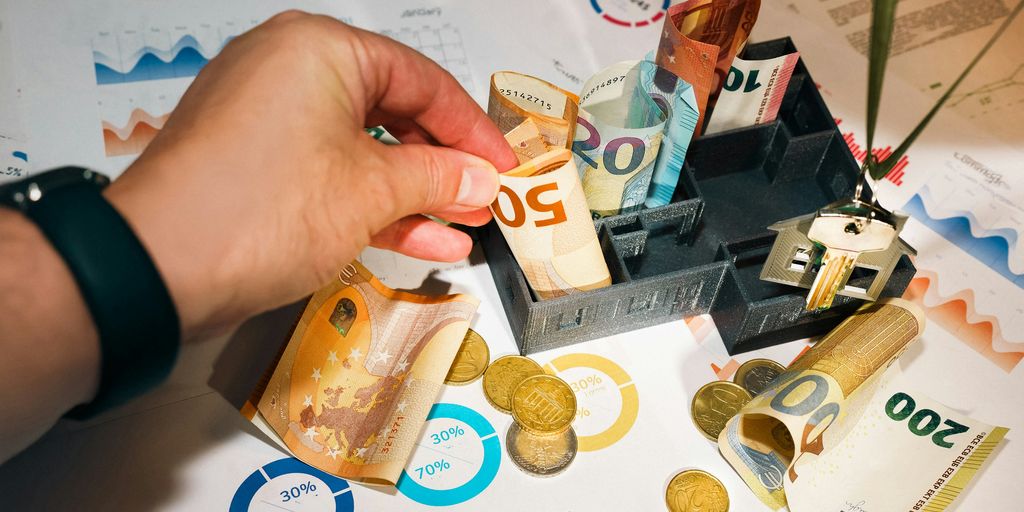
It’s not just domestic investors who are keeping an eye on U.S. Treasuries. Global demand plays a huge role in where those yields end up. Think of it like this: if everyone wants something, the price goes up (and yields go down for bonds). If no one wants it, the price drops (and yields rise).
Foreign Central Bank Purchases
Foreign central banks are big players in the Treasury market. They often buy U.S. Treasuries to manage their own currency reserves or to influence their exchange rates. For example, a country might buy Treasuries to keep its own currency from getting too strong compared to the dollar. These purchases can significantly impact Treasury prices and yields.
Here’s a simplified look at how it works:
- A foreign central bank buys U.S. Treasuries.
- This increases demand for Treasuries.
- Treasury prices go up.
- Treasury yields go down.
Safe-Haven Status in Global Uncertainty
When things get shaky around the world – like during a financial crisis or a geopolitical event – investors often flock to U.S. Treasuries. They’re seen as a safe place to park their money because the U.S. government is considered very unlikely to default on its debt. This "safe-haven" demand can drive Treasury prices up and yields down. Investors who expect poor economic growth, may seek a "safe haven" in Treasury bonds, causing rates to decline as demand rises.
Think of it like this:
- Global uncertainty increases.
- Investors seek safe-haven assets.
- Demand for U.S. Treasuries rises.
- Treasury prices increase, and yields decrease.
Impact of International Capital Flows
The movement of money between countries – international capital flows – can also affect Treasury prices. If a lot of money is flowing into the U.S., some of that money might end up being invested in Treasuries, pushing prices up. Conversely, if money is flowing out of the U.S., demand for Treasuries could fall, pushing prices down. Lower hedging costs combined with higher back-end spreads could boost international demand for US bonds. The U.S. continues to run a budget deficit of around 6.5% of GDP, implying heavy Treasury issuance.
Market Liquidity and 30 Year Treasury Price
Market liquidity plays a huge role in how 30-year Treasury prices move. Basically, if it’s easy to buy and sell these bonds without causing big price swings, the market is considered liquid. When liquidity dries up, things can get bumpy.
Supply and Demand Dynamics
It’s all about supply and demand, really. When there are plenty of both buyers and sellers, the market hums along nicely. But if there’s a sudden surge in demand with limited supply, prices jump. Conversely, if everyone’s trying to sell and no one’s buying, prices plummet. These shifts can be amplified in the 30-year Treasury market because of the long maturity period. For example, the U.S. Treasury market can experience volatility when yields change rapidly.
Trading Volume and Price Stability
High trading volume usually means more stable prices. Think of it like a crowded dance floor – lots of people moving around keeps things lively but also prevents anyone from tripping over. Low trading volume, on the other hand, can lead to erratic price movements because even small trades can have a big impact.
Here’s a quick look at how trading volume might affect price stability:
- High Volume: Smaller price changes, more consistent trading.
- Medium Volume: Moderate price swings, relatively stable.
- Low Volume: Larger price fluctuations, increased volatility.
Market Efficiency and Price Discovery
An efficient market quickly reflects all available information in prices. This means that new data, like economic reports or Fed announcements, gets baked into the price of 30-year Treasuries almost instantly. However, if the market isn’t efficient – maybe because of a lack of information or too few participants – price discovery becomes harder, and prices might not accurately reflect the true value of the bond. This can create opportunities for some investors, but also increases risk for everyone else.
Think of it this way: if everyone knows the same thing at the same time, prices are fair. But if some people have better information, or if it takes a while for news to spread, the federal funds rate and prices can get out of whack.
Duration Risk and the 30 Year Treasury Price
Compensating for Longer Maturities
Alright, let’s talk about duration risk. It’s a big deal when you’re dealing with 30-year Treasuries. Basically, duration risk is the risk that interest rate changes will mess with a bond’s price. The longer the maturity of a bond, the more sensitive it is to these changes. Think about it: a 30-year bond has way more time to be affected by interest rate swings than, say, a 2-year note. Investors know this, so they demand extra yield to make up for taking on that extra risk. This extra yield is often called the term premium. It’s like getting paid extra for waiting longer – and for the increased uncertainty that comes with that wait.
Interest Rate Sensitivity of Long-Term Bonds
Long-term bonds, like the 30-year Treasury, are super sensitive to interest rate changes. Even a small bump in rates can cause a noticeable drop in the bond’s price. Why? Because when rates go up, newly issued bonds become more attractive. Nobody wants to be stuck with an old bond paying a lower interest rate. So, to sell the old bond, you have to drop the price to make it competitive. This is why understanding price and yield dynamics is so important. The longer the maturity, the bigger the price swing. Here’s a simple example:
| Interest Rate Change | Approximate Price Change for 30-Year Treasury |
|---|---|
| +1% | -30% |
| -1% | +30% |
Keep in mind that these are approximate figures, but they illustrate the point. A 1% change in interest rates can lead to a significant change in the price of a 30-year Treasury.
Yield Curve Inversions as Economic Signals
Now, let’s throw another curveball: yield curve inversions. A yield curve shows the yields of bonds with different maturities. Normally, it slopes upward – longer maturities have higher yields. But sometimes, the curve inverts, meaning short-term yields are higher than long-term yields. This is often seen as a bad sign, like a warning that the economy might be headed for a slowdown. Why? Because investors are betting that the Federal Reserve will have to cut interest rates in the future to stimulate the economy. And when investors start flocking to the safe-haven status in global uncertainty of long-term Treasuries, it can push their yields down even further, solidifying the inversion. It’s not a perfect predictor, but it’s something everyone watches closely. Plus, it affects the rate on a 30-year mortgage too.
Wrapping It Up
So, when you look at 30-year Treasury prices, it’s pretty clear there’s a lot going on. Things like what people expect inflation to do, how the economy is growing, and what the Fed is up to with its money policies all play a big part. These aren’t just separate pieces; they all kind of push and pull on each other. It’s like a big, complicated dance, and understanding the steps helps you get a better idea of why these prices move the way they do.




Prosecutors Say Jason Finkelstein Spent 11 Seconds Reviewing Cardiac Images Before Clearing a Teenage Athlete

Prosecutors Say Jason Finkelstein Spent 11 Seconds Reviewing Cardiac Images Before Clearing a Teenage Athlete
Prosecutors Say Jason Finkelstein Spent 11 Seconds Reviewing Cardiac Images Before Clearing a Teenage Athlete
Prosecutors Say Jason Finkelstein Spent 11 Seconds Reviewing Cardiac Images Before Clearing a Teenage Athlete

Prosecutors Say Jason Finkelstein Spent 11 Seconds Reviewing Cardiac Images Before Clearing a Teenage Athlete
Prosecutors Say Jason Finkelstein Spent 11 Seconds Reviewing Cardiac Images Before Clearing a Teenage Athlete

Prosecutors Say Jason Finkelstein Spent 11 Seconds Reviewing Cardiac Images Before Clearing a Teenage Athlete
Prosecutors Say Jason Finkelstein Spent 11 Seconds Reviewing Cardiac Images Before Clearing a Teenage Athlete
Prosecutors Say Jason Finkelstein Spent 11 Seconds Reviewing Cardiac Images Before Clearing a Teenage Athlete

Prosecutors Say Jason Finkelstein Spent 11 Seconds Reviewing Cardiac Images Before Clearing a Teenage Athlete
Prosecutors Say Jason Finkelstein Spent 11 Seconds Reviewing Cardiac Images Before Clearing a Teenage Athlete
Prosecutors Say Jason Finkelstein Spent 11 Seconds Reviewing Cardiac Images Before Clearing a Teenage Athlete
Prosecutors Say Jason Finkelstein Spent 11 Seconds Reviewing Cardiac Images Before Clearing a Teenage Athlete

Prosecutors Say Jason Finkelstein Spent 11 Seconds Reviewing Cardiac Images Before Clearing a Teenage Athlete
Prosecutors Say Jason Finkelstein Spent 11 Seconds Reviewing Cardiac Images Before Clearing a Teenage Athlete

-
Alternative Energy5 days ago
Brian Rowan’s Possible Defense: No Intent, No Control, No Fraud, Just Sales
-
Alternative Energy5 days ago
Federal Grand Jury Indicts Oren Shachar in Hospice Fraud Case
-
Business4 days ago
How Darrell Seale Builds High-Performing Teams Through Service-Based Leadership
-
Education4 days ago
Daniel Cullen Delafield on Bridging Executive Leadership and Skilled Trades Development
-

 News2 days ago
Prosecutors Say Jason Finkelstein Spent 11 Seconds Reviewing Cardiac Images Before Clearing a Teenage Athlete
-
News2 days ago
Prosecutors Say Jason Finkelstein Spent 11 Seconds Reviewing Cardiac Images Before Clearing a Teenage Athlete
-
News2 days ago
Prosecutors Say Jason Finkelstein Spent 11 Seconds Reviewing Cardiac Images Before Clearing a Teenage Athlete
-
News2 days ago
Prosecutors Say Jason Finkelstein Spent 11 Seconds Reviewing Cardiac Images Before Clearing a Teenage Athlete