
Food
Savoring Health: Delicious Mediterranean Diet Recipes for Every Meal


Looking for a way to eat well and feel good? The Mediterranean diet might be just what you need. It’s not really a strict diet, more like a lifestyle that comes from countries around the Mediterranean Sea, like Greece and Italy. People there eat lots of fresh stuff, and it shows in how healthy they are. This way of eating is known for being good for your heart and overall health. Plus, it’s super flexible and tasty. We’ll show you some great Mediterranean diet recipes that work for any meal, so you can start enjoying this healthy eating style right away.
Key Takeaways
- The Mediterranean diet is all about fresh, plant-based foods, healthy fats, and lean proteins.
- It helps your heart, brain, and digestion, and can make your bones stronger.
- You’ll eat plenty of fruits, vegetables, whole grains, nuts, and fish.
- Try to cut back on processed meats, refined sugars, and too much unhealthy fat.
- There are tons of delicious Mediterranean diet recipes for every meal, from breakfast to dinner and even snacks.
Benefits of a Mediterranean Diet for Overall Well-Being
So, you’re thinking about jumping on the Mediterranean diet bandwagon? Awesome! It’s not just another fad; it’s a lifestyle change that can seriously boost your health. It’s more than just eating good food; it’s about feeling good too. Let’s break down some of the key benefits.
Supporting Cardiovascular Health
The Mediterranean diet is fantastic for your heart. It’s packed with healthy fats from olive oil and fish, which can help lower bad cholesterol and reduce the risk of heart disease. Think of it as giving your heart a big, loving hug. I know my grandpa always says his ticker feels better since switching over. Plus, all those fruits and veggies are loaded with antioxidants, which protect your blood vessels. It’s a win-win!
Boosting Cognitive Function
Want to keep your brain sharp as you age? The Mediterranean diet might be your answer. The healthy fats and antioxidants in this diet have been linked to improved cognitive function and a reduced risk of cognitive decline. I read an article about how the American Diabetes Association (ADA) also recommends the diet for diabetes management. Basically, it helps keep your brain cells happy and healthy. Who doesn’t want that?
Enhancing Digestive Health
All that fiber from fruits, vegetables, and whole grains does wonders for your digestive system. It helps keep things moving smoothly and prevents constipation. Plus, a healthy gut is linked to a stronger immune system. It’s like giving your gut a spa day, every day. I’ve noticed a huge difference since I started eating more legumes; no more tummy troubles!
Promoting Bone Strength
The Mediterranean diet is rich in nutrients like calcium and vitamin D, which are essential for strong bones. This is especially important as we get older and our bones become more brittle. Eating plenty of leafy greens, nuts, and dairy (in moderation) can help keep your bones healthy and strong. Think of it as building a solid foundation for your body. My aunt swears her heart health has improved since she started this diet.
Embracing Core Mediterranean Diet Principles
Okay, so you’re thinking about going Mediterranean? Awesome! It’s not just a diet, it’s more of a lifestyle. It’s about making smart choices most of the time, and it’s way easier than you might think. Let’s break down the main ideas.
Prioritizing Plant-Based Foods
Seriously, load up on the plants. Think of fruits, veggies, legumes, and whole grains as the foundation of every meal. They should be the stars of the show, not just a side dish. I try to hit at least five servings of fruits and vegetables a day, and honestly, it makes a huge difference in how I feel. It’s not about perfection, it’s about progress. I’ve found that keeping a bowl of fruit on the counter makes it way easier to grab a healthy snack instead of something processed. You can find great health and fitness tips online.
Incorporating Healthy Fats
Forget the old idea that all fats are bad. Healthy fats are your friend! Olive oil is the big one here – use it for cooking, dressings, everything. Avocados, nuts, and seeds are also great sources. I drizzle olive oil on almost everything, and I always have a bag of almonds in my desk drawer for a quick snack. Just watch your portion sizes with nuts, because the calories can add up fast. Healthy fats are important for brain function and keeping you feeling full.
Choosing Lean Protein Sources
While the Mediterranean diet isn’t strictly vegetarian, it definitely emphasizes lean protein. Fish and poultry are preferred over red meat, and even then, you’re not eating huge portions. Think about having fish a couple of times a week, and maybe chicken or turkey on other days. I’ve been experimenting with different ways to cook fish, and I’m surprised how easy it is to bake or grill a salmon fillet. It’s way less intimidating than I thought.
Focusing on Whole Grains
Say goodbye to white bread and refined sugars. Whole grains are where it’s at. Think brown rice, quinoa, whole-wheat pasta, and oats. They’re more filling and have way more nutrients than their processed counterparts. I swapped out my usual white rice for quinoa a few months ago, and I actually prefer it now. It has a nutty flavor and keeps me full for longer. Plus, it’s super easy to cook. You can even find whole-grain oatmeal recipes online.
Foods to Enjoy on Your Mediterranean Journey
The Mediterranean diet isn’t about restriction; it’s about abundance! It’s about savoring the incredible flavors and textures of whole, unprocessed foods. Think vibrant colors, fresh aromas, and meals that leave you feeling satisfied and energized. Let’s explore some of the key food groups you’ll be enjoying on your Mediterranean journey.
Abundant Fresh Fruits and Vegetables
Fruits and vegetables are the cornerstone of the Mediterranean diet. Aim to fill half your plate with these nutritional powerhouses at every meal. From juicy tomatoes and crisp cucumbers to sweet berries and leafy greens, the options are endless. Don’t be afraid to experiment with different varieties and preparation methods – grilling, roasting, or simply enjoying them raw. Think of a natural health product that can help you get your daily dose of fruits and veggies if you’re struggling to eat enough.
Wholesome Grains and Legumes
Instead of refined grains, the Mediterranean diet emphasizes whole grains like brown rice, quinoa, barley, and oats. Legumes, such as lentils, chickpeas, and beans, are also staples. These foods provide sustained energy, fiber, and essential nutrients. They keep you feeling full and satisfied, helping to regulate blood sugar levels and prevent cravings. Try swapping white bread for whole-wheat or adding lentils to your soup for a boost of nutrition.
Nutrient-Rich Fish and Poultry
Fish, especially fatty fish like salmon, tuna, and mackerel, are excellent sources of omega-3 fatty acids, which are beneficial for heart health and brain function. Poultry, such as chicken and turkey, can also be enjoyed in moderate amounts. These lean protein sources provide essential amino acids without the high saturated fat content found in red meat. Consider baking salmon with fresh herbs or grilling chicken with a lemon-herb marinade for a delicious and healthy meal.
Healthy Oils and Nuts
Olive oil is the primary source of fat in the Mediterranean diet. It’s rich in monounsaturated fats, which are known for their heart-healthy benefits. Nuts and seeds, such as almonds, walnuts, and sunflower seeds, are also excellent sources of healthy fats, fiber, and vitamins. Use olive oil for cooking, salad dressings, and drizzling over dishes. Snack on a handful of nuts or seeds for a quick and nutritious energy boost.
Foods to Limit for Optimal Mediterranean Health
While the Mediterranean diet is super flexible and focuses on abundance, there are definitely some foods you’ll want to keep to a minimum to really reap all the amazing health benefits. It’s not about strict rules, but more about making smart choices most of the time.
Minimizing Processed Meats
Okay, so bacon and sausage are delicious, I get it. But these processed meats are often loaded with sodium and unhealthy fats. Try to think of them as occasional treats rather than everyday staples. Swapping them out for lean protein sources like fish or poultry will do wonders for your heart health. I usually try to limit my intake to once a month, if that. It’s a small change that makes a big difference.
Avoiding Refined Grains and Sugars
This one can be tough, especially if you’re used to grabbing a slice of white bread or a sugary soda. Refined grains, like those found in white bread and pastries, and sugary drinks can cause blood sugar spikes, leading to energy crashes and potential weight gain. Instead, opt for whole grains like quinoa, brown rice, or whole-wheat bread. You’ll get sustained energy and feel much better overall. I’ve found that swapping out my usual afternoon cookie for a piece of fruit helps curb those sugar cravings.
Moderating Saturated Fats
Saturated fats, often found in butter and full-fat dairy products, should be enjoyed in moderation. It’s not about cutting them out completely, but rather being mindful of your intake. The Mediterranean diet emphasizes healthy fats like olive oil, which not only adds flavor but also provides numerous health benefits. I’ve switched to using olive oil for almost all my cooking, and I love the taste it adds to my dishes.
Limiting Unhealthy Dairy
While dairy isn’t completely off-limits, it’s best to choose lower-fat options and consume them in moderation. Think Greek yogurt or a small amount of cheese. Full-fat dairy can contribute to higher saturated fat intake, which isn’t ideal for heart health. I often use Greek yogurt as a base for my breakfast parfaits, adding fresh berries and a sprinkle of nuts for a delicious and healthy start to the day. It’s all about balance and making informed choices.
Delicious Mediterranean Diet Recipes for Breakfast
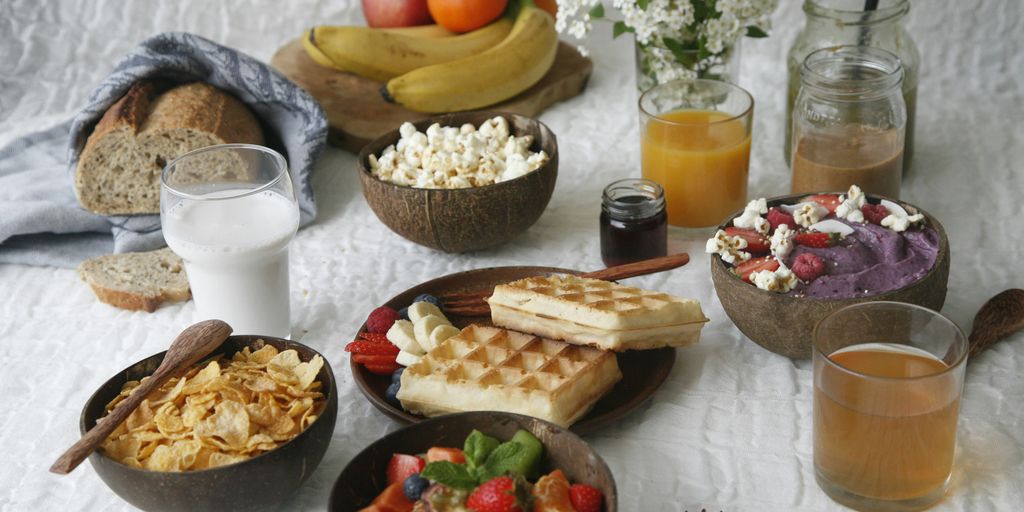
Starting your day the Mediterranean way is easier than you think! It’s all about fresh ingredients and simple preparations. Forget sugary cereals and processed pastries; we’re talking vibrant, nourishing breakfasts that will keep you energized until lunchtime. Let’s explore some delicious and easy options.
Greek Yogurt Parfait Creations
Greek yogurt is a breakfast superstar. It’s packed with protein and probiotics, making it a great base for a Mediterranean-inspired parfait. Layer it with fresh berries, a drizzle of honey, and a sprinkle of nuts for a satisfying and healthy start. You can also add a spoonful of chia seeds for an extra boost of fiber and omega-3s. Get creative with your toppings! Try adding chopped figs, pomegranate seeds, or a sprinkle of cinnamon. For a quick 15-minute breakfast, this is a winner.
Savory Avocado Toast with Tomato
Avocado toast has become a breakfast staple, and it fits perfectly into the Mediterranean diet. Mash some avocado on whole-grain toast and top it with sliced tomatoes, a sprinkle of sea salt, and a drizzle of olive oil. For an extra layer of flavor, add a sprinkle of feta cheese or a few Kalamata olives. You can also add a poached egg for extra protein. It’s a simple, satisfying, and nutritious breakfast that’s ready in minutes.
Hearty Whole-Grain Oatmeal
Oatmeal is a classic breakfast choice, and it’s a great way to incorporate whole grains into your diet. Cook your oatmeal with water or milk (dairy or non-dairy) and top it with fresh fruit, nuts, and seeds. A drizzle of honey or maple syrup adds a touch of sweetness. For a Mediterranean twist, try adding chopped dates, figs, or a sprinkle of cinnamon. Oatmeal is a blank canvas, so feel free to experiment with different flavors and toppings.
Mediterranean Scrambled Eggs
Scrambled eggs are a quick and easy breakfast option, and they can be easily adapted to the Mediterranean diet. Sauté some vegetables like spinach, onions, and bell peppers in olive oil, then add your scrambled eggs. Top with crumbled feta cheese and a sprinkle of fresh herbs like oregano or basil. Serve with a side of whole-grain toast for a complete and satisfying breakfast. This is a great way to sneak in extra vegetables and protein into your morning meal.
Flavorful Mediterranean Diet Recipes for Lunch
Lunch doesn’t have to be a sad desk salad! The Mediterranean diet offers so many vibrant and satisfying options that will keep you energized throughout the afternoon. It’s all about fresh ingredients and simple preparations. I’ve found that prepping some components ahead of time, like cooking a batch of lentils or chopping veggies, makes putting together a delicious and healthy lunch a breeze during the week. These recipes are designed to be both flavorful and packed with nutrients, so you can feel good about what you’re eating.
Refreshing Chickpea Salad
Forget boring salads! This chickpea salad is bursting with flavor and texture. I like to mash some of the chickpeas for a creamier consistency, then mix in diced cucumber, bell pepper, red onion, and fresh herbs like parsley and mint. A simple lemon-tahini dressing ties it all together. You can serve it on its own, stuff it in pita bread, or enjoy it over a bed of greens. It’s also a great way to incorporate plant-based sources of fat into your diet.
Satisfying Tuna and White Bean Salad
This is a Mediterranean twist on a classic tuna salad. Instead of mayonnaise, I use olive oil, lemon juice, and Dijon mustard for a lighter and brighter flavor. Cannellini beans add a creamy texture and extra protein. I also like to add chopped celery, red onion, and capers for a bit of crunch and tang. Serve it on whole-grain crackers, in a lettuce wrap, or as a sandwich filling. It’s a quick and easy lunch that’s both satisfying and nutritious. I usually make a big batch of this on Sunday to have for lunches during the week. It keeps well in the fridge for a few days.
Vibrant Fattoush Salad
Fattoush is a Lebanese bread salad that’s packed with fresh vegetables and herbs. The key ingredient is toasted or fried pita bread, which adds a satisfying crunch. I like to use a variety of colorful vegetables, such as tomatoes, cucumbers, bell peppers, radishes, and lettuce. Fresh mint and parsley add a refreshing flavor. The dressing is a simple vinaigrette made with olive oil, lemon juice, garlic, and sumac. This salad is a great way to use up leftover pita bread and enjoy a light and flavorful lunch. The crunchy pita chips really make this salad special!
Wholesome Lentil Kale Soup
On a chilly day, nothing beats a warm and hearty bowl of lentil kale soup. This soup is packed with protein, fiber, and nutrients. I start by sautéing onions, carrots, and celery in olive oil. Then, I add lentils, vegetable broth, diced tomatoes, and chopped kale. I season it with garlic, cumin, and smoked paprika for a rich and flavorful broth. Simmer until the lentils are tender and the kale is wilted. This soup is even better the next day, as the flavors have time to meld together. It’s a great make-ahead lunch option that’s both healthy and comforting. This is a great way to enjoy authentic recipes from the Mediterranean.
Wholesome Mediterranean Diet Recipes for Dinner
Dinner is where the Mediterranean diet really shines. It’s all about fresh ingredients, simple preparations, and big flavors. Forget heavy, complicated meals – these recipes are designed to be both satisfying and good for you. I’ve found that focusing on dinner makes it easier to stick to the diet overall.
Baked Salmon with Fresh Herbs
This dish is a weeknight winner. Salmon is packed with omega-3 fatty acids, and baking it with fresh herbs keeps it light and flavorful. I usually serve it with a side of quinoa or roasted vegetables. It’s so easy to throw together, and it always feels like a treat. Here’s a simple way to prepare it:
- Preheat your oven to 375°F (190°C).
- Place salmon fillets on a baking sheet lined with parchment paper.
- Drizzle with olive oil, lemon juice, and sprinkle with chopped dill, parsley, and thyme.
- Bake for 12-15 minutes, or until the salmon is cooked through.
Classic Eggplant Parmesan
Okay, so maybe "classic" isn’t exactly Mediterranean, but this version uses less cheese and focuses on the eggplant and tomato sauce. Roasting the eggplant instead of frying it cuts down on the fat. It’s a comforting dish that still fits within the diet’s guidelines. I like to use fresh mozzarella sparingly for that cheesy goodness. This is a great way to use up extra tomatoes from the garden, too. You can even add some zucchini or bell peppers to the sauce for extra veggies.
Simple Grilled Fish
Grilling fish is a super quick and healthy way to get dinner on the table. Any white fish works well – cod, sea bass, or even tilapia. A simple marinade of olive oil, lemon juice, garlic, and herbs is all you need. Serve it with a side of grilled vegetables or a fresh salad for a complete meal. I love how the grill gives the fish a slightly smoky flavor. Plus, cleanup is a breeze!
Authentic Chicken Tagine
This dish is a bit more involved, but it’s totally worth the effort. A tagine is a North African stew, and this chicken version is packed with flavor from spices like cumin, coriander, and turmeric. The chicken is cooked with vegetables like onions, carrots, and zucchini, and often includes dried fruits like apricots or raisins for a touch of sweetness. It’s a hearty and satisfying meal that’s perfect for a chilly evening. Serve it with couscous or quinoa to soak up all the delicious sauce. It’s a great way to try Mediterranean recipes that are a little different.
Delightful Mediterranean Diet Snacks and Desserts
Let’s be real, sticking to a diet can be tough, especially when those snack cravings hit. But the Mediterranean diet? It’s got you covered with some seriously tasty and healthy options. And dessert? You don’t have to skip it! It’s all about balance and choosing the right things. Think fresh, natural sweetness and satisfying textures. You can indulge without the guilt.
Creamy Hummus with Crisp Vegetables
Hummus and veggies are a classic for a reason. It’s quick, easy, and super satisfying. The combination of creamy hummus and crunchy vegetables is a winner. I usually keep a container of hummus in the fridge for those moments when I need a little something to tide me over. It’s way better than reaching for chips or something processed. Here’s what I usually dip:
- Carrot sticks
- Cucumber slices
- Bell pepper strips
- Celery sticks
Refreshing Fresh Fruit Platters
Forget those sugary, processed snacks. A fruit platter is where it’s at! It’s colorful, hydrating, and packed with vitamins. Plus, it’s a great way to use up whatever fruit you have on hand. I like to arrange mine so it looks pretty, too. Makes it feel a little more special. Some of my go-to fruits include:
- Watermelon
- Grapes
- Berries
- Figs
Nutrient-Rich Olives and Nuts
Olives and nuts are a great source of healthy fats and can help keep you feeling full and satisfied. A small handful is all you need. I like to keep a little bowl of mixed nuts on my desk for when I need a little energy boost in the afternoon. Just be careful not to overdo it, since they are calorie-dense. Here are some good choices:
- Almonds
- Walnuts
- Pistachios
- Kalamata olives
Light Yogurt with Honey
Okay, this is my go-to dessert when I’m craving something sweet but don’t want to blow my diet. Plain Greek yogurt is packed with protein, and a drizzle of honey adds just the right amount of sweetness. You can also add some berries or a sprinkle of nuts for extra flavor and texture. It’s simple, satisfying, and totally guilt-free. I usually use local raw honey for the best flavor.
Wrapping It Up: Your Mediterranean Journey
So, there you have it. The Mediterranean diet isn’t just about what you eat; it’s a whole vibe, really. It’s about enjoying fresh, simple food, sharing meals, and just living a little healthier. You don’t have to go all-in overnight. Start small, maybe swap out some white bread for whole grain, or try a new fish recipe. Every little bit helps. This way of eating can make a real difference in how you feel, giving you more energy and helping you stay well. Give it a shot, and see how good healthy eating can taste!




Prosecutors Say Jason Finkelstein Spent 11 Seconds Reviewing Cardiac Images Before Clearing a Teenage Athlete

Prosecutors Say Jason Finkelstein Spent 11 Seconds Reviewing Cardiac Images Before Clearing a Teenage Athlete
Prosecutors Say Jason Finkelstein Spent 11 Seconds Reviewing Cardiac Images Before Clearing a Teenage Athlete
Prosecutors Say Jason Finkelstein Spent 11 Seconds Reviewing Cardiac Images Before Clearing a Teenage Athlete

Prosecutors Say Jason Finkelstein Spent 11 Seconds Reviewing Cardiac Images Before Clearing a Teenage Athlete
Prosecutors Say Jason Finkelstein Spent 11 Seconds Reviewing Cardiac Images Before Clearing a Teenage Athlete

Prosecutors Say Jason Finkelstein Spent 11 Seconds Reviewing Cardiac Images Before Clearing a Teenage Athlete
Prosecutors Say Jason Finkelstein Spent 11 Seconds Reviewing Cardiac Images Before Clearing a Teenage Athlete
Prosecutors Say Jason Finkelstein Spent 11 Seconds Reviewing Cardiac Images Before Clearing a Teenage Athlete

Prosecutors Say Jason Finkelstein Spent 11 Seconds Reviewing Cardiac Images Before Clearing a Teenage Athlete
Prosecutors Say Jason Finkelstein Spent 11 Seconds Reviewing Cardiac Images Before Clearing a Teenage Athlete
Prosecutors Say Jason Finkelstein Spent 11 Seconds Reviewing Cardiac Images Before Clearing a Teenage Athlete
Prosecutors Say Jason Finkelstein Spent 11 Seconds Reviewing Cardiac Images Before Clearing a Teenage Athlete

Prosecutors Say Jason Finkelstein Spent 11 Seconds Reviewing Cardiac Images Before Clearing a Teenage Athlete
Prosecutors Say Jason Finkelstein Spent 11 Seconds Reviewing Cardiac Images Before Clearing a Teenage Athlete

-
Alternative Energy5 days ago
Brian Rowan’s Possible Defense: No Intent, No Control, No Fraud, Just Sales
-
Alternative Energy5 days ago
Federal Grand Jury Indicts Oren Shachar in Hospice Fraud Case
-
Business4 days ago
How Darrell Seale Builds High-Performing Teams Through Service-Based Leadership
-
Education4 days ago
Daniel Cullen Delafield on Bridging Executive Leadership and Skilled Trades Development
-

 News2 days ago
Prosecutors Say Jason Finkelstein Spent 11 Seconds Reviewing Cardiac Images Before Clearing a Teenage Athlete
-
News2 days ago
Prosecutors Say Jason Finkelstein Spent 11 Seconds Reviewing Cardiac Images Before Clearing a Teenage Athlete
-
News2 days ago
Prosecutors Say Jason Finkelstein Spent 11 Seconds Reviewing Cardiac Images Before Clearing a Teenage Athlete
-
News2 days ago
Prosecutors Say Jason Finkelstein Spent 11 Seconds Reviewing Cardiac Images Before Clearing a Teenage Athlete