
Historical Events
Remembering the Devastation: The 1937 Flood in Louisville, KY


The 1937 flood in Louisville, KY, was a really big deal, changing the city in major ways. It wasn’t just a regular flood; it was a huge natural disaster that left a lasting mark on the community and its people. This event, often talked about in hushed tones, reshaped Louisville and showed how resilient its residents could be. It’s a story of struggle, coming together, and rebuilding.
Key Takeaways
- The 1937 flood in Louisville, KY, was massive, putting most of the city underwater and forcing many people from their homes.
- Personal stories from survivors show how tough things were, with families losing everything but also finding strength in each other.
- After the water went down, Louisville worked hard to rebuild, and the flood changed how the city was planned and protected.
- The 1937 flood became a benchmark event for Louisville, shaping its history and influencing future disaster planning.
- Lots of photos, diaries, and stories from the time help us remember and understand the huge impact of the 1937 flood in Louisville, KY.
The Unprecedented Scale of the 1937 Flood
The 1937 flood wasn’t just a high-water event; it was a catastrophe that reshaped the Ohio River Valley and left an indelible mark on Louisville. It’s hard to imagine the sheer scale of the disaster now, but it was truly something else. The Ohio River swelled to levels never seen before, and the impact was felt for miles around. It’s important to remember just how devastating this flood was, not just for Louisville, but for the entire region. The flood’s impact was widespread.
Biblical Proportions of the Ohio River
The Ohio River’s rise in 1937 wasn’t just a little over the banks; it was an inundation of biblical proportions. The river crested at a staggering 57.1 feet in Louisville, nearly 30 feet above flood stage. To put that in perspective, the previous record, set in 1884, was shattered by a full 11 feet. The sheer volume of water turned streets into rivers and submerged entire neighborhoods. It wasn’t just a flood; it was a complete takeover by the river. The Ohio River was above flood stage for 23 days, a relentless deluge that tested the limits of the city and its people.
Louisville: The Hardest Hit City
While the entire Ohio River Valley suffered, Louisville bore the brunt of the 1937 flood. Two-thirds of the city was underwater, crippling infrastructure and displacing thousands. Louisville was the hardest hit city along the Ohio River. The city’s infrastructure was simply not prepared for such an event. Businesses were devastated, homes were ruined, and the entire city was brought to a standstill. The flood exposed the city’s vulnerabilities and highlighted the need for better flood control measures.
Widespread Devastation Across the Ohio River Valley
The devastation wasn’t confined to Louisville. The flood impacted over 150 cities and towns along the Ohio River, from Pittsburgh to Cairo, Illinois. Hundreds of thousands were driven from their homes, and the death toll reached approximately 385. The economic impact was staggering, with property losses exceeding $500 million (in 1937 dollars!). The flood exposed the vulnerability of the entire region and underscored the interconnectedness of communities along the river. The Ohio River floods were a regional disaster.
Personal Accounts of the 1937 Flood in Louisville, KY
The 1937 flood wasn’t just about rising water levels and economic damage; it was a deeply personal tragedy for countless individuals and families in Louisville. Their stories of survival, loss, and resilience paint a vivid picture of what it was like to live through this historic disaster.
Evacuation and Displacement Experiences
Imagine being forced to leave your home in the dead of winter, not knowing when, or if, you’d ever return. That was the reality for many Louisville residents during the 1937 flood. Families were uprooted, crammed into temporary shelters, and faced with the uncertainty of finding food and safety. One man, Miller, recalled being rushed out of his house in his nightclothes and taken to safety on a flatbed wagon. His family eventually stayed with his grandmother, but even that wasn’t a guarantee of safety from the rising waters. Evacuation experiences were traumatic, especially for children who didn’t understand the scale of the disaster.
Memories of Loss and Resilience
The flood took more than just homes; it took livelihoods, possessions, and a sense of security. The emotional toll on residents was immense, with many losing everything they owned. But amidst the devastation, stories of resilience emerged. People helped each other, shared what little they had, and found the strength to carry on. One author, Rick Bell, grew up hearing stories of the flood and how his family had to burn antique furniture to keep his infant brother warm. These memories, passed down through generations, serve as a testament to the human spirit’s ability to endure even the most challenging circumstances.
Community Support and Aid Efforts
In the face of widespread destruction, the community rallied together to provide support and aid to those in need. The American Red Cross played a crucial role, setting up shelters and distributing food and supplies. Neighbors helped neighbors, offering a helping hand and a shoulder to cry on. The collective effort to rebuild and recover showcased the strength and compassion of the Louisville community. Sis Marker, for example, went to work at the Confederate Home in Pewee Valley, which had been converted into a shelter, to help with the Red Cross efforts.
The Aftermath and Recovery in Louisville
The 1937 flood left Louisville in ruins. It wasn’t just about the water receding; it was about picking up the pieces and rebuilding a city that had been brought to its knees. The recovery was a long and arduous process, marked by both immense challenges and incredible acts of resilience.
Rebuilding a Devastated City
Rebuilding Louisville was a massive undertaking. The flood had damaged homes, businesses, and infrastructure, leaving the city in a state of disrepair. The initial focus was on restoring essential services like water and electricity, which were crucial for residents to return and begin the cleanup. The scale of the damage required a coordinated effort involving local, state, and federal resources. Here’s a glimpse of the immediate actions:
- Clearing debris and sanitizing affected areas to prevent disease.
- Repairing damaged roads and bridges to restore transportation networks.
- Providing temporary housing and assistance to displaced families.
Long-Term Impact on Residents
The flood’s impact went far beyond the physical damage. It left deep scars on the residents of Louisville. Many lost their homes, businesses, and possessions. The emotional toll was significant, with many experiencing trauma and grief. The recovery process was not just about rebuilding structures; it was about helping people rebuild their lives. The waterproof structural adhesives market was essential for the reconstruction of buildings and infrastructure.
- Financial hardships due to job losses and property damage.
- Emotional distress and mental health challenges.
- Displacement and the struggle to find new homes.
The City’s Transformation Post-Flood
In a strange way, the 1937 flood became a turning point for Louisville. It forced the city to re-evaluate its infrastructure and implement measures to prevent future disasters. New building codes were introduced, and flood control systems were improved. The flood also fostered a sense of community and resilience that continues to shape Louisville today. The disaster became a benchmark; modern Louisville started with it. The city was underwater, with record-breaking river levels, but the citizens fought through the hardships.
- Improved flood control measures, such as levees and floodwalls.
- Modernized infrastructure to withstand future disasters.
- A stronger sense of community and preparedness.
Historical Context and Significance of the 1937 Flood
The 1937 flood wasn’t just a disaster; it was a turning point. It reshaped how Louisville thought about infrastructure, disaster preparedness, and community resilience. It’s hard to overstate its impact.
A Benchmark Event for Louisville
The 1937 flood became a defining moment, etching itself into the city’s collective memory. Like the San Francisco earthquake or the Baltimore fire, it marked a before-and-after line in Louisville’s history. The city had to rebuild, rethink, and reimagine itself. The Ohio River flood served as a harsh lesson, prompting significant changes in flood control and urban planning. It’s a story of devastation, but also of rebirth.
Comparison to Other Major Disasters
While every disaster is unique, comparing the 1937 flood to others helps us understand its scale. Consider Hurricane Katrina’s impact on New Orleans, or the more recent flooding events across the Midwest. The 1937 flood, however, stands out due to its sheer geographical reach, affecting numerous cities and towns along the Ohio River. It wasn’t just one city; it was an entire region brought to its knees. The flood’s impact rivaled some of the worst natural disasters in U.S. history, prompting a national response and long-term recovery efforts.
The Great Depression’s Influence on Recovery
The Great Depression cast a long shadow over the recovery efforts. Resources were already scarce, and the flood only compounded the economic hardship. Imagine trying to rebuild a city when jobs are scarce and money is tight. The federal government’s role became even more critical, with New Deal programs providing much-needed assistance. The recovery was slow and challenging, but it also demonstrated the resilience of the community in the face of overwhelming odds. The combination of the flood and the depression created a unique set of challenges that tested the limits of human endurance.
Here’s a quick look at some of the challenges:
- Limited financial resources
- Widespread unemployment
- Strain on existing infrastructure
- Difficulty securing building materials
Documenting the 1937 Flood in Louisville, KY
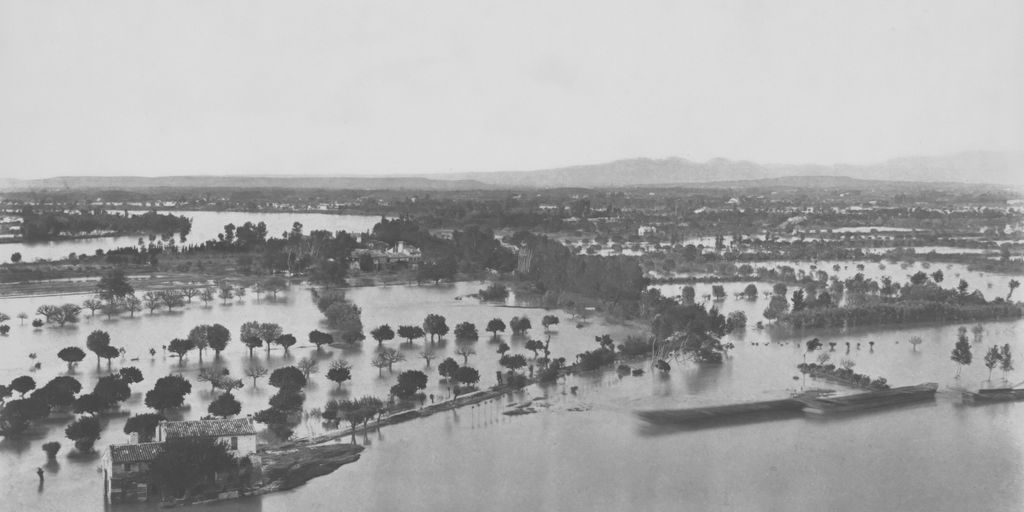
The 1937 flood wasn’t just a moment in time; it became a defining chapter in Louisville’s history. Thankfully, we have many ways to look back and understand the magnitude of what happened. From photographs to personal stories, these records help us remember and learn from the past.
Archived Photographs and Records
The Ekstrom Library at the University of Louisville holds an impressive collection of archived flood photos. These images, along with maps and documents, offer a glimpse into the disaster. A lot of the material was donated by individuals, but some local photography companies also saved negatives and donated their collections. These photos are important because they are the only remaining record of some of the buildings that once stood in downtown Louisville. You can see the flood devastation in these photos.
Personal Recollections and Diaries
Beyond official records, the personal stories of those who lived through the flood are invaluable. These accounts capture the human side of the disaster, detailing the struggles, losses, and acts of kindness that defined the experience. Diaries, letters, and oral histories provide a powerful way to connect with the past. These stories show the Ohio River floods impact on the community.
The Role of Authors and Historians
Authors and historians have played a crucial role in preserving the memory of the 1937 flood. Through books, articles, and documentaries, they have analyzed the event, shared personal narratives, and explored its lasting impact on Louisville. These works help us understand the historical significance of the flood and its place in the city’s identity. They help us understand the historical significance of the flood.
Key Facts and Figures of the 1937 Flood
Record-Breaking River Levels
Okay, so the 1937 flood? It wasn’t just a little high water. The Ohio River went completely bonkers. Louisville got hit the worst, with the river cresting at a staggering 57.1 feet on the upper gauge on January 27th. To put that in perspective, that’s nearly 30 feet above flood stage! The previous record, set way back in 1884, was shattered by a whole 11 feet. Downriver in Paducah, it got even higher, hitting 60.6 feet on February 2nd. It was a mess. You can see how this event became a Louisville benchmark.
Precipitation and Flood Duration
It rained. A LOT. I mean, seriously, January 1937 saw about four times the normal amount of rain in the Ohio River Valley area. There were only eight days that month where Louisville didn’t record any rain. The worst of it came between January 13th and 24th, and the river just kept rising. The Ohio River stayed above flood stage for a solid 23 days, from Pittsburgh all the way down to Cairo, Illinois. Just imagine that kind of constant water pressure.
Economic Impact and Property Losses
This wasn’t just a wet inconvenience; it was a financial catastrophe. Property losses topped $500 million back then – and that’s in 1937 dollars! More than 60% of Louisville was underwater, and power was out everywhere. Businesses were ruined. Places like the Rose Island amusement park, a huge 118-acre spot, were completely destroyed and never rebuilt. The flood contributed to the study and control of health problems. It’s hard to even imagine the scale of the devastation.
Here’s a quick breakdown:
- Property Losses: Over $500 million (1937 dollars)
- Days Above Flood Stage: 23
- Percentage of Louisville Underwater: Over 60%
The 1937 Flood: A Lasting Mark on Louisville
So, what does all this mean for us today? The 1937 flood wasn’t just some old event; it really changed Louisville. It showed how tough people can be when things get bad. Folks lost so much, but they also came together in a big way. You can still see the effects of that time in how the city is built and how people here think about big storms. It’s a reminder that even when nature throws its worst at us, communities can bounce back, stronger than before. It’s a story that sticks with you, for sure.




Prosecutors Say Jason Finkelstein Spent 11 Seconds Reviewing Cardiac Images Before Clearing a Teenage Athlete

Prosecutors Say Jason Finkelstein Spent 11 Seconds Reviewing Cardiac Images Before Clearing a Teenage Athlete
Prosecutors Say Jason Finkelstein Spent 11 Seconds Reviewing Cardiac Images Before Clearing a Teenage Athlete
Prosecutors Say Jason Finkelstein Spent 11 Seconds Reviewing Cardiac Images Before Clearing a Teenage Athlete

Prosecutors Say Jason Finkelstein Spent 11 Seconds Reviewing Cardiac Images Before Clearing a Teenage Athlete
Prosecutors Say Jason Finkelstein Spent 11 Seconds Reviewing Cardiac Images Before Clearing a Teenage Athlete

Prosecutors Say Jason Finkelstein Spent 11 Seconds Reviewing Cardiac Images Before Clearing a Teenage Athlete
Prosecutors Say Jason Finkelstein Spent 11 Seconds Reviewing Cardiac Images Before Clearing a Teenage Athlete
Prosecutors Say Jason Finkelstein Spent 11 Seconds Reviewing Cardiac Images Before Clearing a Teenage Athlete

Prosecutors Say Jason Finkelstein Spent 11 Seconds Reviewing Cardiac Images Before Clearing a Teenage Athlete
Prosecutors Say Jason Finkelstein Spent 11 Seconds Reviewing Cardiac Images Before Clearing a Teenage Athlete
Prosecutors Say Jason Finkelstein Spent 11 Seconds Reviewing Cardiac Images Before Clearing a Teenage Athlete
Prosecutors Say Jason Finkelstein Spent 11 Seconds Reviewing Cardiac Images Before Clearing a Teenage Athlete

Prosecutors Say Jason Finkelstein Spent 11 Seconds Reviewing Cardiac Images Before Clearing a Teenage Athlete
Prosecutors Say Jason Finkelstein Spent 11 Seconds Reviewing Cardiac Images Before Clearing a Teenage Athlete

-
Alternative Energy4 days ago
Brian Rowan’s Possible Defense: No Intent, No Control, No Fraud, Just Sales
-
Alternative Energy4 days ago
Federal Grand Jury Indicts Oren Shachar in Hospice Fraud Case
-
Education4 days ago
Daniel Cullen Delafield on Bridging Executive Leadership and Skilled Trades Development
-
Business4 days ago
How Darrell Seale Builds High-Performing Teams Through Service-Based Leadership
-

 News2 days ago
Prosecutors Say Jason Finkelstein Spent 11 Seconds Reviewing Cardiac Images Before Clearing a Teenage Athlete
-
News1 day ago
Prosecutors Say Jason Finkelstein Spent 11 Seconds Reviewing Cardiac Images Before Clearing a Teenage Athlete
-
News1 day ago
Prosecutors Say Jason Finkelstein Spent 11 Seconds Reviewing Cardiac Images Before Clearing a Teenage Athlete
-
News2 days ago
Prosecutors Say Jason Finkelstein Spent 11 Seconds Reviewing Cardiac Images Before Clearing a Teenage Athlete