
Relationships
Navigating Common Introvert-Extrovert Relationship Problems


Relationships are a mix of good and bad, right? When you’ve got an introvert and an extrovert together, it can be really interesting. It’s like two totally different ways of seeing the world coming together. This article will help you understand some common introvert-extrovert relationship problems and how to make things work better. We’ll look at how these different personalities can cause friction and, more importantly, how to get past it. It’s all about finding that sweet spot where both people feel happy and understood.
Key Takeaways
- Introverts and extroverts are drawn to each other because they offer different things, but these differences can also lead to common introvert-extrovert relationship problems.
- Good communication is super important for introvert-extrovert couples; it helps bridge the gap between their different ways of processing things.
- Finding a balance in social life means respecting the introvert’s need for quiet time and the extrovert’s need for connection with others.
- Many ideas about introvert-extrovert couples are just myths; these relationships can be very strong and healthy.
- Building a lasting introvert-extrovert relationship means being open to compromise and making sure each person feels supported and understood.
Understanding the Core Differences in Introvert-Extrovert Relationships
The Pull of Opposites: Why Introverts and Extroverts Attract
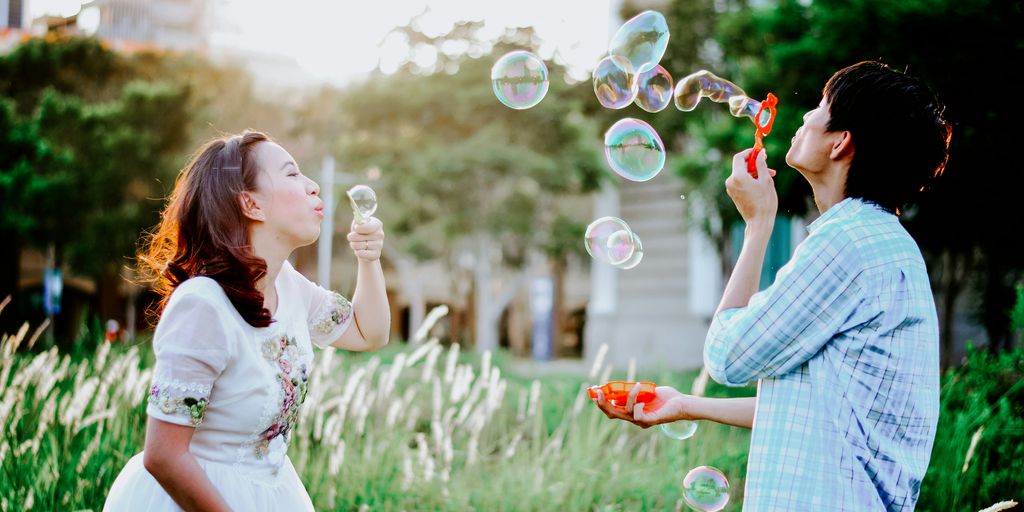
Okay, so you’ve got the classic introvert-extrovert pairing. What’s the deal? Why do these seemingly opposite personalities even click in the first place? Well, it’s often about balance. Extroverts can bring a sense of adventure and spontaneity, while introverts offer a calming, thoughtful presence. It’s like a yin and yang thing. The extrovert might encourage the introvert to step outside their comfort zone, while the introvert helps the extrovert slow down and appreciate the quieter moments. It’s not always smooth sailing, but the potential for growth and enrichment is definitely there. Think of it as the extrovert introducing the introvert to new social gatherings, and the introvert showing the extrovert the beauty of a peaceful evening.
Differences Within the Spectrum: The Variety of Introvert and Extrovert Types
It’s easy to fall into the trap of thinking all introverts are shy bookworms and all extroverts are party animals. But the truth is, there’s a whole spectrum of personalities within each category. You’ve got social introverts who enjoy small gatherings with close friends, anxious introverts who prefer solitude due to social unease, assertive extroverts who are confident but not necessarily attention-seeking, and enthusiastic extroverts who thrive in the spotlight.
To make it clearer, here’s a quick breakdown:
- Social Introvert: Enjoys meaningful interactions but needs alone time to recharge.
- Anxious Introvert: Prefers solitude due to social anxiety.
- Assertive Extrovert: Confident and sociable, but doesn’t crave the spotlight.
- Enthusiastic Extrovert: Loves being the center of attention and seeks out social events.
Understanding these nuances is key. Not all extroverts are the same, and neither are all introverts. Recognizing where your partner falls on the spectrum can help you better understand their needs and communication style. It’s not just about labels; it’s about recognizing individual differences. It’s important to remember that the spectrum of introversion and extroversion is vast, with each individual having their own unique blend. It’s not just about balance; it’s about mutual respect.
Recognizing the Dynamics: Navigating Contrasting Personalities
So, you’re in an introvert-extrovert relationship. Now what? The first step is recognizing that your partner’s personality is different from yours, and that’s okay. Instead of trying to change them, focus on understanding their perspective. Extroverts often process information verbally, while introverts need time to reflect internally. This can lead to communication challenges if you’re not aware of these differences. For example, an extrovert might want to talk through a problem immediately, while an introvert might need time to process before responding. The key is to find a middle ground that works for both of you. This might mean setting aside dedicated time for conversations, or allowing the introvert to have some quiet time before discussing sensitive topics. Remember, it’s about effective boundaries and respecting each other’s needs. It’s not always easy, but with open communication and a willingness to compromise, you can create a healthy and fulfilling relationship. It’s about understanding how introverts and extroverts differ in their approach to relationships.
Bridging the Communication Gap in Introvert-Extrovert Dynamics
Mind the Communication Gap: Talking Versus Processing
Okay, so here’s the deal: introverts and extroverts? We process stuff totally differently. Extroverts, they think out loud, bouncing ideas off anyone who’ll listen. It’s how they figure things out. Introverts? We need time to mull things over, go internal, and sort it all out in our heads before we even think about talking. This difference can lead to some serious misunderstandings if you’re not careful.
Like, an extrovert might see an introvert’s silence as disinterest or disagreement, while the introvert is just, you know, thinking. And the introvert might see the extrovert’s constant chatter as overwhelming or even annoying. It’s all about understanding where the other person is coming from. I’ve been there, trust me. My partner is an extrovert, and sometimes I just need him to stop talking for five minutes so I can actually process what he’s saying! It’s a work in progress, for sure.
Tips for Effective Introvert-Extrovert Communication: How to Ensure Both Voices are Heard
So, how do you actually make this work? Here are a few things that have helped me:
- Active Listening: This isn’t just about hearing the words; it’s about really trying to understand the other person’s perspective. Ask questions, summarize what they’ve said, and show that you’re engaged. It’s a game changer.
- Scheduled Check-ins: Set aside specific times to talk about important stuff. This gives the introvert time to prepare and the extrovert a guaranteed opportunity to share their thoughts. It doesn’t have to be formal, just a dedicated time to connect.
- Respecting Silence: For the extroverts out there, give your introverted partner the space they need to think. Don’t pressure them to respond immediately. Sometimes, silence is golden. For the introverts, try to give your extroverted partner some kind of signal that you are listening, even if you’re not ready to talk yet. A nod, a smile, something to let them know you’re still engaged.
- Compromise: It’s not always easy, but meeting in the middle is key. Maybe the extrovert can try to be a bit more mindful of the introvert’s need for quiet, and the introvert can try to be a bit more open to sharing their thoughts. It’s a two-way street.
Speaking Your Truth: Clearly Communicating Needs and Desires
Okay, this is a big one. You have to be able to communicate your needs clearly, even if it feels uncomfortable. For introverts, this might mean pushing yourself to speak up, even when you’d rather just stay silent. For extroverts, it might mean learning to listen without interrupting or offering unsolicited advice.
Here’s the thing: no one can read your mind. If you don’t tell your partner what you need, they’re never going to know. And resentment will build up, and that’s never good. So, be honest, be direct, and be respectful. It’s not always easy, but it’s worth it in the long run. For example, if you need some alone time, say so! Don’t just disappear without a word. And if you’re feeling overwhelmed by social interaction, let your partner know. They’ll understand, or at least they should if they care about you.
Navigating Social Settings and Energy Needs
It’s a classic introvert-extrovert relationship challenge: balancing social time with the need for personal space. Extroverts often thrive in social settings, gaining energy from interactions, while introverts need solitude to recharge. Finding a middle ground that respects both needs is key to a happy relationship. It’s not always easy, but with open communication and a willingness to compromise, it’s totally doable.
Honor the Social Compromise: Finding Balance in Social Engagements
Compromise is the name of the game. Extroverts might need to dial back the frequency of social outings, and introverts might need to step outside their comfort zone more often. The goal is to find a balance where both partners feel heard and valued. Maybe it’s attending one big party a month instead of every weekend, or the introvert agrees to stay for the first couple of hours before heading home to recharge. It’s about give and take, and understanding that each person’s needs are valid. Think of it as a social contract you both agree on, and revisit it as needed.
Finding Alone Time: Respecting the Introvert’s Need to Recharge
Introverts recharge by spending time alone, it’s just how they are wired. It’s not personal, it’s a necessity. The extrovert needs to respect this need for solitude and not take it as a rejection. Maybe the introvert needs an hour or two after work to decompress before engaging with anyone. Or perhaps they need a whole day on the weekend to themselves. Creating a safe space where the introvert can retreat without feeling guilty or pressured is super important. The extrovert can use this time to pursue their own interests or connect with friends, ensuring both partners’ needs are met.
Engaging in Social Activities: Ensuring the Extrovert Feels Connected
On the flip side, extroverts need social interaction to feel energized and connected. It’s important for introverts to recognize this need and be willing to participate in social activities, even if it’s not their favorite thing. It doesn’t mean the introvert has to become a social butterfly, but showing up and being present can make a big difference. Maybe the introvert can suggest activities they both enjoy, like going to a small gathering with close friends or attending a concert. The key is to find social activities that are manageable and enjoyable for both partners, ensuring the extrovert feels loved and connected. It’s about finding activities that allow the extrovert to feel fulfilled without overwhelming the introvert.
Debunking Common Misconceptions About Introvert-Extrovert Couples

It’s easy to fall into stereotypes when thinking about introverts and extroverts, especially in relationships. Let’s bust some of these myths wide open. It’s time to ditch the oversimplified ideas and look at the reality of how these dynamics actually play out.
Myth 1: Extroverts Always Drag Introverts to Parties
This one’s a classic. The image of the extrovert partner constantly forcing the introvert into unwanted social situations is pretty common, but it’s usually not true. Many extroverts are totally fine with, and even enjoy, spending quiet time with their introverted partners. Plus, a good partner respects the other’s boundaries. It’s about finding a balance, not a constant tug-of-war. If you are looking for characteristics of extroverts, there are many resources available.
Myth 2: Introverts Don’t Like Socializing
Okay, this is a big one. Introverts do like socializing, just in a different way. They aren’t necessarily anti-social. They just prefer smaller groups, deeper conversations, and need time to recharge after social interaction. It’s about the type of socializing, not the act itself. Introverts appreciate meaningful conversations; they’re just selective about the time, place, and company.
Myth 3: Extroverts are Loud, and Introverts are Always Shy
These are personality traits, not volume controls! Extroversion and introversion describe how people get their energy, not how loud or shy they are. An introvert can be outgoing in comfortable settings, and extroverts can enjoy moments of silence. It’s all about the context. You might even find an introvert extrovert relationship therapist to help you navigate these dynamics.
Strategies for Sustaining a Healthy Introvert-Extrovert Relationship
Compromise and Understanding: The Foundation of Success
Relationships between introverts and extroverts can be amazing, but they need work. The most important thing is to understand where the other person is coming from. It’s not about changing them, but about meeting in the middle. Here are some things that can help:
- Talk about your needs. Don’t expect your partner to guess what you want. Be clear and honest.
- Listen to your partner. Really listen. Try to see things from their point of view.
- Be willing to give and take. Sometimes you’ll need to go to a party, and sometimes you’ll need to stay home. That’s just how it is.
Creating a Safe Space: Supporting Individual Needs
Everyone needs a place where they can be themselves. For introverts, that might be a quiet room where they can recharge. For extroverts, it might be a place where they can be around people and feel energized. It’s important to respect individual needs and create a space where both partners feel comfortable. Here’s how:
- Designate a quiet area in your home for the introvert to retreat to.
- Encourage the extrovert to pursue social activities that make them happy.
- Make sure both partners have time for themselves, even if it means spending time apart.
Seeking External Support: When to Consider Therapy
Sometimes, even with the best intentions, relationships can be tough. If you’re struggling to communicate or understand each other, it might be time to seek external support. A therapist can help you improve communication skills and work through any issues you’re facing. Don’t be afraid to ask for help. It doesn’t mean your relationship is failing; it just means you’re committed to making it work. Consider therapy if:
- You’re constantly arguing or misunderstanding each other.
- You feel like your needs aren’t being met.
- You’re struggling to communicate effectively.
Embracing the Strengths of Opposing Personalities
It’s easy to focus on the challenges in introvert-extrovert relationships, but let’s flip the script! There’s a lot of good stuff that comes from these pairings. It’s all about seeing the value in what your partner brings to the table, even if it’s different from what you’re used to.
The Benefits of Dating an Extrovert: Expanding Horizons
Extroverts can really push introverts outside their comfort zones in a good way. My friend Sarah, who’s an introvert, always says her extroverted partner, Mark, has helped her try new things she never would have considered. Think spontaneous road trips, trying new restaurants, or even just striking up conversations with strangers. It’s not about forcing anything, but gently encouraging you to experience more of the world. It can be really enriching. Plus, extroverts tend to have wide social circles, which can introduce introverts to new friends and opportunities. It’s like getting a backstage pass to a whole different way of life. This can lead to expanding horizons and personal growth.
The Value of Introvert Depth: Enriching Shared Experiences
Introverts bring a different kind of magic to the relationship. They’re often great listeners and observers, offering thoughtful insights and perspectives. They can help extroverts slow down, reflect, and appreciate the quieter moments in life. My brother, an extrovert, admits his introverted wife has taught him the importance of being present and truly listening to others. Introverts often have a rich inner world, full of creativity and imagination. They can bring depth and meaning to shared experiences, whether it’s through thoughtful conversations, creative projects, or simply appreciating the beauty of nature. It’s about introvert depth and connection.
Celebrating Unique Contributions: How Differences Strengthen Bonds
Ultimately, the key is to celebrate each other’s unique strengths and contributions. Instead of trying to change your partner, appreciate them for who they are. Maybe the extrovert plans all the fun outings, while the introvert creates a cozy and relaxing home environment. Or maybe the extrovert is great at networking and making connections, while the introvert is a master of problem-solving and critical thinking. When you recognize and value these differences, you create a stronger, more balanced relationship. It’s about strengthen bonds and mutual respect. It’s like having two halves of a whole, each bringing something special to the table. It’s not always easy, but it’s definitely worth it.
Wrapping Things Up
So, there you have it. Relationships between introverts and extroverts can be a bit of a puzzle, but that’s okay. It’s all about figuring out how you both work and then making a plan that fits. When you really get what the other person needs, and you’re both willing to meet in the middle, things just click. It might take some talking, some quiet time, and maybe even some loud time, but it’s totally worth it. Just keep trying to understand each other, and you’ll be fine.




Prosecutors Say Jason Finkelstein Spent 11 Seconds Reviewing Cardiac Images Before Clearing a Teenage Athlete

Prosecutors Say Jason Finkelstein Spent 11 Seconds Reviewing Cardiac Images Before Clearing a Teenage Athlete
Prosecutors Say Jason Finkelstein Spent 11 Seconds Reviewing Cardiac Images Before Clearing a Teenage Athlete
Prosecutors Say Jason Finkelstein Spent 11 Seconds Reviewing Cardiac Images Before Clearing a Teenage Athlete

Prosecutors Say Jason Finkelstein Spent 11 Seconds Reviewing Cardiac Images Before Clearing a Teenage Athlete
Prosecutors Say Jason Finkelstein Spent 11 Seconds Reviewing Cardiac Images Before Clearing a Teenage Athlete

Prosecutors Say Jason Finkelstein Spent 11 Seconds Reviewing Cardiac Images Before Clearing a Teenage Athlete
Prosecutors Say Jason Finkelstein Spent 11 Seconds Reviewing Cardiac Images Before Clearing a Teenage Athlete
Prosecutors Say Jason Finkelstein Spent 11 Seconds Reviewing Cardiac Images Before Clearing a Teenage Athlete

Prosecutors Say Jason Finkelstein Spent 11 Seconds Reviewing Cardiac Images Before Clearing a Teenage Athlete
Prosecutors Say Jason Finkelstein Spent 11 Seconds Reviewing Cardiac Images Before Clearing a Teenage Athlete
Prosecutors Say Jason Finkelstein Spent 11 Seconds Reviewing Cardiac Images Before Clearing a Teenage Athlete
Prosecutors Say Jason Finkelstein Spent 11 Seconds Reviewing Cardiac Images Before Clearing a Teenage Athlete

Prosecutors Say Jason Finkelstein Spent 11 Seconds Reviewing Cardiac Images Before Clearing a Teenage Athlete
Prosecutors Say Jason Finkelstein Spent 11 Seconds Reviewing Cardiac Images Before Clearing a Teenage Athlete

-
Alternative Energy4 days ago
Brian Rowan’s Possible Defense: No Intent, No Control, No Fraud, Just Sales
-
Alternative Energy4 days ago
Federal Grand Jury Indicts Oren Shachar in Hospice Fraud Case
-
Business3 days ago
How Darrell Seale Builds High-Performing Teams Through Service-Based Leadership
-
Education3 days ago
Daniel Cullen Delafield on Bridging Executive Leadership and Skilled Trades Development
-

 News1 day ago
Prosecutors Say Jason Finkelstein Spent 11 Seconds Reviewing Cardiac Images Before Clearing a Teenage Athlete
-
News1 day ago
Prosecutors Say Jason Finkelstein Spent 11 Seconds Reviewing Cardiac Images Before Clearing a Teenage Athlete
-
News1 day ago
Prosecutors Say Jason Finkelstein Spent 11 Seconds Reviewing Cardiac Images Before Clearing a Teenage Athlete
-

 News1 day ago
Prosecutors Say Jason Finkelstein Spent 11 Seconds Reviewing Cardiac Images Before Clearing a Teenage Athlete