
Immigration
Is US Immigration Done in Abu Dhabi? Your Guide to Preclearance


Ever wonder about that special line some folks get to use when flying to the U.S. from certain international spots? It’s called preclearance, and it basically means you go through U.S. customs before you even step on the plane. This whole setup has been around for a while, and it’s got some interesting stories, especially when it comes to places like Abu Dhabi. So, if you’re curious about whether is US immigration done in Abu Dhabi, you’re in the right place. Let’s dig into how it all works, the good parts, and some of the bumps in the road it’s faced.
Key Takeaways
- US preclearance lets you clear American customs and immigration at certain foreign airports before your flight, making arrival in the U.S. feel like a domestic trip.
- The Abu Dhabi preclearance facility, located at Zayed International Airport, started operating in 2014, allowing travelers to complete U.S. entry checks there.
- This facility faced pushback from some U.S. lawmakers who worried it unfairly helped Etihad Airways, since they were the main airline flying from Abu Dhabi to the U.S. at the time.
- During preclearance, U.S. Customs and Border Protection officers handle immigration and customs inspections, and passengers go through security screening before entering a separate waiting area.
- Preclearance aims to make things smoother for travelers, cut down on wait times at U.S. airports, and open up more U.S. airports for direct international flights.
Understanding US Preclearance
What is US Customs and Border Protection Preclearance?
Okay, so what’s the deal with US Preclearance? Basically, it’s like doing all the immigration and customs stuff before you even get to the United States. Instead of waiting in those long lines when you land, you go through CBP Preclearance stations at the airport you’re departing from.
This means you’re technically entering the US while still on foreign soil. Pretty wild, right? It’s all done by US Customs and Border Protection (CBP) officers stationed in these foreign airports. They check your passport, ask you questions, and make sure you’re not bringing anything you shouldn’t be. If you clear everything, you arrive in the US as if you were a domestic passenger.
Benefits for Travelers to the United States
Why bother with preclearance? Well, there are a bunch of good reasons. For starters:
- It saves you a ton of time when you arrive in the US. No more crazy long immigration lines! You can just grab your bag and go.
- It can make connecting flights way easier. If you’re flying into a big hub like Atlanta or New York and then connecting to a smaller airport, preclearance can be a lifesaver.
- It opens up access to smaller US airports. Some smaller airports don’t have the facilities to handle international arrivals, but if you’ve already been precleared, you can fly directly into them.
- It reduces congestion at major US airports. By processing passengers overseas, it helps to ease the pressure on already busy ports of entry.
Think of it this way: you get to skip the worst part of international travel. Who wouldn’t want that?
Global Locations with Preclearance Facilities
So, where can you actually find these preclearance facilities? They’re not everywhere, but they are in a select number of airports around the world. As of today, July 6th, 2025, here are some of the locations where you might find them:
- Canada: Several major Canadian airports have had preclearance for a long time. Think Toronto, Montreal, Calgary, and Vancouver.
- The Bahamas: You can find preclearance in Nassau and Freeport.
- Ireland: Both Dublin and Shannon airports offer preclearance.
- United Arab Emirates: Abu Dhabi has a preclearance facility, which is what this whole article is about!
It’s worth checking if your departure airport has preclearance if you’re flying to the US. It can make a huge difference in your travel experience.
The Abu Dhabi Preclearance Facility
Inception and Opening of the Facility
The Abu Dhabi preclearance facility wasn’t just something that popped up overnight. Back in December 2011, Abu Dhabi’s government showed serious interest by signing a letter of intent to build a terminal specifically to house a U.S. border preclearance operation. This was a big deal, signaling a commitment to streamlining travel to the States. Fast forward to January 26, 2014, and the facility officially opened its doors, marking a significant step in international travel facilitation.
Location at Zayed International Airport
The preclearance facility is located at Zayed International Airport. This makes total sense, right? It’s a major hub, and having the preclearance there allows passengers to complete U.S. customs and immigration before even boarding their flight. This setup is designed to make arrival in the U.S. way smoother. It’s all about convenience and efficiency for travelers heading stateside. The location is key to its function.
How Abu Dhabi Preclearance Works
So, how does it all work? Well, before you even get on the plane, you go through U.S. Customs and Border Protection (CBP) processing right there in Abu Dhabi. This includes immigration checks, customs inspections, and agricultural inspections. If you’re cleared, you arrive in the U.S. as if you were a domestic passenger, skipping those long immigration lines. It’s pretty straightforward. Think of it as doing all the arrival stuff before you depart. This CBP processing saves time upon arrival.
Controversies and Challenges
The Abu Dhabi preclearance facility, while offering convenience, hasn’t been without its share of controversy. From its inception, the project faced scrutiny and opposition from various corners.
Early Opposition from US Lawmakers
When the idea of a preclearance facility in Abu Dhabi was first floated, it didn’t exactly receive a warm welcome from everyone in the US government. Some US lawmakers voiced concerns about the potential implications for national security and the fairness of the arrangement. There were questions raised about whether the US was ceding too much control over its borders by allowing US Customs and Border Protection officers to operate on foreign soil. It was a bit of a political hot potato, to be honest.
Concerns Regarding Competitive Advantage for Etihad Airways
One of the biggest sticking points was the perception that the preclearance facility would give Etihad Airways an unfair advantage over other airlines. The argument went something like this: by allowing passengers to clear customs before even boarding the plane, Etihad could offer a more streamlined and convenient travel experience, potentially drawing customers away from airlines that didn’t have access to similar preclearance services. This raised concerns about fair competition in the aviation industry. It’s like giving one team a head start in a race – not exactly a level playing field. The fear was that this would distort the market and hurt airlines that didn’t have the same preclearance benefits.
Legislative Efforts to Halt Preclearance
The concerns about competitive advantage and national security led to some legislative efforts aimed at halting or at least delaying the implementation of the Abu Dhabi preclearance facility. Some lawmakers introduced bills that would have placed restrictions on the expansion of preclearance programs or required additional oversight to ensure that they were not detrimental to US interests. These efforts, while ultimately unsuccessful, demonstrated the depth of the opposition to the project and the challenges it faced in gaining acceptance. It was a real fight, with both sides digging in their heels and refusing to budge. It shows how complex these international agreements can be, with so many different interests at stake.
Operational Aspects of Preclearance
Immigration and Customs Inspections
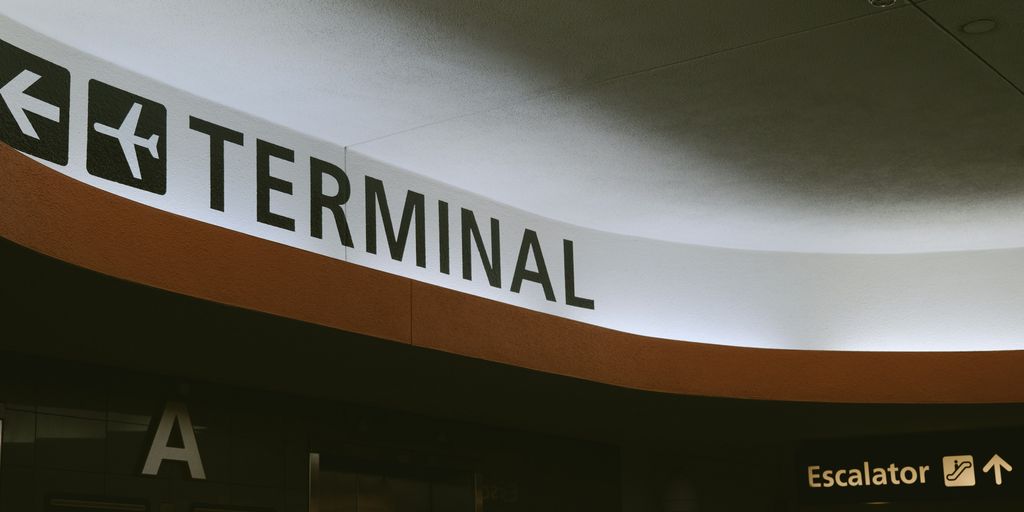
Okay, so you’re probably wondering what actually happens during preclearance. Well, it’s pretty much what you’d expect if you were landing in the US. You go through immigration and customs inspections just like you would stateside. The big difference is you’re doing it on foreign soil. This means showing your passport, answering questions about your trip, and having your luggage potentially inspected. They’re looking for the same things they’d be looking for if you landed in New York or Los Angeles – illegal stuff, undeclared goods, and making sure you’re allowed into the country. It’s all about getting that cleared status before you even board the plane for the US.
Security Screening and Sterile Waiting Areas
After you’ve cleared immigration and customs, you’re not exactly free to roam the airport. You enter what’s called a "sterile waiting area." Think of it like the gate area after you’ve gone through security at a regular airport. This area is specifically for passengers who have already been precleared. It’s kept separate from the rest of the airport to make sure no one who hasn’t been screened can get on your flight. You’ll find shops, restaurants, and restrooms in this area, so you can relax and wait for your flight without worrying about going through security again. The airport foots the bill for these sterile areas, which is why preclearance is only at airports with enough US-bound traffic to justify the cost.
Jurisdiction and Officer Authority
This is where things get a little tricky. Even though you’re going through US immigration and customs, you’re still technically on foreign soil. That means the laws of that country still apply. US preclearance officers have the authority to question and search travelers, but their power to arrest or detain someone is limited. It all comes down to agreements between the US and the host country. For example, officers might be able to detain someone they suspect of carrying a weapon, but they can’t just arrest someone for an outstanding warrant without the host country’s involvement. If you’re denied entry into the US at a preclearance facility, you simply don’t board the flight, and you’re free to leave the airport (unless you arrived from another flight, then things get more complicated).
Impact on Travel to the United States
Streamlining Entry for Passengers
Okay, so picture this: you’re flying into the US after a long trip. Normally, you’d brace yourself for those crazy long immigration lines, right? But with preclearance, it’s a whole different ballgame. The biggest win is that you essentially arrive in the US as a domestic passenger. This means you skip those massive queues and can head straight to baggage claim or your connecting flight. It’s a huge time-saver and makes the whole arrival process way less stressful. Think of it as fast-tracking your way into the country. For example, Etihad Airways’ first flight to Atlanta now offers this benefit.
Reducing Congestion at US Ports of Entry
It’s not just about making things easier for individual travelers; preclearance also helps ease congestion at major US airports. By processing passengers before they even arrive on US soil, it spreads out the workload for Customs and Border Protection (CBP) officers. This means shorter wait times for everyone, including those arriving from places without preclearance facilities. Plus, it frees up resources at busy hubs, allowing CBP to focus on other important tasks like security and inspections. It’s a win-win for both travelers and airport operations. The program aims to streamline border procedures for flights entering the United States.
Facilitating Access to Smaller US Airports
Here’s something you might not have thought about: preclearance can actually open up new travel possibilities. Some smaller US airports don’t have the facilities to handle large numbers of international arrivals. But if passengers are precleared, they can fly directly into these airports, avoiding the need to connect through a major hub. This can save time and money, and it can also make it easier to reach smaller cities and regions. It’s all about expanding access and making travel more convenient. This is especially helpful for airports without customs facilities for processing commercial flights.
Future of US Preclearance
Expansion to New International Locations
So, what’s next for US Preclearance? Well, the big idea is expansion. The CBP is always looking at new spots around the globe where they can set up shop. This isn’t just about making travel easier; it’s also about boosting security and catching potential problems before they even reach US soil. Think of it as a proactive approach to border control. The goal is to bring preclearance operations to more airports, especially in Europe and South America, where there’s a high volume of travelers heading to the States.
Aborted Preclearance Plans in Other Countries
It’s not always smooth sailing, though. There have been a few instances where plans to open preclearance facilities have fallen through. Sometimes it’s due to logistical nightmares, other times it’s political pushback from the host country. For example, there were talks about setting up a facility in the UK a few years back, but it never materialized. Similar situations have popped up in other locations. It shows that getting these things off the ground isn’t just about wanting to; it’s about navigating a complex web of international agreements and local regulations. It’s a reminder that expansion isn’t guaranteed, and there are plenty of hurdles to overcome.
Ongoing Discussions and Potential New Facilities
Despite the setbacks, the CBP is still actively engaged in discussions with several countries about potential new facilities. These talks involve a lot of back-and-forth, figuring out the details of how the facility would operate, who would pay for what, and how to address any concerns the host country might have. It’s a slow process, but it’s essential for ensuring that any new preclearance facility is a win-win for everyone involved. Keep an eye out; you might just see a new border preclearance bill announced in the near future. The future of travel might depend on it!
The Bottom Line on Abu Dhabi Preclearance
So, what’s the deal with US immigration in Abu Dhabi? It’s definitely a thing, and it’s been around for a while now. Even with some bumps in the road and folks wondering if it was a good idea, the facility at Abu Dhabi International Airport opened its doors back in 2014. This means if you’re flying from there to the US, you’ll go through all the immigration and customs stuff before you even get on the plane. It’s supposed to make things smoother when you land in America, like you’re just stepping off a domestic flight. While there were talks about other places getting similar setups, and some plans didn’t work out, Abu Dhabi’s preclearance is still active. It’s a unique way to start your trip to the US, saving you time and hassle once you arrive.




Prosecutors Say Jason Finkelstein Spent 11 Seconds Reviewing Cardiac Images Before Clearing a Teenage Athlete

Prosecutors Say Jason Finkelstein Spent 11 Seconds Reviewing Cardiac Images Before Clearing a Teenage Athlete
Prosecutors Say Jason Finkelstein Spent 11 Seconds Reviewing Cardiac Images Before Clearing a Teenage Athlete
Prosecutors Say Jason Finkelstein Spent 11 Seconds Reviewing Cardiac Images Before Clearing a Teenage Athlete

Prosecutors Say Jason Finkelstein Spent 11 Seconds Reviewing Cardiac Images Before Clearing a Teenage Athlete
Prosecutors Say Jason Finkelstein Spent 11 Seconds Reviewing Cardiac Images Before Clearing a Teenage Athlete

Prosecutors Say Jason Finkelstein Spent 11 Seconds Reviewing Cardiac Images Before Clearing a Teenage Athlete
Prosecutors Say Jason Finkelstein Spent 11 Seconds Reviewing Cardiac Images Before Clearing a Teenage Athlete
Prosecutors Say Jason Finkelstein Spent 11 Seconds Reviewing Cardiac Images Before Clearing a Teenage Athlete

Prosecutors Say Jason Finkelstein Spent 11 Seconds Reviewing Cardiac Images Before Clearing a Teenage Athlete
Prosecutors Say Jason Finkelstein Spent 11 Seconds Reviewing Cardiac Images Before Clearing a Teenage Athlete
Prosecutors Say Jason Finkelstein Spent 11 Seconds Reviewing Cardiac Images Before Clearing a Teenage Athlete
Prosecutors Say Jason Finkelstein Spent 11 Seconds Reviewing Cardiac Images Before Clearing a Teenage Athlete

Prosecutors Say Jason Finkelstein Spent 11 Seconds Reviewing Cardiac Images Before Clearing a Teenage Athlete
Prosecutors Say Jason Finkelstein Spent 11 Seconds Reviewing Cardiac Images Before Clearing a Teenage Athlete

-
Alternative Energy5 days ago
Brian Rowan’s Possible Defense: No Intent, No Control, No Fraud, Just Sales
-
Alternative Energy5 days ago
Federal Grand Jury Indicts Oren Shachar in Hospice Fraud Case
-
Business4 days ago
How Darrell Seale Builds High-Performing Teams Through Service-Based Leadership
-
Education4 days ago
Daniel Cullen Delafield on Bridging Executive Leadership and Skilled Trades Development
-

 News2 days ago
Prosecutors Say Jason Finkelstein Spent 11 Seconds Reviewing Cardiac Images Before Clearing a Teenage Athlete
-
News2 days ago
Prosecutors Say Jason Finkelstein Spent 11 Seconds Reviewing Cardiac Images Before Clearing a Teenage Athlete
-
News2 days ago
Prosecutors Say Jason Finkelstein Spent 11 Seconds Reviewing Cardiac Images Before Clearing a Teenage Athlete
-
News2 days ago
Prosecutors Say Jason Finkelstein Spent 11 Seconds Reviewing Cardiac Images Before Clearing a Teenage Athlete