
Home & Family
Designing Your Sanctuary: The Best Minimalist Living Room Furniture for a Serene Space


Ever feel like your living room is just… too much? Like there’s stuff everywhere, and you can’t really relax? Well, imagine walking into a space that feels calm and open, where everything has a purpose. That’s what a minimalist living room can do for you. It’s not about getting rid of everything you own. It’s about picking the right minimalist living room furniture and decor to create a peaceful spot that truly feels like your own sanctuary. Let’s look at how to make that happen.
Key Takeaways
- Pick low-profile sofas and sleek coffee tables to keep things open and airy.
- Add a few house plants and carefully chosen decorative objects to bring life without clutter.
- Use textured rugs and plush throws to add warmth and comfort to your space.
- Look for eco-friendly fabrics, wood, and metal for durable and stylish furniture.
- Remember, it’s about quality over quantity; choose pieces that last and truly fit your space.
1. Low-Profile Sofas
When it comes to minimalist living rooms, the sofa is a key piece. Forget those bulky, overstuffed couches! We’re aiming for something sleek and understated. Low-profile sofas are perfect because they don’t dominate the space and contribute to that open, airy feel we’re after.
Think about it: a huge sofa can make even a large room feel cramped. A low-profile design, on the other hand, encourages a sense of spaciousness. Plus, they often have clean lines and simple shapes, which fit right in with the minimalist aesthetic. It’s all about creating a calm and uncluttered environment. You can find great eco-friendly fabric choices for your sofa.
Here’s what to keep in mind when choosing a low-profile sofa:
- Size Matters: Measure your space carefully! You want a sofa that fits comfortably without overwhelming the room.
- Color Palette: Stick to neutral colors like gray, beige, or white. These colors are calming and versatile.
- Material: Consider durable and easy-to-clean fabrics. Leather or linen blends are good options.
- Legs: Opt for sofas with simple, minimalist legs. Metal or wood legs work well.
I recently helped my friend Sarah redesign her living room, and we chose a low-profile sofa in a light gray color. It instantly transformed the space, making it feel much more open and inviting. She added a plush throw to add a bit of coziness.
It’s amazing how much of a difference the right sofa can make!
2. Coffee Tables
Finding the right coffee table can really tie your minimalist living room together. It’s not just a place to put your coffee (though that’s important!), it’s a focal point that can either enhance or detract from the overall sense of calm. The key is to choose a table that’s both functional and visually unobtrusive.
Think about the size of your space. A huge, ornate table will overwhelm a small room, while a tiny table might get lost in a larger area. Material matters too. Glass and metal can feel sleek and modern, while wood adds warmth and texture.
Here are some things to consider when choosing a coffee table:
- Shape: Round, square, rectangular, or oval? The shape should complement your sofa and the overall layout of the room. Round tables are great for smaller spaces because they’re easier to navigate around. Rectangular tables work well with longer sofas.
- Storage: Do you need extra storage? Some coffee tables have drawers or shelves, which can be super handy for stashing remotes, magazines, or blankets. If you’re aiming for a truly minimalist look, consider a table with hidden storage to keep clutter out of sight.
- Height: The height of your coffee table should be similar to the height of your sofa cushions. This makes it easy to reach your drinks and snacks without straining. A golden drum table can add a touch of elegance without taking up too much space.
Ultimately, the best coffee table is one that meets your needs and fits seamlessly into your minimalist aesthetic. Don’t be afraid to shop around and experiment with different styles until you find the perfect fit.
3. House Plants

Okay, so hear me out. I used to think plants were just… there. Like, a decoration you water sometimes. But then I got a snake plant, and honestly? It changed the whole vibe of my living room. Plants bring life into a minimalist space in a way nothing else can. They soften the hard lines and add a touch of nature, which is super important when you’re trying to create a serene environment. Plus, they clean the air, which is a nice bonus.
I’m not saying you need to turn your living room into a jungle, but a few carefully chosen plants can make a huge difference. Think about the light you get. If you’re like me and your living room is basically a cave, you’ll need to look into low-light indoor plants. ZZ plants and peace lilies are good options. If you’ve got a sun-drenched space, you can go for something like a fiddle-leaf fig or even a small citrus tree. Just make sure you’re ready to commit to watering them!
Here’s a super basic guide to some popular choices:
- Snake Plant: Basically unkillable. Perfect for beginners.
- ZZ Plant: Another low-maintenance option that thrives on neglect.
- Peace Lily: Elegant and air-purifying, but needs regular watering.
- Pothos: Trailing vines that look great in hanging baskets.
- Monstera: Trendy and dramatic, with those iconic split leaves.
4. Decorative Objects
Minimalism doesn’t mean your living room has to be sterile! It’s about carefully choosing a few items that add personality without creating clutter. Think quality over quantity. I’m not saying you can’t have anything, just be picky!
The key is to select pieces that either serve a purpose or hold sentimental value.
Here are some ideas to get you started:
- Sculptures: A single, well-chosen sculpture can be a great focal point. It could be something abstract, something nature-inspired, or even a cool geometric shape. I saw this awesome metal sculpture at a flea market last weekend, but I didn’t buy it and now I regret it!
- Vases: Even empty, a beautiful vase can be a decorative object. You can change it up with different flowers or branches depending on the season. I have a few ceramic vases that I really like.
- Books: A small stack of your favorite books can add a personal touch. Choose books with interesting covers or that reflect your interests. I love looking at other people’s bookshelves when I visit their homes.
- Trays: A decorative tray on your coffee table can corral smaller items like remotes or candles. Plus, it looks way more organized than just having everything scattered around. I use a wooden tray on my ottoman.
Remember, the goal is to enhance the space, not overwhelm it. Think about the colors, textures, and shapes of the objects you choose and how they complement the rest of your bathroom surfaces.
5. Minimalist Art
When it comes to minimalist living rooms, the art you choose can make or break the space. It’s not about filling every wall; it’s about selecting pieces that speak to you and complement the overall aesthetic. Think quality over quantity. One well-placed piece of art can be far more impactful than several smaller, less significant items.
The goal is to enhance the serenity of the room, not to overwhelm it.
Consider these points when choosing your art:
- Color Palette: Stick to a limited color palette that aligns with the rest of your room. Neutrals, muted tones, and the occasional pop of color can work wonders.
- Subject Matter: Abstract art, simple geometric shapes, or nature-inspired prints are all great options. Avoid anything too busy or distracting.
- Framing: Opt for simple, clean frames. Thin metal frames or frameless canvases can enhance the minimalist feel.
- Placement: Think about where the art will be placed. A single large piece above the sofa or a small collection on a gallery wall can both work, depending on the size and layout of your room. You can find stunning minimalist art in various layouts to personalize your home.
Ultimately, the art you choose should reflect your personal style while maintaining the calm and uncluttered atmosphere of a minimalist living room. It’s about creating a space that feels both stylish and soothing.
6. Textured Rugs
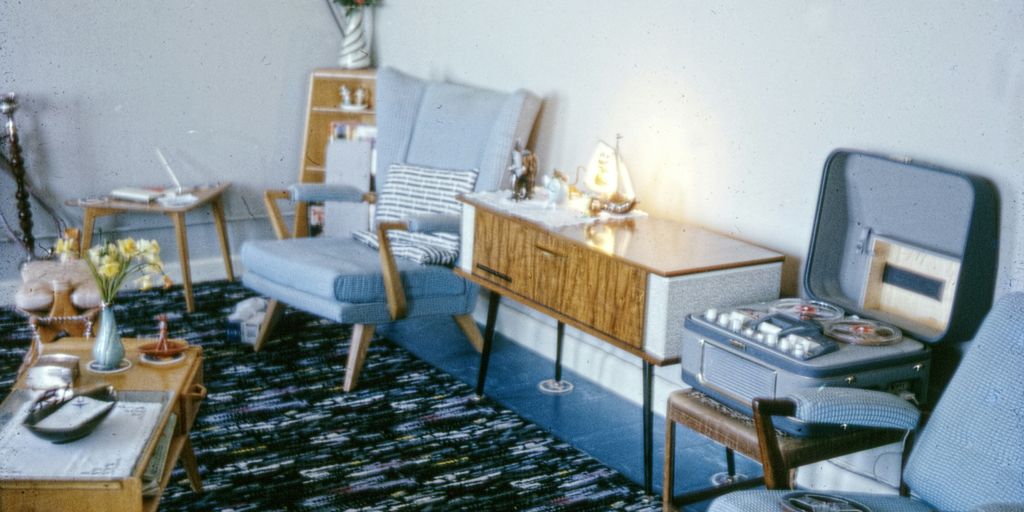
Rugs are a great way to add warmth and visual interest to a minimalist living room without cluttering the space. I’ve found that the right rug can really tie the room together, adding a layer of comfort and style. The key is to choose rugs with subtle textures that complement the overall minimalist aesthetic. Think about materials like wool, jute, or even a low-pile shag for a bit of cozy depth.
I’ve been experimenting with different rug textures lately, and it’s amazing how much they can change the feel of a room. A simple change like that can make a big difference. For example, a chunky knit throw blanket can add a touch of warmth and character.
Here are a few ideas to consider when choosing textured rugs:
- Material Matters: Opt for natural fibers like wool or jute for a subtle, organic texture. Synthetic materials can work too, but natural fibers often have a more appealing look and feel.
- Pile Height: Low-pile rugs are generally easier to clean and maintain, making them a practical choice for high-traffic areas. However, a slightly higher pile can add a touch of luxury and comfort.
- Pattern Play: Even in a minimalist space, you can incorporate subtle patterns through texture. Think about geometric designs or simple weaves that add visual interest without being overwhelming. A minimalist design offers a sense of openness, like there are possibilities.
I’ve found that sticking to a neutral color palette for rugs is usually the best bet in a minimalist setting. Colors like gray, beige, or cream can create a calming and cohesive look. But don’t be afraid to experiment with subtle pops of color if that suits your style!
7. Plush Throws
Okay, so you’ve got the minimalist thing down. Clean lines, neutral colors, maybe even a cool wood ottoman. But sometimes, a room can feel a little…stark. That’s where plush throws come in. They’re like the hug your living room didn’t know it needed.
A well-chosen throw can add texture, warmth, and a pop of color without disrupting the overall minimalist vibe. Think of it as functional decor.
Here’s the deal with throws:
- Material Matters: Cashmere, faux fur, chunky knits – each brings a different feel. Cashmere is luxurious, faux fur is cozy, and chunky knits add visual interest. I personally love a good hemp fabric throw for its texture and sustainability.
- Color Palette: Stick to your existing color scheme. If your living room is mostly grays and whites, a throw in a similar tone but with a slightly different texture can add depth. Or, go for a muted accent color to draw the eye.
- Placement is Key: Don’t just toss it on the sofa. Drape it artfully over the armrest, fold it neatly at the foot of the sofa, or even display it in a basket. The goal is to look intentional, not like you just threw it there.
Throws aren’t just for looks, though. They’re perfect for snuggling up on the couch with a book or adding an extra layer of warmth on a chilly evening. It’s all about creating a space that’s both stylish and comfortable.
8. Eco-Friendly Fabrics
When designing a minimalist living room, it’s easy to focus on the overall look and forget about the materials themselves. But choosing eco-friendly fabric choices is a big deal, especially if you’re aiming for a truly serene and sustainable space. It’s not just about aesthetics; it’s about making responsible choices that benefit the planet.
Prioritizing eco-friendly fabrics is a commitment to quality and sustainability.
Think about it: conventional fabric production can be pretty rough on the environment, with lots of water usage, chemical dyes, and potential waste. By opting for sustainable alternatives, you’re reducing your environmental footprint and creating a healthier living space. Plus, many eco-friendly fabrics are naturally durable and long-lasting, which fits perfectly with the minimalist philosophy of buying less and buying better.
Here are some things to consider when choosing eco-friendly fabrics:
- Organic Cotton: Grown without harmful pesticides or synthetic fertilizers, organic cotton is a great choice for upholstery, throws, and cushions. It’s soft, breathable, and gentle on the skin.
- Hemp: This incredibly strong and durable fiber requires very little water and no pesticides to grow. Hemp fabrics have a unique texture and get softer with each wash.
- Linen: Made from flax fibers, linen is another sustainable option that’s naturally breathable and resistant to pests. It has a beautiful drape and adds a touch of understated elegance to any space.
- Recycled Polyester (rPET): Made from recycled plastic bottles, rPET is a fantastic way to reduce waste and give new life to existing materials. It’s durable, easy to care for, and can be used for a variety of applications.
Choosing eco-friendly fabrics is an investment in both your home and the planet. It’s a simple yet powerful way to create a minimalist living room that’s not only beautiful but also environmentally responsible.
9. Wood
Wood brings a natural, warm feel to minimalist spaces. It’s not just about looks; it’s about bringing a piece of the outdoors inside. The right wood can really anchor a room and make it feel complete.
Think about the different types of wood. Oak is sturdy and classic, while walnut offers a richer, darker tone. Then there’s teak, known for its durability and water resistance – great if you have plants nearby. Choosing the right wood can make a big difference in the overall vibe of your minimalist living room ideas.
Here are some ways to incorporate wood:
- Furniture Frames: Sofas, chairs, and tables with exposed wood frames add a touch of nature.
- Flooring: Hardwood floors are a minimalist staple, providing a clean and simple base.
- Accent Pieces: Wooden bowls, sculptures, or even just a stack of firewood can bring warmth to the space.
Wood also pairs well with other minimalist materials like metal and glass. A wooden tabletop with metal legs, for example, can create a nice balance of textures and styles. Don’t be afraid to experiment and see what works best for your space. You can find sustainably sourced furniture made of wood to help the environment.
10. Metal
Metal brings a sleek, contemporary edge to minimalist spaces. I’ve always thought it adds a touch of industrial chic, but in a refined way. Think clean lines and understated elegance. It’s not about being cold or sterile; it’s about highlighting form and function.
Metal accents can really elevate a room’s design without overwhelming it.
Here are some ways to incorporate metal into your minimalist living room:
- Furniture Frames: Consider sofas or chairs with slim metal frames. The contrast between the metal and the upholstery can be striking. For example, this upholstered armchair with a metal frame would fit perfectly.
- Coffee Tables: A coffee table with metal legs or a metal top can be a great focal point. Look for simple geometric shapes.
- Shelving: Metal shelving units are perfect for displaying books or decorative objects. They offer a light, airy feel compared to solid wood shelves.
- Lighting Fixtures: Metal lamps and light fixtures can add a touch of sophistication. Matte black or brushed steel finishes are popular choices.
When choosing metal finishes, consider the overall color palette of your living room. Here’s a quick guide:
| Finish | Characteristics | Best For |
|---|---|---|
| Brushed Steel | Subtle sheen, hides fingerprints well | Modern, industrial, or contemporary styles |
| Matte Black | Bold contrast, adds a touch of drama | Minimalist, Scandinavian, or modern styles |
| Polished Chrome | Reflective, adds a touch of glamour | Art Deco, Hollywood Regency, or modern styles |
| Brass | Warm, adds a vintage or eclectic feel | Bohemian, mid-century modern, or eclectic styles |
Don’t be afraid to mix and match metals, but do so sparingly. Too many different finishes can create a cluttered look. Stick to two or three complementary metals for a cohesive design.
Conclusion
So, there you have it. Making your living room minimalist isn’t just about getting rid of stuff. It’s about making a calm, useful space that feels good to be in. When you pick out furniture carefully, stick to simple colors, and keep things tidy, your living room becomes a peaceful spot. It’s a place that works well and looks nice, all at the same time. It’s pretty cool how a few simple changes can make such a big difference, right?




Prosecutors Say Jason Finkelstein Spent 11 Seconds Reviewing Cardiac Images Before Clearing a Teenage Athlete

Prosecutors Say Jason Finkelstein Spent 11 Seconds Reviewing Cardiac Images Before Clearing a Teenage Athlete
Prosecutors Say Jason Finkelstein Spent 11 Seconds Reviewing Cardiac Images Before Clearing a Teenage Athlete
Prosecutors Say Jason Finkelstein Spent 11 Seconds Reviewing Cardiac Images Before Clearing a Teenage Athlete

Prosecutors Say Jason Finkelstein Spent 11 Seconds Reviewing Cardiac Images Before Clearing a Teenage Athlete
Prosecutors Say Jason Finkelstein Spent 11 Seconds Reviewing Cardiac Images Before Clearing a Teenage Athlete

Prosecutors Say Jason Finkelstein Spent 11 Seconds Reviewing Cardiac Images Before Clearing a Teenage Athlete
Prosecutors Say Jason Finkelstein Spent 11 Seconds Reviewing Cardiac Images Before Clearing a Teenage Athlete
Prosecutors Say Jason Finkelstein Spent 11 Seconds Reviewing Cardiac Images Before Clearing a Teenage Athlete

Prosecutors Say Jason Finkelstein Spent 11 Seconds Reviewing Cardiac Images Before Clearing a Teenage Athlete
Prosecutors Say Jason Finkelstein Spent 11 Seconds Reviewing Cardiac Images Before Clearing a Teenage Athlete
Prosecutors Say Jason Finkelstein Spent 11 Seconds Reviewing Cardiac Images Before Clearing a Teenage Athlete
Prosecutors Say Jason Finkelstein Spent 11 Seconds Reviewing Cardiac Images Before Clearing a Teenage Athlete

Prosecutors Say Jason Finkelstein Spent 11 Seconds Reviewing Cardiac Images Before Clearing a Teenage Athlete
Prosecutors Say Jason Finkelstein Spent 11 Seconds Reviewing Cardiac Images Before Clearing a Teenage Athlete

-
Alternative Energy5 days ago
Brian Rowan’s Possible Defense: No Intent, No Control, No Fraud, Just Sales
-
Alternative Energy5 days ago
Federal Grand Jury Indicts Oren Shachar in Hospice Fraud Case
-
Business4 days ago
How Darrell Seale Builds High-Performing Teams Through Service-Based Leadership
-
Education4 days ago
Daniel Cullen Delafield on Bridging Executive Leadership and Skilled Trades Development
-

 News2 days ago
Prosecutors Say Jason Finkelstein Spent 11 Seconds Reviewing Cardiac Images Before Clearing a Teenage Athlete
-
News2 days ago
Prosecutors Say Jason Finkelstein Spent 11 Seconds Reviewing Cardiac Images Before Clearing a Teenage Athlete
-
News2 days ago
Prosecutors Say Jason Finkelstein Spent 11 Seconds Reviewing Cardiac Images Before Clearing a Teenage Athlete
-
News2 days ago
Prosecutors Say Jason Finkelstein Spent 11 Seconds Reviewing Cardiac Images Before Clearing a Teenage Athlete