Automotive
Unpacking the Iconic Car in Captain America: A Deep Dive into Cinematic Automotive Design


So, we’re talking about the car in Captain America movies today. It’s more than just a way for Cap to get around. These cars actually help tell the story, you know? They show who Captain America is and what he stands for. We’re gonna look at how these cars are picked, how they look, and what they mean for the movies. It’s pretty cool how much thought goes into something that seems so simple.
Key Takeaways
- The car in Captain America often shows American strength and history.
- Filmmakers use car designs to help tell the story and show character traits.
- The cars change over time in the movies, from old war vehicles to newer models.
- People who make the movies work with car designers to get the cars just right.
- Captain America’s car has a big impact on fans and pop culture, just like other Marvel vehicles.
The Iconic Car in Captain America: A Symbol of American Might
Tracing the Automotive Lineage of Captain America
Okay, so Captain America isn’t exactly known for his sweet ride, right? But hear me out. The vehicles associated with Cap, especially in the movies, tell a story. It’s not just about getting from point A to point B; it’s about representing American ideals and technological progress. Think about it: in The First Avenger, we see vehicles from the World War II era – jeeps, military trucks, and even motorcycles. These aren’t flashy, but they’re functional and represent the can-do spirit of the time. They’re a stark contrast to the sleek, modern cars he encounters later. It’s a visual cue that marks his transition through time. The evolution of Captain America’s vehicles mirrors the evolution of America itself, from wartime practicality to modern innovation.
The Ford Mustang GT: A Modern Interpretation
Let’s talk about the 2006 Ford Mustang GT. This car is often associated with Captain America in more recent media, especially in merchandise and promotional material. Why a Mustang? Well, it’s an American icon. It’s sporty, powerful, and has a classic design that still feels modern. The Mustang represents a blend of tradition and innovation, much like Captain America himself. It’s a way of grounding him in the present while still acknowledging his past. Plus, let’s be honest, it just looks cool. You can even find die-cast models of the Mustang GT with Captain America styling, showing just how much this car has become linked to the character. It’s a far cry from the military vehicles of the 1940s, but it still embodies a sense of American strength and freedom.
Design Philosophy Behind Captain America’s Vehicle
So, what’s the thought process behind choosing a car for Captain America? It’s not just about picking something that looks good. It’s about finding a vehicle that reflects his values and his role in the world. The design needs to be both functional and symbolic. It needs to be something that a super-soldier could use effectively, but also something that represents the ideals he fights for. Here are a few key considerations:
- Durability and Reliability: Cap needs a car that can handle anything, from high-speed chases to off-road adventures.
- American Heritage: The car should be a symbol of American ingenuity and design.
- Subtle Patriotism: The design might incorporate subtle nods to the American flag or Captain America’s costume, without being too over-the-top.
Ultimately, the car becomes an extension of the character, a visual representation of his strength, his values, and his place in the modern world. It’s more than just a mode of transportation; it’s a statement.
Cinematic Automotive Design: More Than Just a Car
Cars in movies, especially superhero movies, are way more than just a way to get from point A to point B. They’re characters themselves, adding layers to the story and the hero’s persona. It’s about how the filmmakers use these vehicles to tell a story without words, and how they become part of the action.
Integrating the Car into Captain America’s Narrative
The car isn’t just there; it’s woven into Cap’s story. Think about it: the car can represent his values, his connection to a specific time, or even his struggle to adapt to the modern world. It’s a tangible representation of his journey. The choice of vehicle, its modifications, and how he uses it all contribute to our understanding of Captain America as a character. It’s not just a ride; it’s part of his identity.
Visual Storytelling Through Vehicle Aesthetics
The look of the car matters. A sleek, modern design says something different than a classic, vintage model. The color, the lines, even the best car accessories all contribute to the visual language of the film. For example, a rugged, military-style vehicle might emphasize Cap’s strength and combat skills, while a more refined car could highlight his leadership qualities. It’s all about using the car’s appearance to communicate something about the character and the story.
The Role of the Car in Action Sequences
Of course, cars in superhero movies are often involved in some pretty intense action. But it’s not just about explosions and crashes. The way Cap uses the car in a fight – whether it’s for pursuit, defense, or even as a weapon – tells us a lot about his fighting style and his resourcefulness. The car becomes an extension of his abilities, and the action sequences become a way to showcase both the car’s capabilities and Cap’s strategic thinking. It’s about more than just a cool chase scene; it’s about character development through action.
Evolution of the Car in Captain America Films
From World War II to Modern Day Marvel
The presence of vehicles in Captain America films isn’t just about transportation; it’s a reflection of the era. In Captain America: The First Avenger, we see vehicles that are period-appropriate, like military jeeps and classic cars, grounding the film in its World War II setting. These vehicles are functional and utilitarian, emphasizing the practicality of the time. Fast forward to the modern MCU, and the vehicles become more advanced, reflecting technological progress. This evolution mirrors Captain America’s own journey through time.
Adapting the Car for Different Eras
Adapting vehicles to fit different eras requires careful consideration. For the World War II setting, filmmakers often rely on vintage vehicles or meticulously recreated models. This attention to detail helps immerse the audience in the historical context. In contrast, modern-day settings allow for more creative freedom, with vehicles often incorporating advanced technology and sleek designs. The choice of vehicle also reflects the character’s personality and role within the story. For example, a government agent might drive a sophisticated, high-tech car, while a civilian character might opt for something more practical and understated.
Subtle Changes and Consistent Themes
While the specific models and designs of vehicles may change across different Captain America films, certain themes remain consistent. The vehicles often symbolize American ideals, such as freedom, strength, and innovation. Even with technological advancements, there’s a sense of practicality and reliability associated with the vehicles used by Captain America and his allies. These subtle changes and consistent themes help to create a cohesive visual narrative throughout the franchise. For example, the Marvel 2006 Ford Mustang GT 1:24 embodies a modern interpretation of American muscle, linking back to the strength and resilience associated with Captain America himself.
The Craft of Bringing the Car to Life
Collaboration Between Filmmakers and Automotive Designers
It’s easy to think the car just shows up on set, but there’s a ton of work that goes into it. The filmmakers and automotive designers have to work together to make sure the car fits the story. It’s not just about picking a cool car; it’s about picking a car that makes sense for Captain America’s character and the world he lives in. They probably spend hours discussing what the car should look like, how it should perform, and what kind of message it should send. It’s a real partnership, and it’s what makes the car feel so authentic.
Practical Effects Versus Digital Enhancements
Okay, so how much of what we see is real, and how much is CGI? That’s the question, right? Back in the day, it was all about practical effects. Think real cars doing real stunts. Now, with CGI, they can do pretty much anything. But there’s a balance. Practical effects give a scene weight and realism that CGI sometimes struggles to match. Digital enhancements can make the impossible possible, like adding extra speed or making the car do crazy maneuvers. It’s a mix of both, and when it’s done well, you can’t even tell the difference.
Ensuring Authenticity and Visual Impact
They want the car to look good, obviously, but they also want it to feel real. That means paying attention to the details. The right paint job, the right sound, the right wear and tear. It all adds up. The goal is to create a car that not only looks cool but also tells a story. They might research what cars were actually used in certain eras, or they might modify a modern car to look like something from the past. It’s all about making sure the car fits seamlessly into the world of Captain America. For example, door-to-door service is a must for transporting these vehicles.
Beyond the Screen: The Car’s Cultural Impact
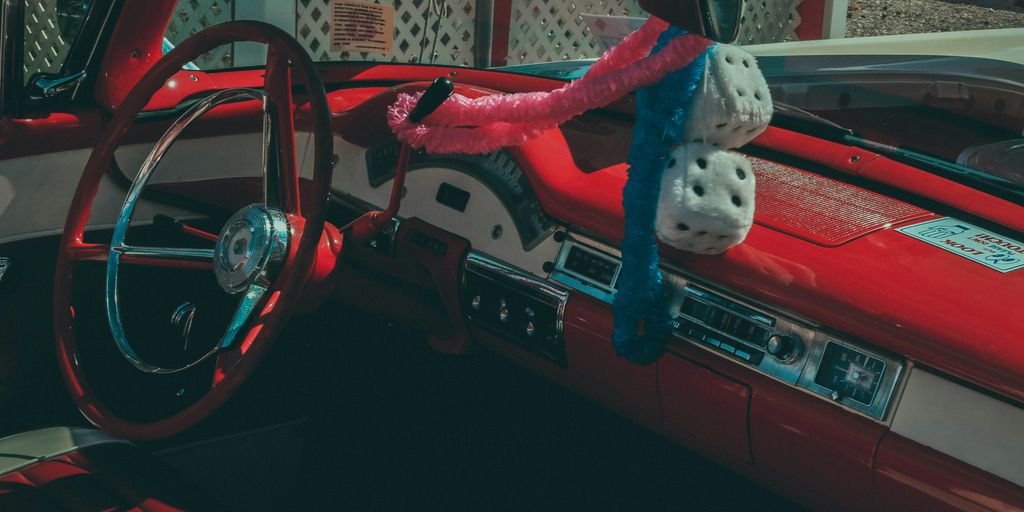
Merchandise and Collectibles: The Captain America Car
Okay, so the Captain America car isn’t just some prop; it’s a whole thing in the collectibles world. You can find die-cast models, sure, but it goes way beyond that. There are high-end replicas, custom builds, and even stuff like keychains and posters. The car represents a piece of the Captain America story that people want to own. It’s not just about having a cool car; it’s about having a symbol of heroism and American ideals (or at least, the movie version of them) sitting on your shelf. I saw a guy at a convention who had a whole room dedicated to Captain America stuff, and you bet your bottom dollar there was a model of the car front and center. It’s serious business.
Fan Engagement and Automotive Enthusiasm
People get really into the cars in movies, and the Captain America car is no exception. There are online forums dedicated to discussing every detail, from the make and model to any modifications made for the film. Fans create their own versions, modding existing cars to look like the on-screen vehicle. It’s a way for them to connect with the character and the movies on a deeper level. Plus, car shows often feature these kinds of tribute vehicles, drawing crowds of both comic book fans and automotive enthusiasts. It’s a cool intersection of two different worlds. Here’s a quick breakdown of fan activities:
- Creating replicas and tribute cars
- Participating in online forums and discussions
- Displaying cars at conventions and shows
The Car’s Legacy in Pop Culture
The Captain America car has definitely left its mark. It’s become an instantly recognizable symbol, popping up in other media and influencing car designs. It’s not just a car; it’s a visual shorthand for a certain kind of hero and a certain era. Think about it – when you see a classic American muscle car, do you sometimes think of Captain America? I know I do. It’s become part of the visual language of pop culture, and that’s pretty cool. It’s like how certain songs instantly remind you of a specific movie scene. The car has that same kind of power. It’s a pop culture icon now, plain and simple.
Comparing Captain America’s Car to Other Marvel Vehicles
Distinguishing Features of the Captain America Car
Captain America’s car, often a Ford Mustang GT, stands out due to its blend of classic American muscle and modern design. It’s not just about speed; it’s about embodying Cap’s values: reliability, strength, and a touch of old-fashioned charm. Unlike some other Marvel vehicles that lean heavily into futuristic tech, Cap’s car feels grounded and accessible. It’s a car that says, "I’m here to get the job done," without needing excessive bells and whistles. It’s a stark contrast to, say, Iron Man’s flashy sports cars or Black Panther’s sleek, technologically advanced vehicles. The Captain America Ford Mustang GT is more about substance than show.
Shared Design Principles Across the MCU
Despite the diverse range of vehicles in the Marvel Cinematic Universe, some design principles tie them together. These include:
- Character Alignment: Each vehicle reflects the personality and backstory of its driver. For example, Star Lord’s 1970 Ford Mustang Shelby GT500 has a retro vibe that matches his love for 80s music and culture.
- Visual Storytelling: Cars are used to communicate information about the characters and their world. A beat-up truck might indicate a character’s hardscrabble past, while a high-tech vehicle suggests wealth and access to advanced technology.
- Brand Integration: Real-world car brands are often featured, adding a layer of authenticity and relatability to the films. This helps ground the fantastical elements of the MCU in a recognizable reality. Jada Toys, for example, makes detailed replicas of Marvel die-cast models.
The Unique Identity of Each Hero’s Ride
While there are shared principles, each hero’s ride maintains a unique identity. Here’s a quick comparison:
- Iron Man’s Cars: Sleek, high-tech, and often customized with Stark Industries technology. Think sports cars and electric vehicles with advanced AI systems.
- Black Panther’s Vehicles: Cutting-edge technology from Wakanda, often featuring stealth capabilities and advanced weaponry. The Black Panther car has an impressive black and purple body.
- Spider-Man’s Ride: Usually more practical and less flashy, reflecting his everyman status. He might use a scooter or a modified van, focusing on agility and maneuverability in urban environments.
- Captain America’s Car: A balance of classic design and modern performance, symbolizing his connection to the past while remaining relevant in the present. It’s a car that inspires confidence and trust, much like the Captain himself.
Ultimately, the cars in the MCU are more than just modes of transportation; they are extensions of the characters themselves, adding depth and visual interest to the narrative.
The Future of the Car in Captain America’s Universe
Anticipating New Automotive Designs
What’s next for Captain America’s ride? It’s tough to say, but you know it’ll be cool. I’m betting we’ll see some serious upgrades, maybe even some Stark tech thrown in. Imagine a self-driving Mustang that can also fly – now that’s a Captain America car! I think the design will still pay homage to the classic American muscle car, but with a futuristic twist. Maybe some electric capabilities to keep up with the times? Who knows, but I’m excited to see what they come up with. It’s also possible that with the multiverse now fully in play, we could see variations of the car from different realities, each with its own unique design and features.
How Technology Might Influence Future Vehicles
Technology is changing everything, and cars are no exception. We’re already seeing self-driving cars, electric vehicles, and all sorts of crazy gadgets. I think Captain America’s future cars will definitely incorporate some of these advancements. Maybe we’ll see some advanced AI systems that can help him in combat, or some cloaking technology to keep him hidden from enemies. The possibilities are endless! I’m also curious to see if they’ll incorporate some of the tech from Wakanda, like vibranium armor or energy weapons. That would be pretty awesome. It’s also worth considering the impact of Tesla archives on automotive design within the MCU, potentially influencing the direction of future vehicles.
Maintaining the Iconic Status of the Car in Captain America
It’s important that whatever they do with the car in the future, they don’t lose sight of what makes it so iconic. It’s not just a car; it’s a symbol of American freedom and power. It needs to be something that fans can still recognize and connect with, even if it has some new bells and whistles. I think they can do this by keeping the classic Mustang design elements while adding some modern touches. It’s a delicate balance, but I think they can pull it off. The key is to respect the legacy of the car while still pushing the boundaries of what’s possible. Maybe they could even bring back some of the old cars from previous movies for a cameo appearance. That would be a nice way to pay tribute to the car’s history.
Wrapping It Up: More Than Just a Car
So, when you think about Captain America, it’s not just the shield or the super-soldier serum that comes to mind. That car, whatever version it is, really helps tell his story. It shows us where he’s been, what he’s fighting for, and how he’s changed over time. It’s pretty cool how a car can do all that, right? It just goes to show that even the little things in movies can have a big impact on how we see our heroes.





SolForger Launches as a Non-Custodial Solana Developer Platform for Builders, Creators, and On-Chain Projects

Securing the Future: Jayen Consulting Officially Migrates to a New Digital Domain

Focusing on Compliance, Truoux Advances MAS License Application

Truoux Advances UK FCA License Application, Deepens Compliance Strategic Layout

Truoux Optimizes Risk Control and AML Systems, Accelerating the RMO and DAX License Application Process

Rovum Builds Momentum in On-Chain Settlement Markets

Why Small Shipping Boxes Are Becoming the Default for 25-unit Trial Runs

Radio Ads and Personal Spending: Where Prosecutors Allege the Dynamic Money Millions Went

The $34 Million Deception: Where the Guam Charity Bingo Money Really Went

Celeste White’s Influence on Sustainable Agricultural Practices in Napa Valley

Inside the 12-Count Federal Indictment Against Fugitive Darren Anthony Robinson

FBI Most Wanted: The Hunt for “Fake Heiress” Mary Carole McDonnell

Piet Mondrian x Doodles: Five of Modern Art’s Most Iconic Masterworks Reimagined as Digital Collectibles and Physical Art Prints — For the First Time Ever

CRYMADX Is Trying to Fix What’s Broken in Crypto — And It Might Actually Work

Legal Lines in a Shadowed Space: When People Falsify Death to Dodge Prosecution