
Travel
Exploring the World: A Guide to Free Visa Countries for Indian Travelers


Dreaming of your next big trip? For Indian travelers, the world is opening up like never before. Forget the old days of endless visa applications and long waits. Now, lots of amazing places let you in without a visa, or with a super easy visa-on-arrival process. This guide will show you all about these free visa countries for Indian citizens, helping you plan your adventures with less stress and more fun. Let’s get you ready to explore!
Key Takeaways
- Many countries offer visa-free entry for Indian passport holders, making travel easier.
- Always check the latest entry rules before you go, as things can change.
- Even for visa-free travel, you’ll need important documents like your passport and proof of funds.
- Visa-on-arrival and e-visa options are also available for many places, simplifying the process.
- Having valid visas for places like the US or UK can sometimes open doors to other countries too.
Understanding Visa-Free Travel for Indian Citizens
Defining Visa-Free Access
Okay, so what does "visa-free" actually mean? It’s pretty simple: it means you, as an Indian passport holder, can enter a country without needing to apply for a visa in advance. Think of it as a free pass! You still need your passport, and there might be other requirements (more on that later), but you skip the whole visa application process. It’s a huge time-saver and can make spontaneous trips way easier. It’s worth noting that visa-free doesn’t always mean you can stay indefinitely; there’s usually a limit on how long you can hang out. For example, some countries offer visa-free stays for up to 90 days, while others might be shorter. Always double-check the specifics before you book that flight!
Benefits of Visa-Free Destinations
Why should you care about visa-free travel? Well, for starters, it saves you money. Visa fees can add up, especially if you’re planning a multi-country trip. Plus, the application process can be a real headache – filling out forms, gathering documents, waiting for approval… who needs that stress? With visa-free travel, you can be more spontaneous. See a cheap flight deal? Book it! No need to worry about whether your visa will be approved in time. You can also explore a wider range of destinations. Some countries that might seem intimidating because of their visa requirements suddenly become much more accessible when you don’t need a visa. Here’s a quick rundown of the perks:
- Cost Savings: No visa fees to worry about.
- Time Savings: Skip the application process.
- Spontaneity: Book trips on a whim.
- Accessibility: Explore more destinations with ease.
Key Considerations for Indian Passport Holders
Even though you don’t need a visa, there are still some things you need to keep in mind. First, your passport needs to be valid for at least six months beyond your intended stay. Some countries are sticklers for this rule, and they will deny you entry if your passport is expiring soon. Second, you might need to show proof of onward travel, like a return ticket. This is to prove that you don’t intend to overstay your welcome. Third, you might need to show proof of sufficient funds to cover your expenses while you’re there. This could be in the form of bank statements or credit card statements. Finally, be aware that visa policies can change, so it’s always a good idea to check the latest requirements before you travel. Staying informed is key to a smooth trip.
Top Visa-Free Countries for Indian Travelers
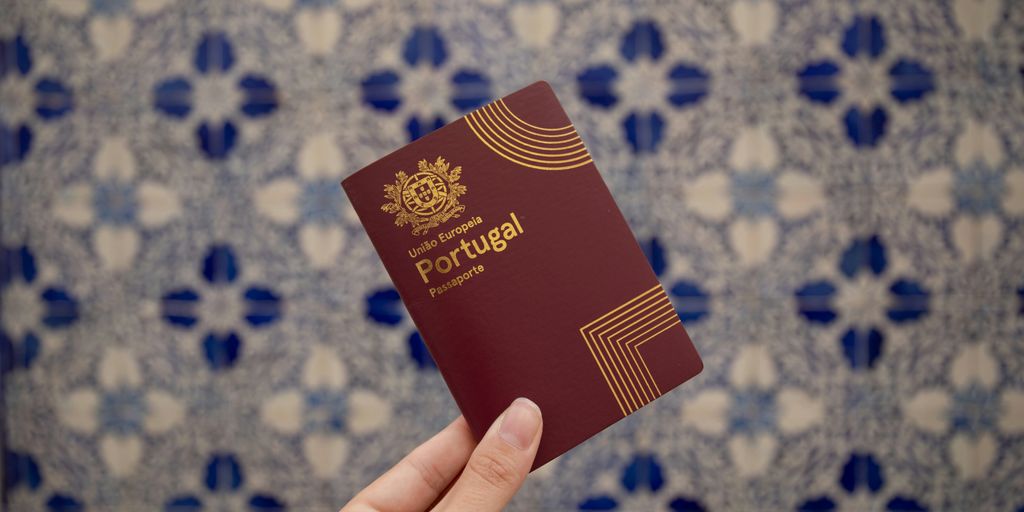
Planning an international trip can be exciting, but dealing with visa applications? Not so much. Luckily, there are quite a few countries where Indian passport holders can travel without needing a visa in advance. Let’s explore some of the top destinations that offer visa-free entry to Indian citizens. This opens up a world of possibilities for spontaneous getaways and budget-friendly travel.
Asian Gems Offering Visa-Free Entry
Asia is packed with amazing destinations, and several of them welcome Indian travelers without visa requirements. For example:
- Nepal: Thanks to the Indo-Nepal treaty, Indian citizens enjoy free movement and don’t need a visa. Just carry a valid ID.
- Bhutan: Similar to Nepal, no visa is required. A valid Indian ID or passport will do the trick. It’s a great place to see unique landscapes.
- Thailand: You can stay for up to 60 days without a visa.
Exploring African Visa-Free Destinations
Africa offers a diverse range of cultures and landscapes, and some countries make it easy for Indian travelers to visit. Here are a few options:
- Mauritius: Known for its beautiful beaches and lagoons, Mauritius allows Indian citizens to stay for a certain period without a visa. It’s a great place to relax and unwind.
- Angola: Offers a 30-day visa-free stay, allowing travelers to experience its diverse landscapes and culture.
- Seychelles: Another island paradise, Seychelles offers visa-free access to Indian passport holders. Think pristine beaches and crystal-clear waters.
Caribbean Islands with Visa-Free Access
Dreaming of a tropical getaway? Several Caribbean islands offer visa-free entry to Indian citizens:
- Barbados: Enjoy up to 90 days of visa-free stay in Barbados. Perfect for a relaxing vacation.
- Dominica: Offers a generous 6 months of visa-free access. Plenty of time to explore this nature island.
- Jamaica: No visa is required for Indian citizens to visit Jamaica. Get ready for some reggae and sunshine!
Essential Entry Requirements for Visa-Free Countries
Required Travel Documents and Identification
Okay, so you’re thinking of jetting off to a visa-free destination? Awesome! But hold on a sec – visa-free doesn’t mean you can just hop on a plane with nothing but a smile. You still need to get your ducks in a row. The most important thing is your passport; make sure it’s valid for at least six months beyond your planned stay. I know, it sounds obvious, but you’d be surprised how many people get caught out by this. Also, double-check that you have enough blank pages for entry and exit stamps. Some countries are sticklers for this.
Beyond your passport, it’s always a good idea to carry a copy of your passport’s photo page separately, just in case. And don’t forget any other form of government-issued photo ID, like your driver’s license or Aadhar card. It’s better to be safe than sorry!
Proof of Accommodation and Financial Stability
Alright, next up: proving you’re not planning on becoming a permanent resident. Many countries will want to see proof that you have a place to stay and that you can support yourself during your visit. This usually means having hotel reservations or accommodation arrangements. A printed confirmation is best, but a screenshot on your phone should work in a pinch.
As for financial stability, a recent bank statement is your best bet. Make sure it shows enough funds to cover your expenses. How much is enough? That depends on the country and the length of your stay, so do your homework. Some countries might also accept credit card statements or even cash, but a bank statement is generally the most reliable option. I usually print mine a few days before I leave, just to make sure it’s up-to-date.
Return Ticket and Duration of Stay Regulations
This is a big one: you almost always need to show that you have a return flight reservation. This proves that you intend to leave the country before your visa-free stay expires. Make sure the dates on your ticket are within the allowed duration of stay. For example, if a country allows a 90-day visa-free stay, your return ticket should be dated within those 90 days.
It’s also important to be aware of the specific duration of stay regulations for each country. Some countries might have stricter rules than others. Overstaying your welcome, even by a day, can lead to serious consequences, like fines, deportation, or even being banned from re-entering the country in the future. So, pay attention to the rules and don’t risk it! Here’s a quick example:
- Thailand: 60 days
- Gambia: 90 days
- Kazakhstan: 14 days
- Vanuatu: 120 days
Navigating Countries with Visa-On-Arrival for Indians
Visa-on-arrival (VOA) can be a lifesaver when you’re planning a trip and haven’t had time to sort out a visa beforehand. It means you get your visa right after landing, usually at a specific counter at the airport. It’s not quite the same as visa-free, so you still need to meet certain requirements and pay a fee in some cases. Let’s break down how it works for Indian citizens.
Understanding Visa-On-Arrival Procedures
So, how does VOA actually work? Well, when you arrive in a country offering VOA, you’ll typically head to a designated immigration area. Here, you’ll fill out an application form, present your passport, provide any required documents (like proof of accommodation or onward travel), and pay the visa fee, if applicable. The immigration officers will then review your application, and if everything checks out, they’ll issue your visa on the spot. Keep in mind that the requirements and fees can vary quite a bit from country to country, so doing your homework beforehand is super important. It’s also worth noting that sometimes, you might need to apply for an Electronic Travel Authorization (ETA) before you travel, even if the country offers VOA, like in the case of Sri Lanka.
Popular Destinations Offering Visa-On-Arrival
Several countries are pretty popular with Indian travelers because they offer VOA. Here are a few examples:
- Thailand: Offers a 15-day VOA, but there’s a fee involved. It’s a great option for a quick trip to explore the beaches and temples. Make sure you have travel insurance before you go.
- Maldives: Offers a 30-day free VOA. Perfect for a relaxing beach vacation without the hassle of pre-arranged visas.
- Mauritius: Grants a 60-day VOA. Known for its beautiful landscapes and diverse culture.
- Sri Lanka: As mentioned, requires an ETA beforehand, but the actual visa is issued upon arrival. It’s a convenient option for exploring the island’s rich history and natural beauty.
Documents Needed for Visa-On-Arrival
To make sure you have a smooth experience getting your VOA, it’s good to have all your documents in order. Generally, you’ll need:
- A passport that’s valid for at least six months beyond your intended stay.
- A completed visa application form (usually available at the airport).
- Passport-sized photographs.
- Proof of accommodation (hotel booking, etc.).
- A return or onward ticket to show you plan to leave the country.
- Sufficient funds to cover your expenses during your stay. The amount varies, so check the specific requirements for the country you’re visiting. It’s always a good idea to have some currency exchange ready.
- Any other documents specified by the country’s immigration authorities. It’s always best to check the official website or embassy for the most up-to-date list. You might also need to show a yellow fever vaccination certificate if you’re coming from certain countries. Don’t forget to check the visa requirements before you travel.
E-Visa Options for Indian Passport Holders
The Convenience of Electronic Visas
E-Visas have seriously changed the game for travel. Instead of dealing with embassy visits and piles of paperwork, you can often apply for a visa from your couch. This online process saves a ton of time and hassle. It’s especially great for those last-minute trips or when you just don’t have time to visit an embassy in person. Plus, you usually get a quicker response compared to traditional visa applications. It’s all about making travel more accessible and less stressful.
Countries Offering E-Visa Facilities
Lots of countries now offer e-visa options to Indian passport holders. This makes planning international trips way easier. Here are a few examples:
- Turkey: Known for its straightforward e-visa process. I’ve heard it’s super quick.
- Kenya: You can apply online, and it supposedly takes less than 30 minutes. That’s pretty impressive.
- Azerbaijan: Their e-visa is valid for 30 days, which gives you a decent window to travel.
- Vietnam: They issue e-visas within about 3 days, which is pretty fast.
- Myanmar: Simple application process, especially if you’re going for tourism.
- Tajikistan: They’ve got a fast-tracked system through their official portal.
It’s always a good idea to check the specific requirements and processing times on the official immigration website of the country you plan to visit. Things can change, and you don’t want any surprises at the airport. For example, citizens of India can easily obtain eVisas for travel to 46 countries.
Application Process for E-Visas
The application process for e-visas is usually pretty similar across different countries. Here’s a general idea of what to expect:
- Visit the Official Website: Always start at the official immigration website of the country you’re visiting. Avoid third-party sites that might charge extra fees.
- Fill Out the Application Form: You’ll need to provide personal information, passport details, travel plans, and answer some security questions. Be accurate!
- Upload Required Documents: This usually includes a scanned copy of your passport, a passport-sized photo, and sometimes proof of accommodation or a return ticket.
- Pay the Visa Fee: You’ll typically pay online using a credit card or other accepted payment method.
- Wait for Approval: Processing times vary, so apply well in advance of your trip. You’ll usually receive an email notification when your e-visa is approved.
- Print Your E-Visa: Print a copy of your e-visa and keep it with your passport when you travel. You might need to show it at check-in and upon arrival.
Remember to double-check all the information you provide before submitting your application. Errors can cause delays or even rejection. And make sure your passport is valid for at least six months beyond your intended stay. It’s a small detail that can cause big problems if overlooked.
Countries Accessible with Valid US/UK/Schengen Visas
Did you know that having a visa from the US, UK, or a Schengen country can open doors to even more destinations? It’s true! Some countries recognize these visas and allow Indian passport holders to enter without needing a separate visa from them. It’s like a bonus perk for already having gone through the process of getting one of those major visas. I remember when I first found this out, it totally changed my travel plans!
Leveraging Existing Major Country Visas
Basically, this means you can use your existing US, UK, or Schengen visa to visit other countries that have agreements in place. This can save you a ton of time and money on visa applications. It’s a smart way to maximize your travel opportunities. Think of it as a travel hack! It’s always a good idea to double-check the specific requirements before you go, just to be safe. You can find more information about student visa applications online.
Specific Examples for Indian Travelers
Okay, let’s get down to some real examples. These are subject to change, so always confirm before your trip, but here are a few places that often allow entry with those visas:
- Mexico: Generally, if you have a valid US visa, you can enter Mexico. This is a super popular option for a quick getaway.
- Turkey: You can often get an e-visa for Turkey much more easily if you already hold a valid visa from the US, UK, or a Schengen country. It simplifies the process a lot.
- Colombia: I’ve heard that Colombia allows visa-free entry for up to 90 days if you have a valid US or Schengen visa. That’s a pretty sweet deal!
- Georgia: A lot of people don’t realize this, but Georgia often permits entry if you have a valid multiple-entry visa from the US, UK, or Schengen area. It’s a beautiful country to explore.
- Albania: Similar to Georgia, Albania sometimes has a similar rule for visa holders from those major countries. It’s worth checking out if you’re planning a European trip.
Conditions for Entry with Third-Country Visas
Now, here’s the important part: there are usually conditions. It’s not always as simple as just showing your visa. Here are some things to keep in mind:
- Validity: Your US/UK/Schengen visa needs to be valid. Expired visas won’t work, obviously.
- Multiple Entry: Some countries require your visa to be a multiple-entry visa. This means you should be able to enter the country that issued the visa more than once.
- Purpose of Visit: The purpose of your visit to the new country should usually be tourism or a similar short-term reason.
- Duration of Stay: There’s usually a limit on how long you can stay in the new country using your other visa. It’s often 90 days, but it varies.
- Passport Validity: Make sure your passport is also valid for at least six months beyond your intended stay. This is a pretty standard rule for international travel.
Always, always check the specific requirements of the country you plan to visit before you travel. You can usually find this information on the country’s embassy website or through their official tourism portal. Don’t rely on outdated information or what you heard from a friend. Things change!
Smart Travel Tips for Indian Globetrotters
Staying Updated on Visa Policy Changes
Visa rules? They’re always changing! Seriously, what’s visa-free today might need an e-visa tomorrow. Always double-check the latest entry requirements before you travel, even if you’ve been there before. A good place to start is the official website of the country’s embassy or consulate in India. Don’t just rely on old information or what your friend told you last year. Things change, and you don’t want to be stuck at the airport!
Preparing Your Travel Documentation
Okay, this sounds obvious, but you’d be surprised. Get your documents in order way before your trip. Here’s a quick checklist:
- Passport: Make sure it’s valid for at least six months beyond your planned stay. Check the expiration date now. Seriously.
- Copies: Keep digital and physical copies of your passport, visa (if needed), and other important documents in separate places. Email them to yourself, too.
- Emergency Contacts: Have a list of emergency contacts (family, friends, embassy) readily available, both on your phone and printed out.
- Itinerary: Print out your flight and hotel confirmations. Even if you have them on your phone, it’s good to have a paper backup.
Importance of Travel Insurance and Connectivity
Travel insurance is a must. Seriously, don’t skip it. Medical emergencies, lost luggage, flight cancellations – these things happen. A good travel insurance policy can save you a lot of money and stress. Also, think about how you’ll stay connected. Getting a local SIM card or using an eSIM for connectivity can be super helpful for navigation, communication, and accessing important information. Roaming charges can be a killer, so plan ahead!
Conclusion: Your Next Adventure Awaits!
So, there you have it! Traveling the world from India doesn’t have to be a big headache with all those visa forms. Lots of places are ready to welcome you without a visa, or with a super easy process. Just remember to do a quick check before you go, because rules can change. Pack your bags, get ready for some amazing experiences, and enjoy your trip!




Prosecutors Say Jason Finkelstein Spent 11 Seconds Reviewing Cardiac Images Before Clearing a Teenage Athlete

Prosecutors Say Jason Finkelstein Spent 11 Seconds Reviewing Cardiac Images Before Clearing a Teenage Athlete
Prosecutors Say Jason Finkelstein Spent 11 Seconds Reviewing Cardiac Images Before Clearing a Teenage Athlete
Prosecutors Say Jason Finkelstein Spent 11 Seconds Reviewing Cardiac Images Before Clearing a Teenage Athlete

Prosecutors Say Jason Finkelstein Spent 11 Seconds Reviewing Cardiac Images Before Clearing a Teenage Athlete
Prosecutors Say Jason Finkelstein Spent 11 Seconds Reviewing Cardiac Images Before Clearing a Teenage Athlete

Prosecutors Say Jason Finkelstein Spent 11 Seconds Reviewing Cardiac Images Before Clearing a Teenage Athlete
Prosecutors Say Jason Finkelstein Spent 11 Seconds Reviewing Cardiac Images Before Clearing a Teenage Athlete
Prosecutors Say Jason Finkelstein Spent 11 Seconds Reviewing Cardiac Images Before Clearing a Teenage Athlete

Prosecutors Say Jason Finkelstein Spent 11 Seconds Reviewing Cardiac Images Before Clearing a Teenage Athlete
Prosecutors Say Jason Finkelstein Spent 11 Seconds Reviewing Cardiac Images Before Clearing a Teenage Athlete
Prosecutors Say Jason Finkelstein Spent 11 Seconds Reviewing Cardiac Images Before Clearing a Teenage Athlete
Prosecutors Say Jason Finkelstein Spent 11 Seconds Reviewing Cardiac Images Before Clearing a Teenage Athlete

Prosecutors Say Jason Finkelstein Spent 11 Seconds Reviewing Cardiac Images Before Clearing a Teenage Athlete
Prosecutors Say Jason Finkelstein Spent 11 Seconds Reviewing Cardiac Images Before Clearing a Teenage Athlete

-
Alternative Energy5 days ago
Brian Rowan’s Possible Defense: No Intent, No Control, No Fraud, Just Sales
-
Alternative Energy5 days ago
Federal Grand Jury Indicts Oren Shachar in Hospice Fraud Case
-
Business4 days ago
How Darrell Seale Builds High-Performing Teams Through Service-Based Leadership
-
Education4 days ago
Daniel Cullen Delafield on Bridging Executive Leadership and Skilled Trades Development
-

 News2 days ago
Prosecutors Say Jason Finkelstein Spent 11 Seconds Reviewing Cardiac Images Before Clearing a Teenage Athlete
-
News2 days ago
Prosecutors Say Jason Finkelstein Spent 11 Seconds Reviewing Cardiac Images Before Clearing a Teenage Athlete
-
News2 days ago
Prosecutors Say Jason Finkelstein Spent 11 Seconds Reviewing Cardiac Images Before Clearing a Teenage Athlete
-
News2 days ago
Prosecutors Say Jason Finkelstein Spent 11 Seconds Reviewing Cardiac Images Before Clearing a Teenage Athlete