
Alternative Energy
How do US supermarkets deal with and reduce their waste

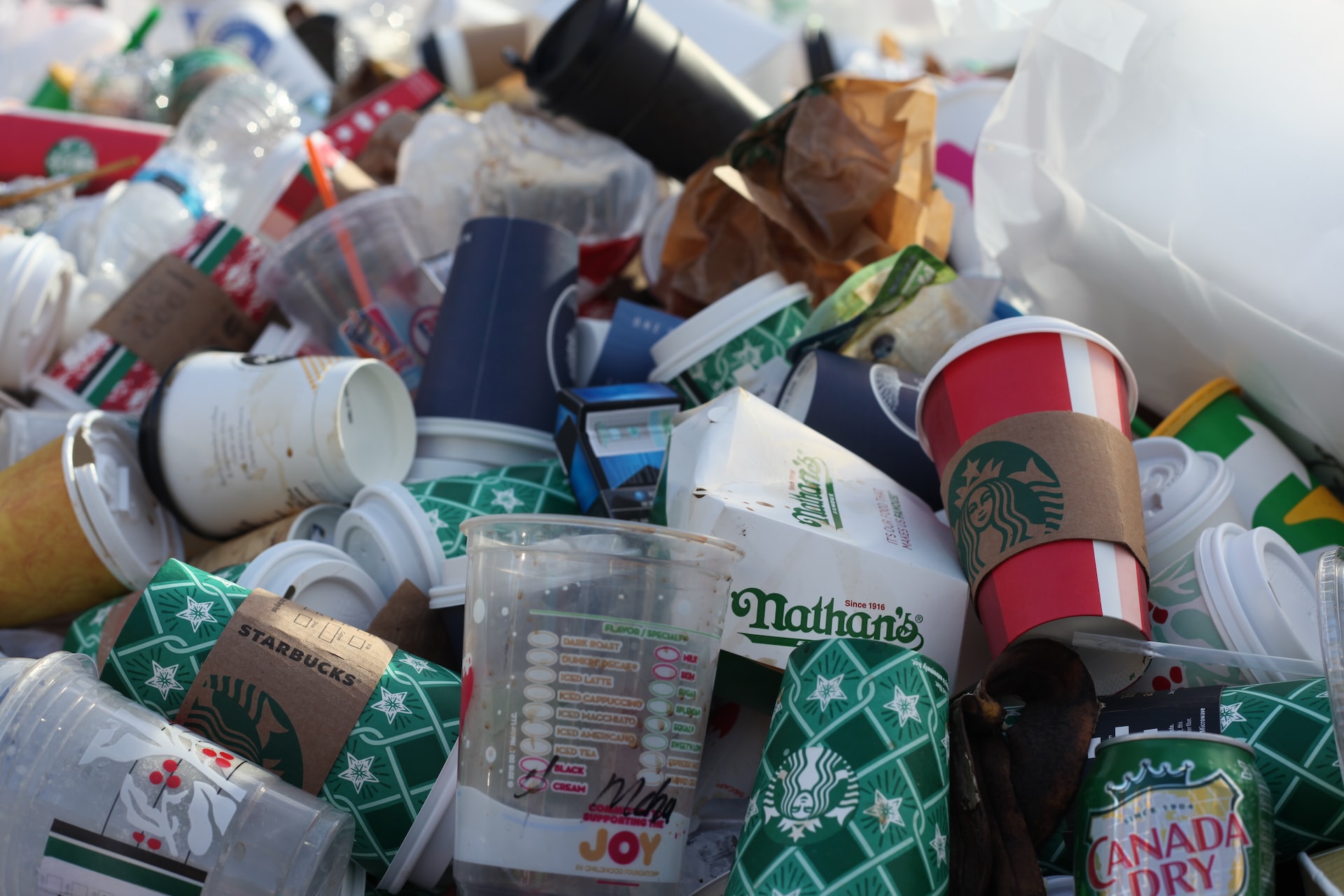
As businesses become more aware of how they affect the environment, they are starting to rethink how they do business. This is especially clear when it comes to food waste in supermarkets.
In the US, supermarkets are setting the standard for how to cut down on waste. In the store, people are trying to cut down on waste and recycle and reuse as much of their trash as possible.
How do supermarkets in the U.S deal with their trash
In the United States, food waste is a big problem. But not all grocery stores deal with it in the same way.
Some companies throw it away, and others give it to charity. Some of them give it to good causes. Customers can help by choosing wisely what to eat, wasting less food at home, and asking stores to change their rules.
In the US, there are two ways that stores deal with trash. The first way is to get rid of it. It is the most pointless and dangerous way to do things. Methane, a dangerous greenhouse gas, is made when food breaks down. Food is also burned in incinerators and landfills, which produces harmful chemicals and greenhouse gas.
The second way is to give food as a gift. Even though this is better than throwing it all away, it might be hard to give away a lot of food without affecting how the supermarket works. Sometimes it’s hard to find people who need the food.
Why Press Releases Still Matter To Your Business
How do stores in the US cut down on waste
A big problem with supermarkets is that they throw away a huge amount of food yearly. But that’s not true anymore. Some of the largest grocery stores in the country have started to fight back against food waste after years of trying to stop it. And they do it in a very simple way.
Using technology, they can control exactly when food turns bad
Expired dates on food are a big reason why people throw away food. The very first thing supermarkets can do for their customers is to teach them. People throw away a lot of food even though they don’t know what the “sell by,” “use by,” & “best before” dates mean in terms of food safety.
Also, stores are working on the problem by using equipment that keeps track of items expiring soon. There are now technologies that can automatically check and find the expiration dates on products.
This gives retailers plenty of time to write down items that are about to expire and move stock before it goes bad. Dynamic pricing changes the price of certain things during the day to get customers’ attention and cut down on waste. They can use this method to get people to purchase food that is about to go bad instead of more fresh fruit.
Use analytics and data to find patterns of waste
Supermarkets get data from many places, like their eCommerce sites, vendor information, loyalty programs, and smart shelves. Even though technology has changed, several supermarkets still use printouts and spreadsheets on paper.
But if merchants don’t know how to collect, analyze, and share data well, they might miss out on insights that can boost productivity and growth.
Using the data analytics and demand planning tools available now, supermarkets can estimate how much food will be needed, find patterns of food waste, and order just the right amount of food.
Even though not every store owner wants a fully automated store, supermarkets can get a better idea of what customers want by using purchasing data and artificial intelligence. This lets companies quickly take advantage of sales trends, find areas with high demand, and ensure the right inventory is in the right spot at the right time. It also cuts waste by a lot.
Teaching food waste to employees
More damage will likely happen to food and packaging when it is moved or stored. If you put things heavy on top of the food that goes bad very quickly, like egg whites or fruit, you will sometimes lose a whole package of fresh food. Breaking the cold chain could cause a lot more damage and cost.
The FAO says that a lack of or insufficient access to cold-chain logistics is why up to 50% of temperature-sensitive crops are lost after they are picked. A break in the cold chain, caused by broken equipment, a power outage, or even just closing a freezer door the wrong way, can cause unnecessary food waste.
Businesses that sell food can help stop this from happening by giving simple training. Supermarkets can get a lot done if they get their employees involved in the fight against food waste and teach them how to cut it down. Because of this, very little food will be wasted, they can sell so many goods and a lot more people will know how to use resources in a way that is good for the environment.
As many people know, wasting food has become a big problem in the US and worldwide. About 20% of all food waste in the country comes from grocery stores and other businesses. To deal with this problem, many shops have devised creative ways to use unsold food and cut down on food waste.


Prosecutors Say Jason Finkelstein Spent 11 Seconds Reviewing Cardiac Images Before Clearing a Teenage Athlete

Prosecutors Say Jason Finkelstein Spent 11 Seconds Reviewing Cardiac Images Before Clearing a Teenage Athlete
Prosecutors Say Jason Finkelstein Spent 11 Seconds Reviewing Cardiac Images Before Clearing a Teenage Athlete
Prosecutors Say Jason Finkelstein Spent 11 Seconds Reviewing Cardiac Images Before Clearing a Teenage Athlete

Prosecutors Say Jason Finkelstein Spent 11 Seconds Reviewing Cardiac Images Before Clearing a Teenage Athlete
Prosecutors Say Jason Finkelstein Spent 11 Seconds Reviewing Cardiac Images Before Clearing a Teenage Athlete

Prosecutors Say Jason Finkelstein Spent 11 Seconds Reviewing Cardiac Images Before Clearing a Teenage Athlete
Prosecutors Say Jason Finkelstein Spent 11 Seconds Reviewing Cardiac Images Before Clearing a Teenage Athlete
Prosecutors Say Jason Finkelstein Spent 11 Seconds Reviewing Cardiac Images Before Clearing a Teenage Athlete

Prosecutors Say Jason Finkelstein Spent 11 Seconds Reviewing Cardiac Images Before Clearing a Teenage Athlete
Prosecutors Say Jason Finkelstein Spent 11 Seconds Reviewing Cardiac Images Before Clearing a Teenage Athlete
Prosecutors Say Jason Finkelstein Spent 11 Seconds Reviewing Cardiac Images Before Clearing a Teenage Athlete
Prosecutors Say Jason Finkelstein Spent 11 Seconds Reviewing Cardiac Images Before Clearing a Teenage Athlete

Prosecutors Say Jason Finkelstein Spent 11 Seconds Reviewing Cardiac Images Before Clearing a Teenage Athlete
Prosecutors Say Jason Finkelstein Spent 11 Seconds Reviewing Cardiac Images Before Clearing a Teenage Athlete

-
Alternative Energy5 days ago
Brian Rowan’s Possible Defense: No Intent, No Control, No Fraud, Just Sales
-
Alternative Energy5 days ago
Federal Grand Jury Indicts Oren Shachar in Hospice Fraud Case
-
Business4 days ago
How Darrell Seale Builds High-Performing Teams Through Service-Based Leadership
-
Education4 days ago
Daniel Cullen Delafield on Bridging Executive Leadership and Skilled Trades Development
-

 News2 days ago
Prosecutors Say Jason Finkelstein Spent 11 Seconds Reviewing Cardiac Images Before Clearing a Teenage Athlete
-
News2 days ago
Prosecutors Say Jason Finkelstein Spent 11 Seconds Reviewing Cardiac Images Before Clearing a Teenage Athlete
-
News2 days ago
Prosecutors Say Jason Finkelstein Spent 11 Seconds Reviewing Cardiac Images Before Clearing a Teenage Athlete
-
News2 days ago
Prosecutors Say Jason Finkelstein Spent 11 Seconds Reviewing Cardiac Images Before Clearing a Teenage Athlete