
Cryptocurrency
Blockchain Beyond Cryptocurrency: 5 Game-Changing Applications You Should Know

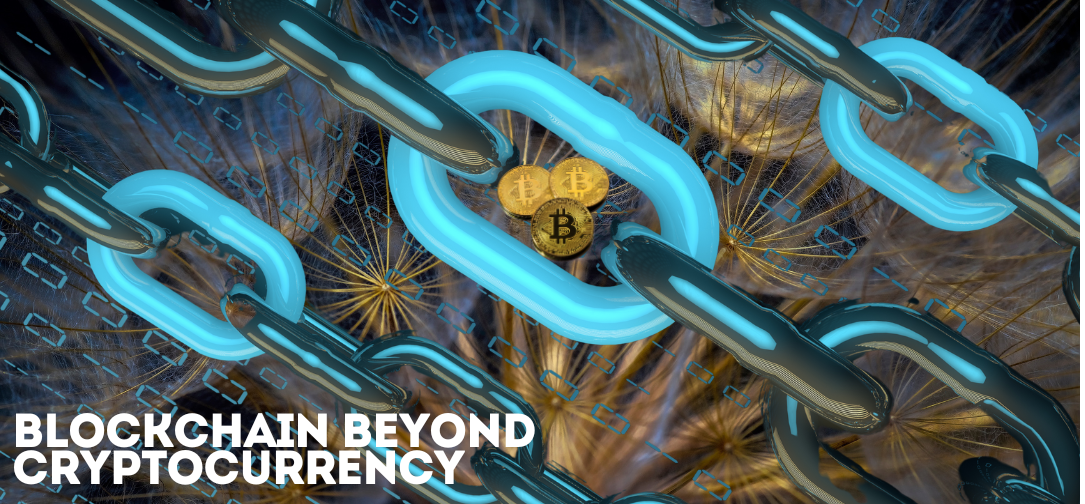
Initially synonymous with cryptocurrencies like Bitcoin and Ethereum, blockchain technology has evolved into a transformative force across various industries. Beyond its financial origins, blockchain’s decentralised, transparent, and immutable nature is revolutionising sectors such as healthcare, supply chain management, insurance, government services, and digital identity. This report delves into five groundbreaking applications of blockchain technology, highlighting its potential to reshape the modern world.
1. Healthcare: Enhancing Data Security and Interoperability
The healthcare industry faces persistent challenges in data management, including fragmented records, data breaches, and inefficiencies in clinical trials. Blockchain offers solutions by providing secure, decentralised patient data storage, ensuring that records are tamper-proof and accessible only to authorised parties. For instance, Avaneer Health, backed by major entities like Aetna and the Cleveland Clinic, employs blockchain to streamline claims processing and facilitate secure provider data exchanges. Additionally, blockchain’s role in clinical trials is noteworthy; it enables the collection of electronic consents and the secure logging of research data, enhancing transparency and verifiability.
Moreover, blockchain aids in drug traceability, combating counterfeit medications by tracking pharmaceuticals from production to delivery. This comprehensive approach improves patient safety, reduces administrative costs, and enhances overall healthcare efficiency.
2. Supply Chain Management: Ensuring Transparency and Authenticity
Inefficiencies, lack of transparency, and counterfeit products often plague supply chains. Blockchain addresses these issues by providing a transparent and immutable ledger of every transaction, enabling stakeholders to trace products from origin to destination. In collaboration with IBM’s Food Trust blockchain, Walmart has significantly improved food traceability, reducing the time to trace the origin of mangoes from six days to just 2.2 seconds. Similarly, Maersk’s TradeLens platform digitises global shipping documentation, streamlining international trade by providing real-time access to shipping data. MediLedger enhances supply chain integrity in the pharmaceutical industry by assigning unique identifiers to drugs, allowing for verification at every step and reducing the risk of counterfeit medications. These implementations demonstrate blockchain’s capacity to revolutionise supply chain management across various sectors.
3. Automating Claims with Smart Contracts
The insurance industry leverages blockchain to enhance efficiency, accuracy, and transparency. Smart contracts, self-executing contracts with terms directly written into code, automate processes, reducing human error and operational costs. Parametric insurance benefits significantly from smart contracts, which provide payouts based on predefined events rather than damage assessments. Companies like Lemonade and Etherisc have implemented blockchain-based parametric insurance products, such as drought insurance for Kenyan farmers, ensuring timely and fair compensation. Furthermore, platforms like Nexus Mutual utilise blockchain to pool insurance coverage, with claims assessed through member consensus, fostering a community-driven approach to insurance. These advancements signify a shift towards more efficient and secure insurance operations.
4. Government Services: Streamlining Operations and Enhancing Trust
Governments increasingly adopt blockchain to improve transparency, reduce fraud, and streamline services. The California Department of Motor Vehicles (DMV) has digitised 42 million car titles using blockchain, facilitating easier title transfers and combating fraud. In voting, blockchain offers secure and transparent platforms for conducting elections. Voatz, a mobile voting application, utilises blockchain and biometrics to verify voter identities and ensure the integrity of election results. By recording votes on an immutable ledger, blockchain enhances trust in electoral processes and increases accessibility for remote or disabled voters. Additionally, the U.S. government’s consideration of blockchain for aid distribution through USAID aims to increase transparency and efficiency in humanitarian assistance. However, such implementations’ effectiveness and cost-benefit balance are still under scrutiny.
5. Digital Identity: Empowering Individuals with Self-Sovereign Identities
Managing digital identities securely is paramount in an era of increasing cyber threats. Blockchain offers robust solutions by enabling self-sovereign identities (SSIs), where individuals control and share their personal data selectively. IBM’s blockchain-based identity verification system has reportedly reduced identity theft cases by 65% for its clients. Decentralised Identifiers (DIDs) and Zero-Knowledge Proofs (ZKPs) further enhance privacy by allowing verification of information without revealing the data itself. These technologies bolster security and streamline processes in sectors like finance, healthcare, and education, where verifying identities is crucial.
Conclusion
Blockchain technology’s applications extend beyond cryptocurrencies, offering solutions across various industries. From enhancing healthcare data security and revolutionising supply chain management to automating insurance claims, streamlining government services, and empowering individuals with secure digital identities, blockchain is poised to redefine operational paradigms.
As adoption grows, continued collaboration between stakeholders, regulatory clarity, and technological advancements will be essential to fully realise blockchain’s potential and address scalability, interoperability, and user education challenges.


Prosecutors Say Jason Finkelstein Spent 11 Seconds Reviewing Cardiac Images Before Clearing a Teenage Athlete

Prosecutors Say Jason Finkelstein Spent 11 Seconds Reviewing Cardiac Images Before Clearing a Teenage Athlete
Prosecutors Say Jason Finkelstein Spent 11 Seconds Reviewing Cardiac Images Before Clearing a Teenage Athlete
Prosecutors Say Jason Finkelstein Spent 11 Seconds Reviewing Cardiac Images Before Clearing a Teenage Athlete

Prosecutors Say Jason Finkelstein Spent 11 Seconds Reviewing Cardiac Images Before Clearing a Teenage Athlete
Prosecutors Say Jason Finkelstein Spent 11 Seconds Reviewing Cardiac Images Before Clearing a Teenage Athlete

Prosecutors Say Jason Finkelstein Spent 11 Seconds Reviewing Cardiac Images Before Clearing a Teenage Athlete
Prosecutors Say Jason Finkelstein Spent 11 Seconds Reviewing Cardiac Images Before Clearing a Teenage Athlete
Prosecutors Say Jason Finkelstein Spent 11 Seconds Reviewing Cardiac Images Before Clearing a Teenage Athlete

Prosecutors Say Jason Finkelstein Spent 11 Seconds Reviewing Cardiac Images Before Clearing a Teenage Athlete
Prosecutors Say Jason Finkelstein Spent 11 Seconds Reviewing Cardiac Images Before Clearing a Teenage Athlete
Prosecutors Say Jason Finkelstein Spent 11 Seconds Reviewing Cardiac Images Before Clearing a Teenage Athlete
Prosecutors Say Jason Finkelstein Spent 11 Seconds Reviewing Cardiac Images Before Clearing a Teenage Athlete

Prosecutors Say Jason Finkelstein Spent 11 Seconds Reviewing Cardiac Images Before Clearing a Teenage Athlete
Prosecutors Say Jason Finkelstein Spent 11 Seconds Reviewing Cardiac Images Before Clearing a Teenage Athlete

-
Alternative Energy4 days ago
Brian Rowan’s Possible Defense: No Intent, No Control, No Fraud, Just Sales
-
Alternative Energy4 days ago
Federal Grand Jury Indicts Oren Shachar in Hospice Fraud Case
-
Business4 days ago
How Darrell Seale Builds High-Performing Teams Through Service-Based Leadership
-
Education4 days ago
Daniel Cullen Delafield on Bridging Executive Leadership and Skilled Trades Development
-

 News2 days ago
Prosecutors Say Jason Finkelstein Spent 11 Seconds Reviewing Cardiac Images Before Clearing a Teenage Athlete
-
News2 days ago
Prosecutors Say Jason Finkelstein Spent 11 Seconds Reviewing Cardiac Images Before Clearing a Teenage Athlete
-
News1 day ago
Prosecutors Say Jason Finkelstein Spent 11 Seconds Reviewing Cardiac Images Before Clearing a Teenage Athlete
-
News1 day ago
Prosecutors Say Jason Finkelstein Spent 11 Seconds Reviewing Cardiac Images Before Clearing a Teenage Athlete