
Sports
TFF Super League: A Deep Dive into Turkish Football’s Top Tier


The TFF Super League is Turkey’s top soccer league. It’s where the best teams in the country play each other. This league has a lot of history and is super important to Turkish soccer. We’re going to look at how it works, its past, the big teams, how players grow, what the fans are like, the money side of things, and what’s next for the league. Basically, we’re covering everything about the tff super league.
Key Takeaways
- The TFF Super League is the main soccer competition in Turkey, run by the Turkish Football Federation.
- The league has a long history, with many changes and important moments over the years.
- Big clubs like Galatasaray, Fenerbahçe, and Beşiktaş have a lot of success and strong rivalries.
- The league helps develop local players and also brings in international talent, with some players moving on to play in Europe.
- Fans are a big part of the TFF Super League, known for their passion and creating a lively atmosphere at games.
Understanding the TFF Super League
Official Governance and Structure
The TFF Super League, or Süper Lig as it’s commonly known, is the highest level of Turkish football. It’s basically the Turkish equivalent of the English Premier League or Spain’s La Liga. The whole thing is managed by the Turkish Football Federation (TFF). They’re in charge of setting the rules, making sure everything’s fair, and generally running the show. The league itself is made up of 20 teams, and at the end of each season, the bottom four teams get relegated to the TFF First League, while the top teams from that league get promoted. It’s a pretty standard system, but it keeps things competitive.
The League’s Place in Turkish Football
The Super League is at the very top of the Turkish football pyramid. It’s where all the best players in Turkey (and a lot of international talent) play. Winning the league is a huge deal, not just for bragging rights, but also because it guarantees a spot in the Champions League, which is a big source of revenue and prestige. The league also feeds into the Turkish national team, as many of the national team players come from Super League clubs. It’s fair to say that the league’s importance can’t be overstated when it comes to Turkish football.
Key Characteristics of the Top Tier
- Intense Rivalries: The Super League is known for its passionate fans and intense rivalries, especially between the Istanbul giants: Galatasaray, Fenerbahçe, and Beşiktaş. These derbies are some of the most heated in the world.
- Tactical Football: While there’s plenty of attacking talent, many teams in the Super League prioritize a strong defense and tactical discipline. You often see closely contested matches with a lot of emphasis on set pieces and counter-attacks.
- Financial Disparities: Like many leagues, there’s a significant gap in financial resources between the top clubs and the smaller teams. This can lead to an uneven playing field, but it also creates opportunities for underdog stories and upsets.
Here’s a quick look at some common match results:
| Result Type | Percentage |
|---|---|
| Over 2.5 Goals | 50% |
| Both Teams To Score | 60% |
| Under 2.5 Goals | 50% |
Historical Foundations of the TFF Super League
Origins and Early Development
The story of the TFF Super League is a long one, stretching back to the early days of Turkish football. Before a nationwide league existed, football was mostly a regional affair, with clubs concentrated in cities like Istanbul, Izmir, and Ankara. These early clubs formed the foundation upon which the national league would eventually be built. The desire to create a more organized and competitive structure led to the first attempts at forming a national league in the early 20th century. It wasn’t always smooth sailing, and several different formats were tried before settling on something that resembled the modern Super League. These initial efforts faced challenges like logistical difficulties and limited resources, but they were crucial steps in the evolution of Turkish football. The Turkish Football Federation played a key role in these early stages, trying to bring some order to the chaos.
Evolution of the Competition
The Super League, as we know it today, didn’t just appear overnight. It went through several transformations over the decades. Early leagues had different names and structures, with varying numbers of participating teams. Over time, the league became more professionalized, with clubs investing in better facilities and players. The introduction of foreign players also had a big impact, bringing new styles of play and raising the overall level of competition. The league’s name changed a few times, reflecting the evolving sponsorships and priorities. The Milli Küme (National League) was one of the earlier iterations, eventually giving way to the Türkiye 1. Futbol Ligi (Turkish First Football League), and finally, the Süper Lig. It’s interesting to see how the league adapted to changing times and the growing popularity of football in Turkey. The evolution of the competition is a testament to the enduring appeal of the sport.
Defining Eras and Milestones
Certain periods and events stand out as particularly important in the Super League’s history. The dominance of the "Big Three" – Galatasaray, Fenerbahçe, and Beşiktaş – has been a constant theme, but there have also been periods where other clubs have risen to challenge their supremacy. Key milestones include the first time a team from outside Istanbul won the league, the introduction of European competitions, and the increasing commercialization of the sport. These moments not only shaped the league’s identity but also had a lasting impact on Turkish football culture. The introduction of VAR (Video Assistant Referee) is a more recent milestone, aimed at improving fairness, though it hasn’t been without its controversies. The defining eras show how much the league has changed.
Prominent Clubs and Their Legacies in the TFF Super League
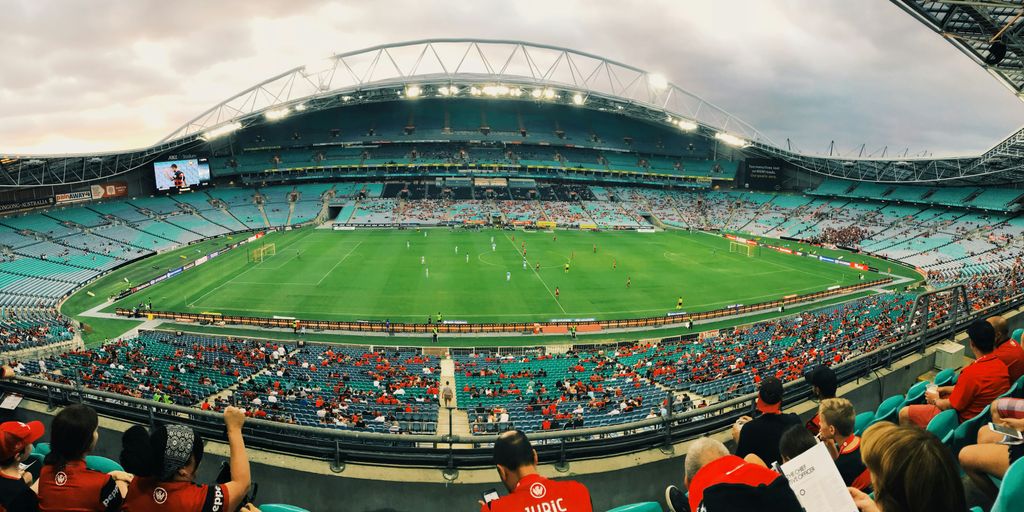
The Dominant Forces: Galatasaray, Fenerbahçe, Beşiktaş
Okay, so when you talk about the TFF Super League, you have to talk about Galatasaray, Fenerbahçe, and Beşiktaş. These aren’t just teams; they’re institutions. They’ve basically defined Turkish football for decades. Galatasaray has a crazy number of league titles, and their European success in the past really put Turkish football on the map. Fenerbahçe, with their massive fanbase, always seems to be in the title race. And Beşiktaş? They’ve had some amazing runs, too, with a history just as rich as the other two. It’s hard to imagine the Super League without them. They’re always battling it out, and honestly, the league wouldn’t be the same without their rivalries.
Emerging Contenders and Regional Powers
While the "Big Three" usually hog the spotlight, there are other teams that have been stepping up their game. Trabzonspor, for example, has had periods of real dominance and is always a threat. Then you’ve got teams like İstanbul Başakşehir, who have invested heavily and managed to break through and win the league. It’s cool to see these other clubs compete against giants and challenge the established order. It keeps things interesting and shows that the league isn’t just a closed shop. These teams often represent their regions with pride, adding another layer to the competition.
Iconic Rivalries and Derby Matches
Okay, the derbies in the TFF Super League? They’re insane. Galatasaray vs. Fenerbahçe – the Intercontinental Derby – is one of the biggest in the world. The atmosphere is electric, the passion is unreal, and the games are usually super intense. Beşiktaş vs. Galatasaray and Beşiktaş vs. Fenerbahçe are also huge. These matches aren’t just about the points; they’re about bragging rights, about city pride, and about a whole lot more. The fans live and breathe these games, and the players know exactly what’s at stake. Honestly, even if you don’t follow Turkish football that closely, you should try to catch one of these derbies. It’s an experience.
Player Development and Talent in the TFF Super League
Nurturing Homegrown Talent
Okay, so everyone talks about how important it is to grow your own players, right? Well, in the TFF Super League, it’s a big deal. Clubs are putting more focus on their youth academies, trying to find the next big thing. It’s not just about winning now; it’s about building a team that can compete for years to come. You see more and more young Turkish players getting chances in the first team, which is cool. They get experience, and the clubs save money on transfers. It’s a win-win, in theory. But it’s not always easy. The pressure is intense, and not every young player can handle it. Still, the effort is there, and that’s what matters.
Here’s a quick look at some key areas of focus for youth development:
- Improved coaching at youth levels
- Investment in better training facilities
- More competitive youth leagues
Impact of International Players
International players bring a lot to the TFF Super League. They bring experience from other leagues, different playing styles, and, let’s be honest, a bit of star power. But it’s a balancing act. You want these guys to improve the team, but you don’t want them to block the development of young Turkish players. Some clubs have been really smart about it, bringing in experienced players who can mentor the younger guys. Others, not so much. It’s all about finding the right mix. And sometimes, those international players can really help raise the profile of the Turkish Süper Lig on the world stage.
Pathways to European Football
For many players in the TFF Super League, the dream is to play in one of the big European leagues. And the Super League can be a stepping stone. We’ve seen a bunch of players move from Turkish clubs to teams in England, Spain, Italy, and Germany. It’s great for the players, obviously, but it can also be good for the Turkish clubs. They get transfer fees, and it shows that they’re developing players who can compete at the highest level. Of course, it also means losing some of your best players, which can hurt the team in the short term. But overall, it’s a positive thing. It gives young players something to aim for, and it helps to raise the standard of football games in Turkey.
The Fan Experience and Culture of the TFF Super League
Passionate Supporters and Stadium Atmosphere
The TFF Super League is known for its incredibly passionate fanbase. The atmosphere at matches is electric, with fans creating a wall of sound and color that can be intimidating for visiting teams. This passion is a huge part of what makes Turkish football so special. You’ll see flares, hear constant chanting, and feel the intensity from the moment you step into the stadium. It’s an experience unlike any other. Stadiums are often packed, regardless of the teams playing, showing the deep love for the sport in Turkey. The connected sports experience is amplified by the sheer energy of the crowd.
The Role of Ultras and Fan Groups
Ultra groups play a significant role in shaping the fan culture of the TFF Super League. These groups are known for their organized support, elaborate displays, and unwavering loyalty to their clubs. They often coordinate chants, create banners, and organize pre-match activities to create a powerful atmosphere. However, it’s important to acknowledge that some ultra groups have been associated with off-field incidents and controversies. Here are some common characteristics of these groups:
- Organized chanting and singing
- Creation of large banners and displays
- Coordination of pre-match activities
- Unwavering support, regardless of the team’s performance
Community Engagement and Local Identity
Football clubs in the TFF Super League are deeply intertwined with their local communities. They often serve as a source of pride and identity for residents, with many fans supporting their local team from a young age. Clubs frequently engage in community outreach programs, such as youth development initiatives and charitable activities, to strengthen their ties with the local population. This connection between the club and the community is a vital part of the TFF Super League’s culture. The Turkish Football Federation encourages these connections to build stronger communities.
Financial Aspects and Economic Impact of the TFF Super League
Club Revenues and Sponsorships
Okay, so let’s talk money. Turkish football, like any major league, is fueled by cash. Club revenues come from a bunch of different places, but sponsorships are huge. You’ve got the jersey sponsors, stadium naming rights, and all sorts of advertising deals. It’s a constant hustle to bring in more money. Broadcasting rights are also a big piece of the pie, and the better the league does, the more they can charge for those rights. Here’s a quick breakdown of typical revenue streams:
- Matchday income (ticket sales, concessions)
- Broadcasting rights
- Sponsorships and advertising
- Merchandise sales
- Other operating revenues
Transfer Market Dynamics
The transfer market is where things get really interesting. Turkish clubs have a reputation for both buying and selling players, sometimes with mixed results. You see clubs bringing in big-name players to boost their chances, but it doesn’t always work out. And then there’s the pressure to sell players to balance the books. It’s a constant balancing act. The Süper Lig is a stepping stone for some players aiming for bigger European leagues, while others see it as a good place to revive their careers. It’s a wild world of agents, contracts, and transfer fees. The Süper Lig, officially known as Spor Toto Süper Lig, is a Turkish professional league for association football clubs. It is the top-flight of the Turkish football league system and is run by the Turkish Football Federation.
Economic Contributions to Turkish Sports
The TFF Super League’s impact goes way beyond just the clubs themselves. It’s a major part of the Turkish economy. Think about all the jobs it creates, from stadium staff to local businesses that benefit from increased foot traffic on game days. Plus, the league helps promote Turkish football on the international stage, which can boost tourism and investment. New stadiums can affect football clubs, and the league’s success is tied to the overall health of Turkish sports. It’s a big deal for the country.
Challenges and Future Prospects for the TFF Super League
The Turkish Super League is exciting, but it faces some serious hurdles. It’s not all about what happens on the field; there are issues off the field that need fixing, and the league needs to think about how to grow and stay relevant in the future. Let’s take a look.
Addressing Off-Field Incidents and Fair Play
One of the biggest problems is dealing with bad behavior. We’re talking about match-fixing allegations, violence at games, and just general unfairness. These things hurt the league’s reputation and make it hard to attract sponsors and fans. It’s a tough job to keep everything clean, but it’s super important. The Turkish Football Federation needs to be strict and consistent with punishments to show that they’re serious about fair play. It’s not just about punishing bad behavior, but also about promoting ethical conduct at all levels of the game.
Strategic Growth and International Recognition
For the Super League to really take off, it needs to think bigger. That means attracting more international viewers and sponsors. One way to do that is to improve the quality of play and the overall fan experience. This could involve investing in better stadiums, improving the broadcast quality, and marketing the league to a global audience. It’s also about making the league more competitive so that more teams have a chance to win. This would make the games more exciting and attract more attention. Think about how the English Premier League has become a global phenomenon – that’s the kind of growth the Super League should be aiming for. It’s a long road, but with the right strategy, it’s possible.
Innovations and Modernization Efforts
Football is changing fast, and the Super League needs to keep up. That means embracing new technologies and ideas. For example, using data analytics to improve player performance, implementing better fan engagement strategies, and exploring new ways to generate revenue. It’s also about making the game more accessible to fans, whether that’s through streaming services, social media, or virtual reality experiences. The league also needs to think about things like sustainability and social responsibility. Fans care about these issues, and the league needs to show that it does too. By embracing innovation and modernization, the Super League can stay ahead of the curve and ensure that it remains relevant for years to come.
Conclusion
So, that’s the TFF Super League for you. It’s a league with a lot of history, and it’s always changing. You’ve got the big teams, sure, but then there are always new clubs coming up and making things interesting. The fans are really into it, which makes every game feel important. It’s not always perfect, but the passion for football in Turkey is clear. The Super League keeps growing, and it’s always fun to watch what happens next.




Prosecutors Say Jason Finkelstein Spent 11 Seconds Reviewing Cardiac Images Before Clearing a Teenage Athlete

Prosecutors Say Jason Finkelstein Spent 11 Seconds Reviewing Cardiac Images Before Clearing a Teenage Athlete
Prosecutors Say Jason Finkelstein Spent 11 Seconds Reviewing Cardiac Images Before Clearing a Teenage Athlete
Prosecutors Say Jason Finkelstein Spent 11 Seconds Reviewing Cardiac Images Before Clearing a Teenage Athlete

Prosecutors Say Jason Finkelstein Spent 11 Seconds Reviewing Cardiac Images Before Clearing a Teenage Athlete
Prosecutors Say Jason Finkelstein Spent 11 Seconds Reviewing Cardiac Images Before Clearing a Teenage Athlete

Prosecutors Say Jason Finkelstein Spent 11 Seconds Reviewing Cardiac Images Before Clearing a Teenage Athlete
Prosecutors Say Jason Finkelstein Spent 11 Seconds Reviewing Cardiac Images Before Clearing a Teenage Athlete
Prosecutors Say Jason Finkelstein Spent 11 Seconds Reviewing Cardiac Images Before Clearing a Teenage Athlete

Prosecutors Say Jason Finkelstein Spent 11 Seconds Reviewing Cardiac Images Before Clearing a Teenage Athlete
Prosecutors Say Jason Finkelstein Spent 11 Seconds Reviewing Cardiac Images Before Clearing a Teenage Athlete
Prosecutors Say Jason Finkelstein Spent 11 Seconds Reviewing Cardiac Images Before Clearing a Teenage Athlete
Prosecutors Say Jason Finkelstein Spent 11 Seconds Reviewing Cardiac Images Before Clearing a Teenage Athlete

Prosecutors Say Jason Finkelstein Spent 11 Seconds Reviewing Cardiac Images Before Clearing a Teenage Athlete
Prosecutors Say Jason Finkelstein Spent 11 Seconds Reviewing Cardiac Images Before Clearing a Teenage Athlete

-
Alternative Energy5 days ago
Brian Rowan’s Possible Defense: No Intent, No Control, No Fraud, Just Sales
-
Alternative Energy5 days ago
Federal Grand Jury Indicts Oren Shachar in Hospice Fraud Case
-
Business4 days ago
How Darrell Seale Builds High-Performing Teams Through Service-Based Leadership
-
Education4 days ago
Daniel Cullen Delafield on Bridging Executive Leadership and Skilled Trades Development
-

 News2 days ago
Prosecutors Say Jason Finkelstein Spent 11 Seconds Reviewing Cardiac Images Before Clearing a Teenage Athlete
-
News2 days ago
Prosecutors Say Jason Finkelstein Spent 11 Seconds Reviewing Cardiac Images Before Clearing a Teenage Athlete
-
News2 days ago
Prosecutors Say Jason Finkelstein Spent 11 Seconds Reviewing Cardiac Images Before Clearing a Teenage Athlete
-
News2 days ago
Prosecutors Say Jason Finkelstein Spent 11 Seconds Reviewing Cardiac Images Before Clearing a Teenage Athlete