
Finance
Navigating the Landscape: Essential Venture Capital Conferences 2025


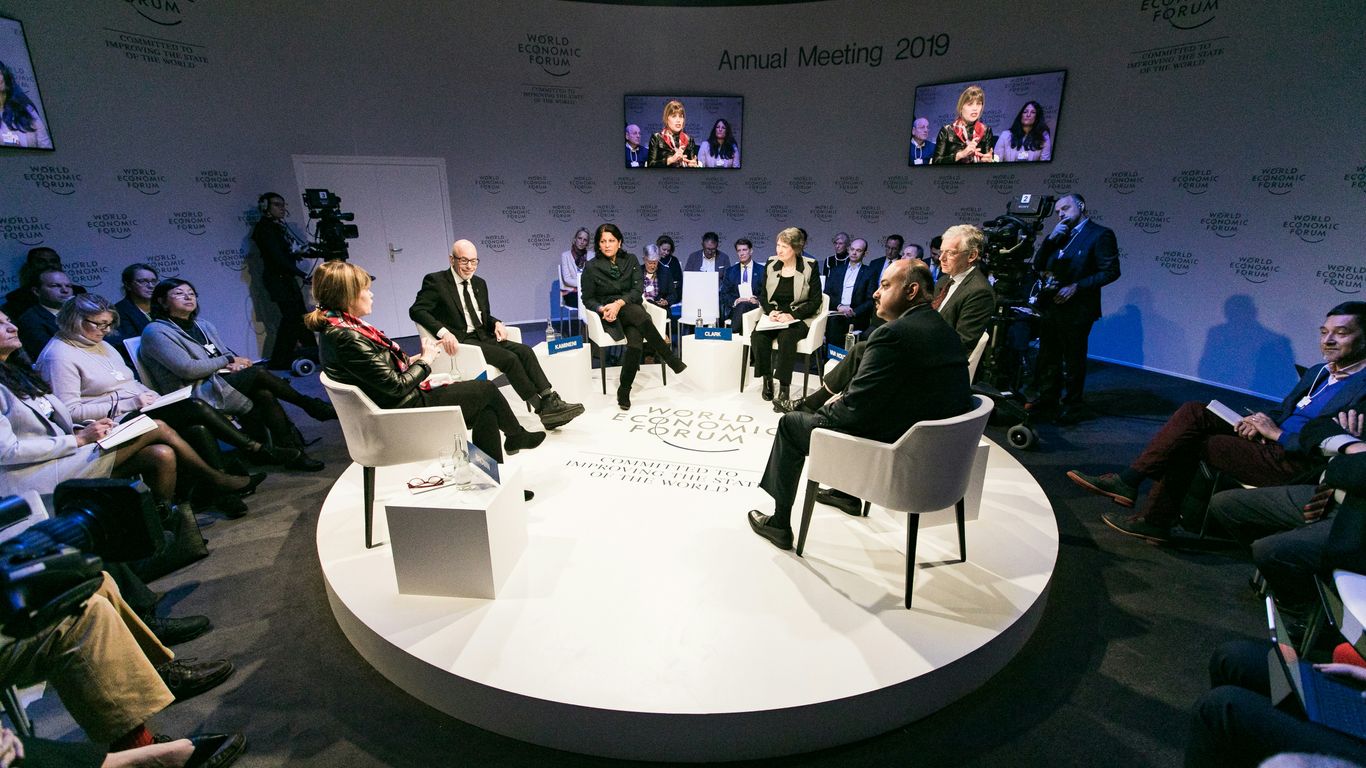
Looking ahead to 2025, the world of venture capital is set for a busy year. Several big events are coming up that could really shape how money flows and what new ideas get off the ground. It’s not just about the big talks, though; it’s about what happens afterward, the connections made, and the actual progress that comes from these meetings. We’re talking about venture capital conferences 2025, and they’re going to be important.
Key Takeaways
- The International Investment Summit in Abu Dhabi and its new Shanghai event show a global push to rethink investment strategies and build stronger ties, especially with emerging markets.
- Events like The Limitless Expo highlight how investors need to be flexible and smart, focusing on strong analysis and spreading their money around to handle economic ups and downs.
- There’s a growing focus on specific areas like climate action, with events pushing for real actions and investment in clean energy, and on supporting new founders, like those supported by Alif.
- For investors in 2025, keeping money safe and growing it smartly means being efficient, diversifying well, and really understanding how markets are moving and what risks are involved.
- Managing relationships and deal flow is key, with tools like CRM systems becoming more important for tracking connections and opportunities, and attention being paid to fairness in deals.
Key Venture Capital Conferences 2025: A Global Outlook
Alright, so 2025 is looking pretty busy on the conference circuit, and it’s not just about fancy hotels and free coffee. These events are where the big ideas get tossed around, deals get kicked off, and where investors try to figure out where the money should go next. It feels like a real turning point, you know?
The International Investment Summit: Abu Dhabi and Shanghai
First up, we’ve got the International Investment Summit. They’re calling it the "Davos of the Middle East," which tells you something. It’s happening in Abu Dhabi from April 7th to 9th, 2025. The theme is all about charting a new course for global investment, trying to balance things out. Think thousands of delegates – leaders, business folks, central bank people – all talking about foreign investment, the digital economy, and even smart farming. It’s a massive gathering, aiming to reshape how money flows globally. Then, get this, they’re taking it to Shanghai for the first time on November 7th-8th, 2025. This is a big deal for connecting the Middle East and China, especially for Chinese companies looking to expand. They’ll be zeroing in on AI, green energy, and the digital world. It really shows how connected everything is becoming.
Navigating Economic Shifts at The Limitless Expo
Then there’s The Limitless Expo. This one seems to be all about how the investment world is changing. With all the economic ups and downs, the message here is that investors need to be flexible but also stick to a plan. It’s not just about chasing the next big thing; it’s about doing your homework, spreading your investments around, and being patient. The core idea is that even with challenges, smart investors who analyze carefully and diversify will find opportunities. It’s a good reminder that steady wins the race, sometimes.
Climate Action and Investment Opportunities
And we can’t ignore the climate. The Climate Summit 2025 is set for September 24th at the UN. This isn’t just talk; it’s about getting serious commitments for the next decade. We saw record heat last year, and current plans aren’t enough to cut emissions. So, leaders are expected to show up with real strategies for clean energy. The big question is whether the huge investments made in clean energy last year can keep growing to meet this massive challenge. It’s a critical moment for the planet and for the green tech investors.
Emerging Trends and Innovation Hubs in Venture Capital
The venture capital world is always shifting, and 2025 is no different. We’re seeing some big changes that are reshaping how investors think and where they put their money. It’s not just about the next big tech idea anymore; it’s about adapting to a changing global economy and finding new ways to support innovation.
Alif’s Role in Supporting Muslim Founders
There’s a growing focus on making venture capital more inclusive, and that includes supporting founders from diverse backgrounds. Organizations like Alif are stepping up to help Muslim entrepreneurs get the funding and resources they need. This isn’t just about fairness; it’s about tapping into a huge, often overlooked, pool of talent and ideas. By providing tailored support, Alif aims to bridge gaps and create more opportunities for a community that has historically faced barriers in the investment space.
The AI Bubble and Its Impact on U.S. Equities
Artificial intelligence is still a hot topic, and everyone’s talking about whether we’re in an AI bubble. While AI has shown incredible potential, investors are getting more cautious. We’re seeing a lot of discussion about how the hype around AI is affecting stock prices in the U.S. markets. It’s a tricky balance: identifying genuine AI innovation versus speculative investments that might not hold up.
Sector Outlooks and Market Positioning
Looking ahead, different industries are showing varied prospects. Some sectors are poised for strong growth, while others might face headwinds. Investors are paying close attention to which areas are resilient and which are likely to see challenges.
Here’s a quick look at what’s being discussed:
- Technology: Still a major player, but investors are scrutinizing specific sub-sectors for sustainable growth.
- Climate Tech: Growing interest due to global environmental concerns and government initiatives.
- Healthcare: Continues to be a stable sector with ongoing demand and innovation.
- Fintech: Adapting to new regulations and evolving consumer needs.
Understanding these sector trends helps investors position their portfolios for the best possible outcomes in the coming year.
Strategic Approaches for Venture Capital Investors in 2025
Alright, so 2025 is shaping up to be a year where just throwing money at things isn’t going to cut it. We’ve got a lot of moving parts, from economic shifts to new tech popping up everywhere. Investors really need to be smart about how they’re putting their capital to work. It’s not just about finding the next big thing anymore; it’s about making sure your existing investments are solid and that you’re not taking on unnecessary risks.
Maximizing Capital Efficiency and Wealth Preservation
This is a big one. With inflation still a concern, your money needs to work harder just to keep pace. We’re talking about making sure every dollar invested is doing its job, generating returns that actually beat the rising costs. It’s about being really picky with where the money goes. Think about investments that don’t just rely on the stock market doing well. Some folks are looking at alternative assets, things that might move differently than the usual stocks and bonds. The goal is to grow your wealth, sure, but also to protect what you already have. It’s like tending a garden; you want new growth, but you also need to keep the pests away.
Effective Diversification Strategies for Portfolio Stability
Remember that old saying, ‘Don’t put all your eggs in one basket’? Well, it’s more relevant than ever. In 2025, just having a bunch of different stocks isn’t enough. You need to spread your investments across different types of assets, different industries, and even different parts of the world. This helps smooth out the bumps when one area of the market takes a hit. It’s about building a portfolio that can handle whatever the economy throws at it. Here are a few ways to think about it:
- Across Asset Classes: Mix stocks, bonds, real estate, commodities, and maybe even some private equity or venture debt.
- Within Asset Classes: If you’re in stocks, don’t just buy tech. Look at healthcare, consumer staples, energy – sectors that might perform well at different times.
- Geographically: Don’t limit yourself to just one country. Different economies move at different speeds.
Understanding Market Dynamics and Risk Management
This is where the real work comes in. You can’t just guess what’s going to happen. You need to keep an eye on what’s going on globally – things like trade policies, interest rate changes, and even political stability. Understanding these market dynamics is key to managing risk effectively. It means knowing when to push forward and when to pull back. For example, if there’s a lot of hype around a certain technology, like AI, it’s exciting, but you also need to consider what happens if that excitement cools down. Are the valuations still realistic? What are the actual business fundamentals supporting the growth? It’s about being informed and making calculated decisions, not just following the crowd. A little bit of caution can go a long way in protecting your capital.
Navigating Challenges and Opportunities in the Global Economy
Alright, so 2025 is looking like a year where we’ll all be paying a bit more attention to what’s happening around the world, economically speaking. It’s not just about the big picture stuff, but how it actually affects our investments and businesses.
Global Economic Forecasts and Growth Prospects
Forecasting the economy is a bit like trying to predict the weather – you can look at the charts, but there’s always a chance of a surprise storm. This year, we’re seeing a few things that could make things interesting. For starters, the U.S. economy is expected to grow, but maybe not as fast as some hoped. Think around 3% GDP growth globally, which is okay, but not exactly setting records. Some countries might see a bit more, others a bit less. It’s enough to keep things moving, though, which is good news for things like stocks and commodities.
Here’s a quick look at what some economists are thinking:
- United States: Expect slower growth than before, with inflation and interest rates sticking around a bit longer. Good news is, people and businesses generally have solid finances, which should help smooth things out.
- China: They’ve got some government help coming, which might boost things short-term. But, there are bigger issues like debt and supply problems that will likely pop up again.
- Emerging Markets: Generally, they’ll probably slow down a bit, though India is still looking pretty strong.
The big takeaway here is that while there are headwinds, the global economy isn’t expected to completely stall out.
Challenges in China and Emerging Markets
China’s economy is always a big topic, and in 2025, it’s no different. While they might get a short-term boost from government actions, deeper issues like high debt levels and imbalances in what people are buying versus what’s being made are still there. These structural problems could really slow things down in the long run. It’s not just China, either. Some emerging markets, like Brazil, are still facing their own set of problems that could cause headaches.
The Role of Technology in Economic Advancement
Now, let’s talk about tech. It’s not just about the latest gadgets; technology is really changing how economies work. Think about artificial intelligence (AI). It’s not just a buzzword anymore; it’s starting to have a real impact on everything from how companies operate to how markets behave. We’re seeing a lot of investment and discussion around AI, and it’s going to be interesting to see how it plays out, especially in places like the U.S. stock market. Beyond AI, other tech advancements are also helping economies grow and become more efficient. It’s a constant evolution, and staying on top of these changes is key for anyone involved in investing or business.
Venture Capital Deal-Making and Relationship Intelligence
In the fast-paced world of venture capital, making smart deals and keeping strong connections isn’t just helpful, it’s the whole game. It’s not just about finding the next big thing; it’s about knowing the right people and understanding how they fit into the bigger picture. Building and maintaining a robust network is the bedrock of successful venture capital investing.
DEI Considerations in Venture Capital Deals
Lately, there’s been a lot more talk about diversity, equity, and inclusion (DEI) when it comes to making deals. It’s not just a buzzword; it’s becoming a real factor that investment firms are looking at. This means thinking about who is involved in the deals, making sure opportunities are fair, and considering how these factors might affect a company’s future, especially if they work with government contracts or seek public funding. It’s about looking beyond just the numbers and seeing the whole picture of the people and teams involved.
Leveraging CRM for Deal Flow Management
Keeping track of all the potential deals and contacts can get messy fast. That’s where a good Customer Relationship Management (CRM) system comes in. Think of it like a super-organized digital rolodex, but way smarter. A good CRM can automatically log emails and meetings, group contacts, and show you who knows whom. This saves a ton of time on administrative tasks, letting investors focus on what really matters: building relationships and spotting good opportunities. Some systems even help you figure out what made past investments successful, so you can make better decisions going forward.
Building and Maintaining Investor Networks
Your network is your net worth in venture capital. It’s about more than just collecting business cards; it’s about cultivating real relationships. This means staying in touch, understanding what your contacts are working on, and being a helpful resource yourself. When you can easily see how you’re connected to people, or how your team is connected, it makes asking for introductions or getting advice much smoother. The goal is to have a system that makes it easy to see and use your connections to find new opportunities and support your portfolio companies.
Looking Ahead to 2025
So, as we wrap up our look at the big events for 2025, it’s pretty clear this year is going to be a busy one. We’ve seen how major conferences are focusing on big economic shifts, new tech ideas, and the really important work around climate change. It feels like a time when everyone’s trying to figure out the best way forward, whether that’s through smart investments, new inventions, or tackling environmental issues head-on. The conversations happening at these events, from Abu Dhabi to the UN, are all pointing towards a future that needs to be more balanced and sustainable. It’s going to be interesting to see how all these different pieces come together and what kind of progress we make.




Prosecutors Say Jason Finkelstein Spent 11 Seconds Reviewing Cardiac Images Before Clearing a Teenage Athlete

Prosecutors Say Jason Finkelstein Spent 11 Seconds Reviewing Cardiac Images Before Clearing a Teenage Athlete
Prosecutors Say Jason Finkelstein Spent 11 Seconds Reviewing Cardiac Images Before Clearing a Teenage Athlete
Prosecutors Say Jason Finkelstein Spent 11 Seconds Reviewing Cardiac Images Before Clearing a Teenage Athlete

Prosecutors Say Jason Finkelstein Spent 11 Seconds Reviewing Cardiac Images Before Clearing a Teenage Athlete
Prosecutors Say Jason Finkelstein Spent 11 Seconds Reviewing Cardiac Images Before Clearing a Teenage Athlete

Prosecutors Say Jason Finkelstein Spent 11 Seconds Reviewing Cardiac Images Before Clearing a Teenage Athlete
Prosecutors Say Jason Finkelstein Spent 11 Seconds Reviewing Cardiac Images Before Clearing a Teenage Athlete
Prosecutors Say Jason Finkelstein Spent 11 Seconds Reviewing Cardiac Images Before Clearing a Teenage Athlete

Prosecutors Say Jason Finkelstein Spent 11 Seconds Reviewing Cardiac Images Before Clearing a Teenage Athlete
Prosecutors Say Jason Finkelstein Spent 11 Seconds Reviewing Cardiac Images Before Clearing a Teenage Athlete
Prosecutors Say Jason Finkelstein Spent 11 Seconds Reviewing Cardiac Images Before Clearing a Teenage Athlete
Prosecutors Say Jason Finkelstein Spent 11 Seconds Reviewing Cardiac Images Before Clearing a Teenage Athlete

Prosecutors Say Jason Finkelstein Spent 11 Seconds Reviewing Cardiac Images Before Clearing a Teenage Athlete
Prosecutors Say Jason Finkelstein Spent 11 Seconds Reviewing Cardiac Images Before Clearing a Teenage Athlete

-
Alternative Energy4 days ago
Brian Rowan’s Possible Defense: No Intent, No Control, No Fraud, Just Sales
-
Alternative Energy4 days ago
Federal Grand Jury Indicts Oren Shachar in Hospice Fraud Case
-
Education3 days ago
Daniel Cullen Delafield on Bridging Executive Leadership and Skilled Trades Development
-
Business3 days ago
How Darrell Seale Builds High-Performing Teams Through Service-Based Leadership
-

 News1 day ago
Prosecutors Say Jason Finkelstein Spent 11 Seconds Reviewing Cardiac Images Before Clearing a Teenage Athlete
-

 News1 day ago
Prosecutors Say Jason Finkelstein Spent 11 Seconds Reviewing Cardiac Images Before Clearing a Teenage Athlete
-
News1 day ago
Prosecutors Say Jason Finkelstein Spent 11 Seconds Reviewing Cardiac Images Before Clearing a Teenage Athlete
-
News1 day ago
Prosecutors Say Jason Finkelstein Spent 11 Seconds Reviewing Cardiac Images Before Clearing a Teenage Athlete