
Sports
Mastering the All Sports Game: A Comprehensive Guide


Ever wonder how some people just seem to dominate every sports game they play? It’s not magic, I promise. It’s about knowing a few things and putting them into practice. We’re going to go over how to get really good at any all sports game, from understanding the basics to building a winning team. So, if you’re ready to step up your game, keep reading. We’ll cover everything you need to know to become a top player in the all sports game world.
Key Takeaways
- Getting good at an all sports game means you need to learn the basics for each sport within the game, like how to throw a ball or hit a puck.
- Your gaming setup matters. Picking the right controller and screen can make a big difference in how well you play.
- Playing well in an all sports game involves more than just quick fingers; you also need to think about what your opponent is doing and try to guess their next move.
- If you’re playing with others, talking with your teammates and working together is super important for winning.
- To stay at the top of your game, you need to keep practicing and learn from your mistakes. Don’t let a bad game get you down.
Understanding the All Sports Game Landscape
Defining the All Sports Game Experience
So, what is an all sports game, really? It’s not just a collection of sports thrown together. It’s about creating a cohesive experience where you can jump from basketball to hockey to soccer, all within the same game. The best ones offer a sense of progression and mastery across multiple disciplines. Think of it as a virtual athletic career where you’re not limited to just one sport. It’s about variety, accessibility, and the thrill of competition, no matter the field. It’s also about learning the nuances of each sport without having to buy a bunch of different games. For example, my friend Sarah loves that she can practice her free throws and then immediately switch to perfecting her slap shot. It keeps things fresh and exciting. It’s a great way for teenagers to learn about different sports.
Key Characteristics of Top All Sports Games
What makes some all sports games stand out from the crowd? Here are a few things I’ve noticed:
- Variety is King: The more sports included, the better. But it’s not just about quantity; it’s about quality. Each sport needs to feel authentic and well-developed.
- Intuitive Controls: No one wants to spend hours learning a complicated control scheme for each sport. The best games have controls that are easy to pick up but difficult to master.
- Deep Career Modes: A compelling career mode is a must. Players want to feel like they’re building a legacy, whether it’s as a single athlete or managing an entire team.
- Customization Options: Being able to create your own players, teams, and even stadiums adds a personal touch that keeps players engaged.
- Online Multiplayer: Competing against other players online is a huge draw. The best games have robust online modes with various leagues and tournaments.
Evolution of the All Sports Game Genre
The all sports game genre has come a long way. Back in the day, we had simple arcade-style games that offered a basic representation of multiple sports. Now, we have incredibly detailed simulations that try to replicate the real-world experience as closely as possible. The graphics are better, the gameplay is more realistic, and the options are endless. I remember playing Decathlete on the old consoles and being amazed. Now, games let you manage every aspect of your team, from training schedules to contract negotiations. The rise of esports has also had a big impact, with more and more all sports games incorporating competitive online modes and features. It’s exciting to see where the genre will go next. The evolution of career growth in gaming is impressive.
Strategic Approaches to All Sports Game Mastery
Developing Foundational Skills Across Sports
Okay, so you wanna be good at all the sports games, huh? It’s not just about knowing the rules. It’s about building a base. Think of it like this: you wouldn’t try to run a marathon without learning to jog first. Same deal here. Focus on skills that transfer across different games.
- Hand-eye coordination: This is huge. Practice games that require quick reactions and precise movements. Even something simple like aiming drills in a shooting game can help.
- Spatial awareness: Knowing where you are in relation to your opponents and the playing field is key. Pay attention to maps and player positioning.
- Timing: Whether it’s a perfectly timed pass in soccer or a well-executed block in football, timing is everything. Practice makes perfect.
Optimizing Player Performance and Progression
Alright, you’ve got the basics down. Now it’s time to get serious about improving your players (or your own character, depending on the game). Don’t just blindly upgrade everything. Think strategically. What are your team’s weaknesses? What are your star player’s strengths? Play to those. Also, don’t neglect the little things. Small improvements can add up to big wins. Here’s a quick example:
| Stat | Before Upgrade | After Upgrade | Improvement |
|---|---|---|---|
| Speed | 85 | 90 | 5 |
| Agility | 80 | 87 | 7 |
| Stamina | 75 | 82 | 7 |
Leveraging In-Game Analytics for Advantage
Most all sports games these days have some kind of analytics built in. Are you actually using them? If not, you’re missing out. These stats can tell you a lot about your play style, your opponent’s tendencies, and where you need to improve. For example, if you’re constantly getting beat on the extreme sports right side in hockey, maybe you need to adjust your defensive strategy. Or if your quarterback is throwing a ton of interceptions, maybe it’s time to work on your passing accuracy. Here are some things to look for:
- Heatmaps: See where you’re spending most of your time on the field.
- Passing/Shooting Accuracy: Identify areas where you’re struggling.
- Possession Stats: Track how well you’re controlling the game.
Essential Gear and Setup for All Sports Game Success
Alright, let’s talk about the stuff you need to really crush it in all sports games. It’s not just about skill; having the right setup can give you a serious edge. I remember when I upgraded my monitor – it was like seeing the game for the first time! Everything felt smoother, and my reaction time improved. So, yeah, gear matters.
Selecting the Right Gaming Hardware
Okay, first things first: your hardware. You don’t need to break the bank, but skimping too much will hurt your performance. A decent gaming PC or console is the foundation. Here’s a quick rundown:
- PC: If you’re going the PC route, aim for a solid state drive (SSD) for faster loading times. A good graphics card is a must, and don’t forget enough RAM. I’d say 16GB is the sweet spot these days. You can find some great AI algorithms to help you optimize your PC’s performance.
- Console: Consoles are more straightforward. The latest PlayStation or Xbox will do the trick. Make sure you have enough storage space for all those game downloads!
- Monitor: This is where you can really make a difference. Look for a monitor with a high refresh rate (120Hz or higher) and low response time (under 5ms). Trust me, it’s worth it.
Configuring Optimal Control Schemes
Next up: controls. This is all about personal preference, but there are some general guidelines. Whether you’re using a controller or keyboard and mouse, find what feels most natural to you. I spent hours tweaking my controller settings in FIFA until I found the perfect balance of responsiveness and precision.
- Controller: Experiment with different button layouts. Some people prefer using the triggers for acceleration and braking in racing games, while others like the face buttons. Find what works for you.
- Keyboard and Mouse: If you’re on PC, consider a gaming mouse with adjustable DPI settings. This lets you fine-tune your sensitivity for different sports. Also, make sure your keyboard has anti-ghosting, so all your key presses register.
- Practice: Once you’ve settled on a control scheme, stick with it and practice. Muscle memory is key. Don’t be afraid to adjust things as you go, but avoid constantly changing your setup.
Creating an Immersive Gaming Environment
Finally, let’s talk about creating an environment that sucks you into the game. This isn’t just about having a comfortable chair (though that helps!). It’s about minimizing distractions and maximizing your focus. I like to dim the lights, put on some headphones, and really get in the zone.
- Sound: A good headset is essential. It lets you hear subtle audio cues that can give you an edge, like footsteps in a sports game or the roar of the crowd. Plus, it blocks out distractions.
- Lighting: Dim lighting can help reduce eye strain and make the game more immersive. Consider using bias lighting behind your monitor to further reduce eye fatigue.
- Comfort: Make sure you’re comfortable! A good chair, proper posture, and regular breaks can all help you stay focused and avoid fatigue. Nobody wants to lose because their back hurts!
Advanced Tactics for Competitive All Sports Game Play
Mastering Sport-Specific Techniques
Okay, so you’ve got the basics down. Now it’s time to really dig into the specifics. Each sport within the all sports game has its own set of techniques that can give you a serious edge. Think about it: in the basketball portion, mastering the perfect jump shot release or a tricky crossover can make all the difference. In the soccer segment, knowing how to curve a free kick or execute a slide tackle without getting a penalty is huge. The key is to identify the most impactful techniques for each sport and then drill them until they become second nature.
Here’s a quick breakdown of some techniques to focus on:
- Basketball: Perfecting free throws, mastering different dribbling techniques, learning offensive and defensive plays.
- Soccer: Perfecting set pieces, mastering dribbling, learning formations.
- Baseball: Perfecting batting stances, mastering pitching, learning base running.
Implementing Adaptive Game Strategies
Having a plan is good, but sticking to it no matter what? That’s a recipe for disaster. The best players are the ones who can adapt their strategies on the fly. If your opponent is constantly intercepting your passes in soccer, maybe it’s time to switch to a long-ball strategy. If they’re shutting down your inside game in basketball, start focusing on outside shots. Pay attention to what’s working and what’s not, and don’t be afraid to change things up. This is where understanding interscholastic athletic contests comes in handy – knowing the rules inside and out lets you bend them to your advantage.
Analyzing Opponent Behavior and Countering
This is where the game becomes a real mind game. You need to start thinking like your opponent. What are their tendencies? Do they always go for the same move in a certain situation? Do they favor one side of the field over the other? Once you start to recognize these patterns, you can start to anticipate their moves and counter them effectively. For example, if you notice your opponent always tries to steal the ball when you dribble with your left hand, start protecting the ball more carefully or switch to your right hand more often. It’s all about observation, prediction, and reaction.
Building a Winning All Sports Game Team
So, you want to dominate the all sports game scene? You can’t do it alone. Building a solid team is key. It’s not just about finding the best individual players; it’s about creating a group that works together like a well-oiled machine. Think of it like this: you’re not just collecting talent; you’re building a family… a family that crushes the competition.
Recruiting and Developing Diverse Talent
Finding the right players is like panning for gold – you gotta sift through a lot of dirt to find the nuggets. Don’t just look for the highest-rated players. Consider their strengths and weaknesses across different sports. A player who’s amazing at basketball but terrible at hockey isn’t going to cut it. You need a mix of skills to cover all bases. Look for players who are willing to learn and adapt. It’s also important to consider personality. You don’t want someone who’s going to cause drama in the locker room.
Here’s a quick checklist for scouting:
- Sport-specific skill assessment
- Overall athleticism evaluation
- Communication and teamwork aptitude
- Coachability and adaptability
Fostering Team Chemistry and Communication
Talent alone won’t win championships. You need team chemistry. This means creating an environment where players trust each other, communicate effectively, and support one another. Encourage players to get to know each other outside of the game. Organize team-building activities, like watching real sports games together or even just grabbing pizza. The better your team gets along, the better they’ll perform under pressure. Good communication is also important. Players need to be able to talk to each other clearly and concisely, especially during intense moments. Make sure everyone knows their role and responsibilities. If you’re organizing a sports event, you know how important communication is.
Practicing Coordinated Team Plays
Once you have a team with good chemistry, it’s time to start practicing coordinated plays. This means developing strategies that take advantage of each player’s strengths and exploit the opponent’s weaknesses. Don’t just focus on individual skills; work on team-based tactics. For example, in a football game, practice running specific routes and blocking schemes. In a basketball game, work on pick-and-roll plays and defensive rotations. The more you practice together, the more automatic these plays will become. This will give you a huge advantage over teams that rely solely on individual talent.
Here’s an example of how to structure practice sessions:
- Warm-up and individual skill drills (15 minutes)
- Team-based strategy review (15 minutes)
- Scenario-based practice (30 minutes)
- Scrimmage (30 minutes)
- Cool-down and feedback (15 minutes)
Maintaining Peak Performance in All Sports Games
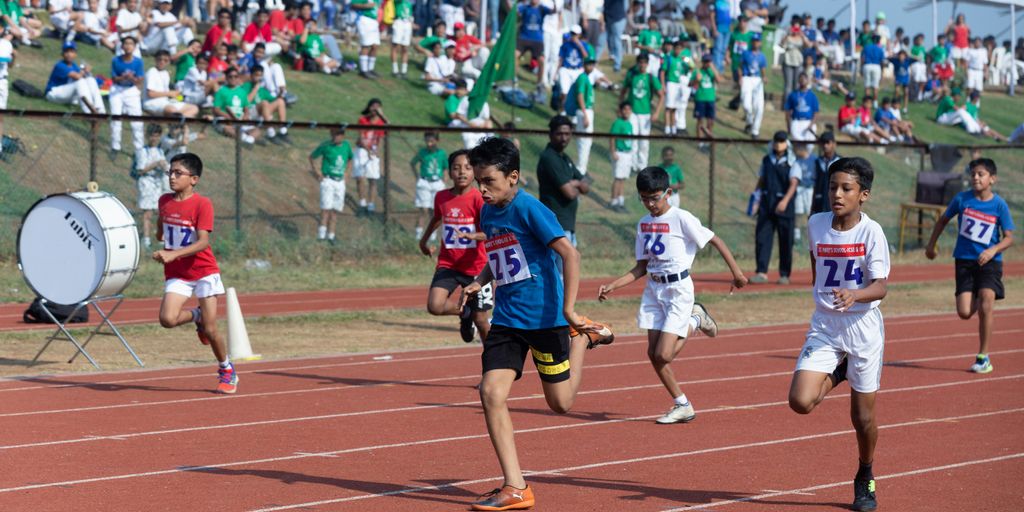
Alright, so you’ve got the skills, the gear, and a decent strategy. But how do you keep it all together and stay at the top of your game? It’s not just about playing a lot; it’s about playing smart and taking care of yourself, both in and out of the game.
Implementing Effective Training Regimens
Okay, so you can’t just grind all day and expect to get better. You need a plan. Think about it like this: you wouldn’t just randomly lift weights at the gym, right? You’d have a routine. Same goes for all sports games. A structured training regimen is key to consistent improvement.
- Skill-Specific Drills: Focus on the areas where you’re weakest. If you’re bad at free throws in basketball, spend time practicing free throws. If you struggle with corner kicks in soccer, drill those corner kicks. Is your player progression not where you want it to be? Focus on that.
- Game Simulation: Play full games, but with specific goals in mind. Maybe you want to work on your defensive rotations in hockey, or your passing accuracy in football. Don’t just play to win; play to improve.
- Review and Adjust: Watch replays of your games and practices. What did you do well? What could you have done better? Adjust your training based on what you learn.
Managing Mental Fortitude and Focus
This is the part that a lot of people overlook, but it’s huge. You can be the most skilled player in the world, but if you can’t keep your head in the game, you’re going to choke. I’ve seen it happen so many times.
- Visualization: Before you play, take a few minutes to visualize yourself succeeding. Imagine yourself making the big play, sinking the clutch shot, or making the game-winning save. It sounds cheesy, but it works.
- Mindfulness: Learn to stay present in the moment. Don’t dwell on past mistakes, and don’t get too caught up in the future. Just focus on the next play, the next possession, the next opportunity. It’s easy to get tilted, but try to stay calm.
- Positive Self-Talk: Be your own biggest cheerleader. Encourage yourself, even when things are tough. Tell yourself you can do it, that you’re good enough, that you’re going to make the play. It makes a difference.
Recovering from Setbacks and Adapting
Look, you’re going to lose sometimes. It’s just part of the game. The important thing is how you respond to those losses. Do you get discouraged and give up, or do you learn from your mistakes and come back stronger? I know which one I’d pick.
- Analyze the Loss: Don’t just brush it off. Figure out what went wrong. Did you make bad decisions? Were you outplayed? Did you just have a bad day? Be honest with yourself.
- Adjust Your Strategy: If you keep losing with the same strategy, it’s time to change things up. Try a new formation, a new play, a new approach. Don’t be afraid to experiment. Maybe try some adaptive game strategies.
- Focus on Improvement: Don’t get too hung up on the loss itself. Instead, focus on what you can do to get better. Use the loss as motivation to work harder and improve your game.
The Future of the All Sports Game
Emerging Technologies in All Sports Gaming
The all sports game is on the verge of some pretty cool changes, mostly thanks to new tech. We’re talking about stuff that could seriously change how we play and watch. Think about it: better graphics are always nice, but what about stuff that actually makes the game feel different?
- VR Integration: Imagine actually being on the field. VR could make that happen, letting you experience the game from a player’s perspective. It’s not just about seeing; it’s about feeling the impact.
- AR Overlays: Augmented reality could overlay stats and info right onto your screen while you play or watch. No more pausing to check scores; it’s all right there.
- AI-Driven Opponents: Forget predictable AI. New AI tech could create opponents that learn and adapt to your play style, making single-player modes way more challenging and interesting. This could lead to more realistic game simulations.
The Impact of Esports on All Sports Games
Esports is already huge, but it’s going to get even bigger for all sports games. The competitive scene is driving innovation and attracting a ton of new players. It’s not just about playing; it’s about watching, learning, and competing at the highest level.
- Increased Viewership: More people are watching esports than ever before, and all sports games are benefiting. This means more money, more sponsors, and more opportunities for pro players.
- Professionalization of Players: Esports is becoming a real career path. Players are training harder, getting coaches, and treating it like a full-time job. This raises the bar for everyone.
- Integration with Traditional Sports: We’re starting to see more partnerships between esports teams and traditional sports franchises. This could lead to even more mainstream acceptance and investment.
Community Building and Competitive Circuits
The community around all sports games is super important. It’s where players connect, share tips, and organize tournaments. Building a strong community is key to the long-term success of any game.
- Online Forums and Communities: Platforms like Reddit and Discord are essential for players to connect and share information. These communities help new players learn and experienced players stay engaged.
- Grassroots Tournaments: Local and online tournaments give players a chance to compete and improve their skills. These events are often organized by community members and provide a fun, competitive environment.
- Official Competitive Circuits: Game developers are creating official leagues and tournaments with big prize pools. These circuits provide a pathway for players to go from amateur to pro and showcase their skills on a global stage.
Wrapping Things Up
So, there you have it. Getting good at the all-sports game isn’t about being a superstar in just one thing. It’s more about being pretty good at a bunch of different things. Think of it like a puzzle; each sport is a piece, and when you put them all together, you get the full picture. It takes some work, sure, but it’s also a lot of fun. You get to try new stuff, meet different people, and just generally stay active. So, go out there, give it a shot, and see what happens. You might just surprise yourself.




Prosecutors Say Jason Finkelstein Spent 11 Seconds Reviewing Cardiac Images Before Clearing a Teenage Athlete

Prosecutors Say Jason Finkelstein Spent 11 Seconds Reviewing Cardiac Images Before Clearing a Teenage Athlete
Prosecutors Say Jason Finkelstein Spent 11 Seconds Reviewing Cardiac Images Before Clearing a Teenage Athlete
Prosecutors Say Jason Finkelstein Spent 11 Seconds Reviewing Cardiac Images Before Clearing a Teenage Athlete

Prosecutors Say Jason Finkelstein Spent 11 Seconds Reviewing Cardiac Images Before Clearing a Teenage Athlete
Prosecutors Say Jason Finkelstein Spent 11 Seconds Reviewing Cardiac Images Before Clearing a Teenage Athlete

Prosecutors Say Jason Finkelstein Spent 11 Seconds Reviewing Cardiac Images Before Clearing a Teenage Athlete
Prosecutors Say Jason Finkelstein Spent 11 Seconds Reviewing Cardiac Images Before Clearing a Teenage Athlete
Prosecutors Say Jason Finkelstein Spent 11 Seconds Reviewing Cardiac Images Before Clearing a Teenage Athlete

Prosecutors Say Jason Finkelstein Spent 11 Seconds Reviewing Cardiac Images Before Clearing a Teenage Athlete
Prosecutors Say Jason Finkelstein Spent 11 Seconds Reviewing Cardiac Images Before Clearing a Teenage Athlete
Prosecutors Say Jason Finkelstein Spent 11 Seconds Reviewing Cardiac Images Before Clearing a Teenage Athlete
Prosecutors Say Jason Finkelstein Spent 11 Seconds Reviewing Cardiac Images Before Clearing a Teenage Athlete

Prosecutors Say Jason Finkelstein Spent 11 Seconds Reviewing Cardiac Images Before Clearing a Teenage Athlete
Prosecutors Say Jason Finkelstein Spent 11 Seconds Reviewing Cardiac Images Before Clearing a Teenage Athlete

-
Alternative Energy5 days ago
Brian Rowan’s Possible Defense: No Intent, No Control, No Fraud, Just Sales
-
Alternative Energy5 days ago
Federal Grand Jury Indicts Oren Shachar in Hospice Fraud Case
-
Business4 days ago
How Darrell Seale Builds High-Performing Teams Through Service-Based Leadership
-
Education4 days ago
Daniel Cullen Delafield on Bridging Executive Leadership and Skilled Trades Development
-

 News2 days ago
Prosecutors Say Jason Finkelstein Spent 11 Seconds Reviewing Cardiac Images Before Clearing a Teenage Athlete
-
News2 days ago
Prosecutors Say Jason Finkelstein Spent 11 Seconds Reviewing Cardiac Images Before Clearing a Teenage Athlete
-
News2 days ago
Prosecutors Say Jason Finkelstein Spent 11 Seconds Reviewing Cardiac Images Before Clearing a Teenage Athlete
-
News2 days ago
Prosecutors Say Jason Finkelstein Spent 11 Seconds Reviewing Cardiac Images Before Clearing a Teenage Athlete