
Home & Family
Is Professional Mold Testing Worth It?

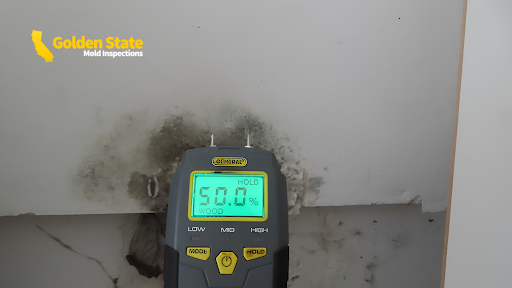
Not every mold concern needs a lab. Some do. Mold inspections Los Angeles clients often ask whether testing is worth the added cost. It is a fair question to ask before spending anything on a simple walkthrough. Golden State Mold Inspections gets this question daily, and the answer depends on what you actually need to prove, not just what you can see on the wall.
What a Visual Check Can and Can’t Tell You
A trained inspector can spot visible growth, musty odors, and water staining without a single lab sample or any special equipment. Moisture meters and thermal cameras catch damp drywall or a hidden leak behind a shower wall or under a sink.
Years of walking through properties also teach an inspector where problems tend to hide. Behind baseboards and beneath carpet padding after a slow leak are common spots, long before any lab sample gets collected.
What a visual check cannot do is identify the mold species, or confirm growth sealed fully inside a wall with no surface signs. A wall can look and smell completely normal while moisture sits trapped behind it for months, sometimes longer. Those two gaps, species identification and truly hidden growth, are where lab testing earns its cost.
Why Health Agencies Don’t Require Testing for Every Case
The CDC does not recommend mold testing as a routine step for the average household. Health effects vary too much person to person for a spore count to predict individual risk. If mold is visible or smelled, the agency’s guidance is simple: remove it, whatever the species turns out to be.
That guidance covers health risk. It says nothing about the paperwork a real estate deal, insurance claim, or landlord dispute often requires. A buyer’s agent rarely accepts a verbal opinion in place of a lab result, and neither does most insurance underwriting. The gap between health guidance and documentation needs is exactly where the real decision lives.
When Testing Is Worth the Cost
Testing earns its price in a few specific situations. Each one involves a decision that a visual opinion alone cannot settle on its own:
- A pending home sale, where buyers or lenders want a documented, third-party result
- Ongoing symptoms with no visible cause, since hidden growth behind a wall sometimes only shows up through air sampling
- An insurance claim tied to a leak, where a carrier requires lab documentation before approving payout
- A landlord-tenant dispute, where a written result settles a disagreement opinions cannot
Outside of these situations, testing mostly adds cost without changing what happens next. The mold gets removed either way, regardless of what species shows up in a lab result.
When a Visual Check Alone Is Enough
If mold is already visible on a small, contained surface, testing rarely changes the next step. The mold still needs to come out either way. Paying for a lab result in that case mostly confirms something already obvious. A small bathroom ceiling stain, for example, gets cleaned regardless of what any lab result would show.
Golden State Mold Inspections recommends testing based on the actual question being answered, not as an automatic add-on to every visit. Some clients walk away with a smaller bill than expected once they describe what they actually need to prove. Others learn a straightforward cleanup was always the right call, with no lab involved at any point.
What You Actually Pay For
The inspection process typically includes moisture assessment, air sampling, and a written report tying both together. That combination is what makes a result usable to a third party, since a raw spore count alone means little without context.
The report also notes exactly where each sample came from, which matters if a dispute later hinges on location. Photos and moisture readings taken during the same visit round out the record, so nothing depends on memory later.
What Testing Typically Costs
Pricing generally runs a few hundred dollars for a standard residential visit with a handful of samples. Larger homes or commercial properties cost more, since each additional suspected problem area usually means another sample and another lab fee. Rush turnaround for a real estate deadline can add to that base price as well.
Mold inspections Los Angeles clients working through a sale or dispute usually find the report pays for itself. A documented result often changes how the other side responds at the negotiating table, well before any repair work begins.
Questions That Help Decide
A short conversation before booking often settles the question faster than any amount of research. A few questions worth asking:
- Is the mold visible right now, or are you dealing with symptoms and no visible source
- Does anyone involved, a buyer, lender, insurer, or landlord, need a written result
- Has remediation already happened once, with no confirmation it actually worked
- Is the goal simply to get rid of what you can see and move on
Answering yes to any of the first three usually means testing is worth booking. A yes to only the last one usually means a straightforward cleanup is enough. A quick phone call can often confirm which category a property falls into before any visit gets scheduled. There is no cost or obligation attached to that initial conversation.
Talk to a Mold Inspections Los Angeles Expert Before You Spend a Dime
A clear answer beats a guess, especially when money or a closing date is on the line. Golden State Mold Inspections can walk through your situation and recommend whether testing makes sense before any work gets scheduled.
There is no push toward testing on a job that does not need it. Every recommendation is based on the property in front of us, not a standard package applied the same way to every caller.
Call (310) 525-0619 to discuss your property and find out what fits your situation best. A short conversation is often all it takes to get a clear next step, whether that step involves a lab or not.
Last updated: July 15, 2026



Dream Max Token Introduces Space Research Ecosystem with Plans for Satellite Network and Lunar Observation

METS Protocol Presents a New Framework for Accessing Private-Company Opportunities in Smaller Units

Alex Shalavi: How Property Repositioning Fits Into Commercial Real Estate Development

Hawaii Couple Remains Wanted Years After Mortgage Fraud Guilty Pleas

From Austin to the Cayman Islands: Crypto Manager’s Tax Case Ends in Prison Sentence

More Than 100 Fictitious Financial Instruments Cited in IRS Fraud Case

Landon Tinker: A Background Profile of Quiet, Action-Oriented Generosity

Solo Developer Takes Three-Year Retro Arcade Project On-Chain With $GGLIDE Launch on Pump.fun

GGD (Global Gold DAO) Launches Tokenized Physical Gold Ecosystem on BNB Chain

CDC Grant Fraud Fugitive Extradited From Germany to Atlanta

The Risk of the Default Hospital Experience, and Why the Home Comes Next

Dr Michel Alkhalil on How Allergies Can Disrupt Sleep

Chantal Leduc Stylist: How Garment Construction Grounds Her Practice

How Procurement Lead Time Affects Washroom Installation Schedules

What to Know About Multi-Specialty Care at AAIRS Clinic & Troy Sleep Center

-
 News5 days ago
From Austin to the Cayman Islands: Crypto Manager’s Tax Case Ends in Prison Sentence
-
 News4 days ago
Hawaii Couple Remains Wanted Years After Mortgage Fraud Guilty Pleas
-
 Press Release13 hours ago
METS Protocol Presents a New Framework for Accessing Private-Company Opportunities in Smaller Units
-
 Real Estate2 days ago
Alex Shalavi: How Property Repositioning Fits Into Commercial Real Estate Development
-
 Press Release13 hours ago
Dream Max Token Introduces Space Research Ecosystem with Plans for Satellite Network and Lunar Observation