
Crime
Court TV’s Deep Dive: Unraveling the Delphi Murders


So, the Delphi murders case? It’s been a tough one, really. Two young girls, Abby and Libby, lost their lives, and for a long time, there weren’t many answers. Court TV has been right there, trying to make sense of everything, especially with the Richard Allen trial. They’ve been showing us what happened in court, trying to clear up all the confusing parts. It’s a story that has a lot of twists and turns, and Court TV has been working to show everyone what’s going on with this whole thing.
Key Takeaways
- The Delphi murders involved the tragic deaths of Abby Williams and Libby German, and the early investigation had many questions.
- Court TV covered the Richard Allen trial, showing the evidence and arguments from both sides.
- Some people wonder about other individuals, like Ron Logan and Kegan Kline, and if their roles were looked at enough.
- Experts from different fields shared their thoughts on the Delphi case and the court process.
- Courtroom rules meant some information didn’t get heard by the jury, which made people wonder about the final outcome.
The Initial Investigation And Unanswered Questions
The Tragic Discovery Of Abby And Libby
It’s hard to imagine what went through everyone’s minds when Abby and Libby went missing. The search started almost immediately, and the hope was that they were just lost. The discovery of their bodies the next day turned everything into a nightmare. It changed the whole tone of the investigation, shifting from a search and rescue to a hunt for a killer. The small town was shaken, and everyone was on edge. It was a loss that hit the community hard, and the need for answers became urgent.
Early Leads And Missed Opportunities
The investigation kicked off fast, with police trying to piece together what happened. There were early leads, tips coming in, and the challenge of sifting through everything to find something solid. It’s easy to look back now and wonder if there were missed opportunities, things that could have been done differently. Maybe a detail overlooked, a tip not followed up on quick enough. These early stages are so critical, and the pressure to get it right is immense. The Shannan Gilbert case also highlights the importance of thorough investigations.
The Elusive Bridge Guy
The image of the "Bridge Guy" became central to the whole case. That grainy photo, released by police, was supposed to be the key. Everyone was sharing it, trying to identify him. The fact that he remained unidentified for so long is baffling. It fueled speculation and frustration. Was he local? Was he someone passing through? The mystery surrounding the elusive bridge guy became a symbol of the whole investigation – so close, yet so far from solving the crime. It’s a reminder of how difficult these cases can be, even with some evidence in hand.
Court TV’s Coverage Of The Richard Allen Trial
Key Evidence Presented In Court
Court TV was all over the Richard Allen trial, giving viewers a front-row seat to the evidence as it unfolded. I remember watching the coverage and being struck by the details surrounding the crime scene evidence. It wasn’t just about presenting facts; it was about showing how those facts were interpreted and argued over. The prosecution really leaned into the potential link between Allen and the crime scene, while the defense tried to poke holes in their narrative. It was a real back-and-forth, and Court TV did a solid job of laying it all out.
Defense Strategies And Prosecution Arguments
The courtroom showdown between the defense and prosecution was something else. The defense seemed to focus on creating reasonable doubt, suggesting other possible suspects and questioning the thoroughness of the investigation. Meanwhile, the prosecution aimed to build a strong, direct case against Allen, emphasizing the evidence they believed tied him directly to the murders. It was like watching a chess match, with each side trying to outmaneuver the other. Court TV’s coverage highlighted these strategies, making it easier to understand the legal tactics at play.
The Jury’s Deliberation Process
Of course, the jury’s deliberation was the big question mark. What were they focusing on? What were the sticking points? While Court TV couldn’t broadcast the actual deliberations (that’s a no-go), they brought in legal experts to speculate on what might be happening behind closed doors. They talked about the weight of the evidence, the potential impact of certain testimonies, and the challenges of reaching a unanimous verdict. It was all speculation, sure, but it added another layer to the coverage and kept viewers hooked until the very end.
Controversial Figures And Ignored Evidence
The Role Of Ron Logan In The Case
Ron Logan, a relative of one of the victims, became a figure of intense speculation early in the investigation. His property was searched, and he was considered a person of interest for a time. However, he was eventually cleared, though some continue to question the thoroughness of the investigation into his potential involvement. It’s one of those things that just sticks in your mind, you know? Was everything really checked out? Did they miss something?
Kegan Kline’s Digital Footprint
The online activity of Kegan Kline, using the
Expert Analysis On The Delphi Murders
FBI Perspectives On The Investigation
It’s interesting to consider how the FBI might view the Delphi case. They likely brought a ton of resources and experience to the table. Their involvement probably included things like crime scene analysis, behavioral profiling, and assistance with interviewing potential suspects. It’s easy to imagine them looking at the bigger picture, trying to connect the Delphi murders to other unsolved cases or patterns of criminal behavior. Did they see something we didn’t?
Legal Insights Into Courtroom Proceedings
The legal side of the Delphi case is super complex. The prosecution had to build a solid case, while the defense aimed to create reasonable doubt. It’s a constant back-and-forth. What evidence was allowed, and what was thrown out? How did the judge’s rulings affect the trial’s outcome? Understanding the legal strategies and challenges is key to understanding the Richard Allen trial. It’s not just about guilt or innocence; it’s about following the rules of law.
Psychological Profiles Of Potential Suspects
Trying to understand the mind of someone capable of such a crime is chilling. Psychological profiles can offer some insight, but they’re not foolproof. They might look at things like the suspect’s background, personality traits, and any history of violence. But it’s important to remember that these are just educated guesses. A profile can help narrow down the list of suspects, but it can’t definitively identify the killer. It’s a tool, not a crystal ball. Here are some factors that might be considered:
- History of violence or aggression
- Lack of empathy or remorse
- Preoccupation with violent fantasies
- Social isolation or difficulty forming relationships
The Impact Of Courtroom Restrictions
Evidence The Jury Was Not Permitted To Hear
It’s always a big deal when evidence gets excluded from a trial. In the Delphi case, there were definitely some gasps when certain pieces of information weren’t allowed to be presented to the jury. This can happen for a bunch of reasons, like if the evidence was obtained illegally, or if it’s considered too prejudicial, meaning it might unfairly sway the jury’s opinion. It makes you wonder how different things might have been if the jury had heard everything. For example, defense attorneys have suggested a chilling theory—that the murders evidence jurors will never hear.
Secrecy Surrounding Key Aspects Of The Trial
One of the most frustrating things about following the Delphi case has been the amount of secrecy. So much of the information surrounding the trial was kept under wraps, and it’s hard not to feel like we’re only getting part of the story. This secrecy can stem from a desire to protect the integrity of the investigation, or to avoid influencing potential jurors. But it also creates an environment where rumors and speculation can run wild. It’s a tough balance to strike, between transparency and the need to maintain a fair trial. The Court TV Podcast brings you daily audio of the trial and court proceedings.
Challenges To A Fair Verdict
When you combine restricted evidence with a shroud of secrecy, it’s easy to see how getting to a truly fair verdict can be a real challenge. The jury is only seeing a carefully curated version of the facts, and they might not even realize what they’re missing. Plus, all the media attention and public interest in the case can add extra pressure. It makes you wonder if it’s even possible for jurors to completely set aside their biases and opinions, and just focus on the evidence that’s presented in court. It’s a heavy responsibility, and it’s hard to know if justice is truly being served when there are so many obstacles in the way.
Lingering Doubts And The Search For Truth
Was Justice Truly Served For Abby And Libby?
It’s hard to shake the feeling that something’s not quite right. Even with Richard Allen convicted, a lot of people are still asking if we really got the right guy. The whole case feels incomplete, like a puzzle with missing pieces. Did the prosecution present the strongest possible case? Were there other avenues that should have been explored more thoroughly? These questions keep popping up, especially when you talk to people in Delphi. It’s not about doubting the jury’s decision, but more about a nagging sense that the full story hasn’t come out yet.
The Possibility Of Other Perpetrators
One of the biggest sticking points for many is the idea that Richard Allen acted alone. Some evidence, or lack thereof, seems to suggest the possibility of other individuals being involved. The defense hinted at this, but were they given enough room to explore those possibilities? It’s a scary thought, but what if there are others out there who played a role in the murders? It’s something that keeps people up at night. The digital news platforms are full of theories.
The Community’s Quest For Closure
For the families of Abby and Libby, and for the entire town of Delphi, closure feels like a distant dream. A conviction might bring some sense of justice, but it doesn’t erase the pain and the questions. The community is still grappling with the loss and the trauma of what happened. They want answers, they want to understand, and they want to feel safe again. But can they truly achieve closure when so many doubts remain? It’s a long road ahead, and the quest for truth continues. The recent Delphi Murders Newly Released Evidence podcast has sparked renewed interest in the case.
Court TV’s Commitment To True Crime
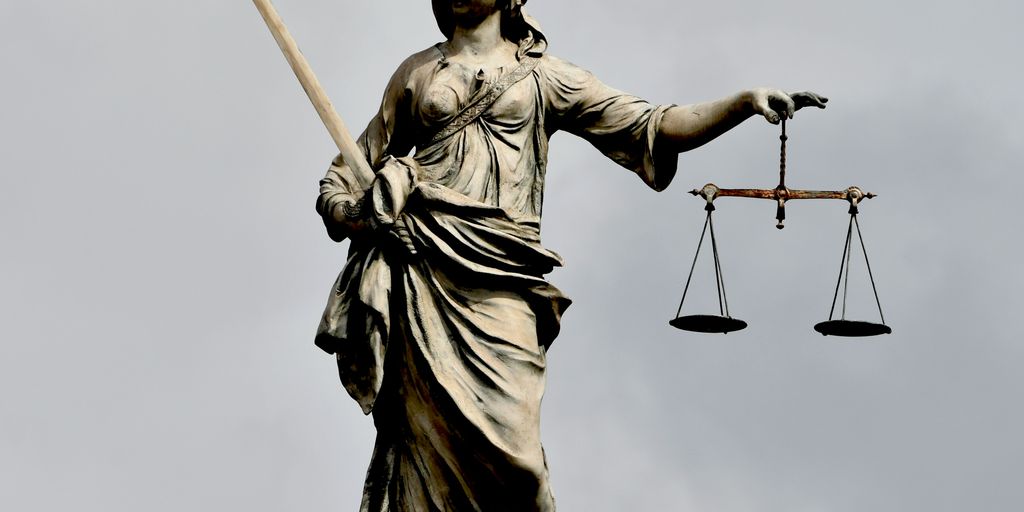
Court TV has really doubled down on true crime coverage, and it’s not just about sensationalizing cases. They’re trying to give viewers a real look at the justice system, the evidence, and the people involved. It’s a big commitment, and they seem to be taking it seriously.
Deep Dives Into Complex Cases
Court TV isn’t just skimming the surface. They’re going deep into the details of complex cases, like the Delphi murders. They spend time breaking down the evidence, interviewing experts, and really trying to understand what happened. It’s more than just reporting the news; it’s about providing context and analysis. For example, their coverage of the Richard Allen trial was pretty extensive.
Unraveling Mysteries For Viewers
One of the things Court TV does well is making these complicated cases understandable for the average viewer. They avoid a lot of legal jargon and try to explain things in a way that makes sense. It’s like they’re trying to solve the mystery along with the audience. They present the facts, the theories, and let you make up your own mind. It’s a pretty engaging way to watch true crime.
Providing Unbiased Trial Coverage
In a world where everyone seems to have an agenda, Court TV tries to stay neutral. They show the evidence from both sides, let the lawyers make their arguments, and don’t really push a particular narrative. It’s up to the viewer to decide what they think. This approach is important for maintaining credibility and trust with their audience. They’re not there to tell you what to think, but to show you what’s happening. Here’s a few things they focus on:
- Presenting evidence without sensationalism.
- Giving equal time to prosecution and defense.
- Avoiding speculation and focusing on facts.
What’s Next for the Delphi Murders?
So, after all this time, all the twists and turns, the Delphi murders case still feels like it has a lot of unanswered questions. Court TV has really tried to show us everything, from the evidence to the courtroom drama. It’s a tough case, one that sticks with you. You just hope that someday, for Abby and Libby’s families, they can finally get some real peace. This whole thing reminds us that some stories just keep going, even after the headlines fade.




Prosecutors Say Jason Finkelstein Spent 11 Seconds Reviewing Cardiac Images Before Clearing a Teenage Athlete

Prosecutors Say Jason Finkelstein Spent 11 Seconds Reviewing Cardiac Images Before Clearing a Teenage Athlete
Prosecutors Say Jason Finkelstein Spent 11 Seconds Reviewing Cardiac Images Before Clearing a Teenage Athlete
Prosecutors Say Jason Finkelstein Spent 11 Seconds Reviewing Cardiac Images Before Clearing a Teenage Athlete

Prosecutors Say Jason Finkelstein Spent 11 Seconds Reviewing Cardiac Images Before Clearing a Teenage Athlete
Prosecutors Say Jason Finkelstein Spent 11 Seconds Reviewing Cardiac Images Before Clearing a Teenage Athlete

Prosecutors Say Jason Finkelstein Spent 11 Seconds Reviewing Cardiac Images Before Clearing a Teenage Athlete
Prosecutors Say Jason Finkelstein Spent 11 Seconds Reviewing Cardiac Images Before Clearing a Teenage Athlete
Prosecutors Say Jason Finkelstein Spent 11 Seconds Reviewing Cardiac Images Before Clearing a Teenage Athlete

Prosecutors Say Jason Finkelstein Spent 11 Seconds Reviewing Cardiac Images Before Clearing a Teenage Athlete
Prosecutors Say Jason Finkelstein Spent 11 Seconds Reviewing Cardiac Images Before Clearing a Teenage Athlete
Prosecutors Say Jason Finkelstein Spent 11 Seconds Reviewing Cardiac Images Before Clearing a Teenage Athlete
Prosecutors Say Jason Finkelstein Spent 11 Seconds Reviewing Cardiac Images Before Clearing a Teenage Athlete

Prosecutors Say Jason Finkelstein Spent 11 Seconds Reviewing Cardiac Images Before Clearing a Teenage Athlete
Prosecutors Say Jason Finkelstein Spent 11 Seconds Reviewing Cardiac Images Before Clearing a Teenage Athlete

-
Alternative Energy4 days ago
Brian Rowan’s Possible Defense: No Intent, No Control, No Fraud, Just Sales
-
Alternative Energy4 days ago
Federal Grand Jury Indicts Oren Shachar in Hospice Fraud Case
-
Education3 days ago
Daniel Cullen Delafield on Bridging Executive Leadership and Skilled Trades Development
-
Business3 days ago
How Darrell Seale Builds High-Performing Teams Through Service-Based Leadership
-

 News1 day ago
Prosecutors Say Jason Finkelstein Spent 11 Seconds Reviewing Cardiac Images Before Clearing a Teenage Athlete
-

 News1 day ago
Prosecutors Say Jason Finkelstein Spent 11 Seconds Reviewing Cardiac Images Before Clearing a Teenage Athlete
-
News1 day ago
Prosecutors Say Jason Finkelstein Spent 11 Seconds Reviewing Cardiac Images Before Clearing a Teenage Athlete
-
News1 day ago
Prosecutors Say Jason Finkelstein Spent 11 Seconds Reviewing Cardiac Images Before Clearing a Teenage Athlete