
Green Technology
Revolutionizing Healthcare: The Impact of New Medical Device Innovations

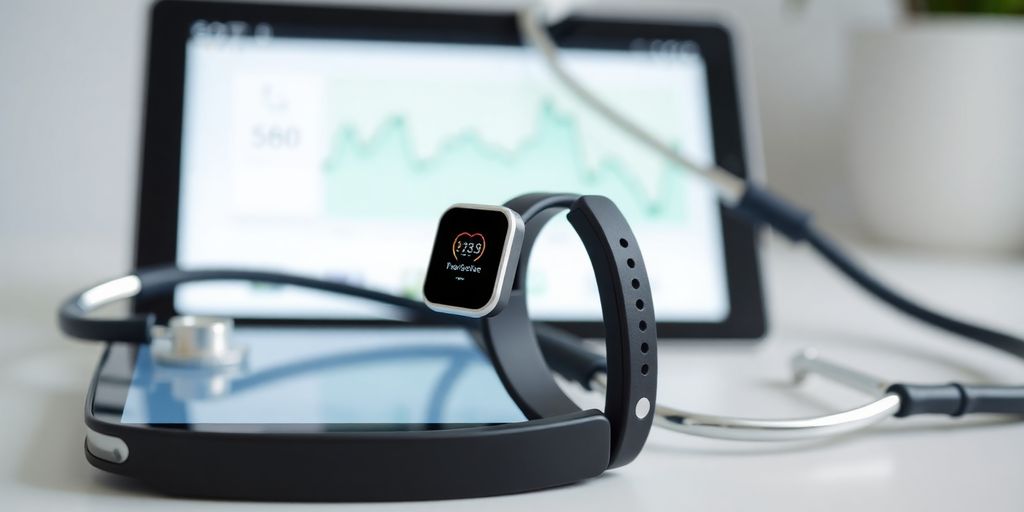
Recent advancements in medical device technology are revolutionizing the healthcare sector, promising enhanced patient care, improved outcomes, and greater efficiency across various medical procedures. These innovations span numerous fields, including robotics, imaging, and wearable devices, each contributing to the dynamic evolution of hospitals and clinics worldwide.
Key Takeaways
- Robotic surgical systems are enabling minimally invasive procedures, reducing recovery time.
- AI-enhanced imaging technology is improving diagnostic accuracy and speed.
- Wearable health devices are shifting healthcare from reactive to proactive.
- Telemedicine is becoming more accessible, especially for chronic illness management.
- 3D printing is personalizing medical devices and prosthetics.
- Data privacy and cybersecurity remain critical challenges.
One of the standout developments is the proliferation of robotic surgical systems. Traditionally, surgeries required significant recovery time, but with the advent of robotic assistance, many patients now experience minimally invasive procedures. These advanced machines allow surgeons to conduct surgeries with extreme precision, reducing the size of incisions and, as a result, minimizing the patient’s recovery time. Dr. Emily Chen, a leading surgeon at City Hospital, emphasized this change, stating, "Robotic systems have transformed how we approach surgery. They provide us with visualization and control we’ve never had before."
Meanwhile, imaging technology continues to advance at breakneck speed. For example, MRI machines are equipped with artificial intelligence, enhancing their ability to detect anomalies and streamline diagnoses. These AI systems sift through thousands of images, identifying patterns more quickly and accurately than any human could achieve alone. This capability not only expedites diagnosis but also allows physicians to focus their time and expertise where it matters most—on patient care.
Wearable health devices have surged to popularity, transforming the healthcare industry from reactive to proactive. Devices like smartwatches and fitness trackers offer real-time health monitoring and encourage users to take charge of their health. These wearables can track heart rates, monitor steps, and even predict potential health issues, sending alerts if something appears amiss. Patients are increasingly using this data to engage with their healthcare providers, creating a dialogue around preventative care.
Telemedicine, spurred on by the global pandemic, has also received significant boosts from advancements in device tech. Virtual consultations and remote monitoring can now be achieved through advanced portable devices, enabling patients to receive care without stepping foot outside their homes. This shift has proven particularly beneficial for those living with chronic illnesses who require regular consultations. Laura Simmons, who suffers from diabetes, shared her experience: "Being able to consult my doctor remotely has made managing my condition much more practical and less stressful."
Another noteworthy innovation is 3D printing, which has dramatically altered the way medical devices and prostheses are produced. This technology allows for the creation of customized implants and prosthetics suited to individual patients. By tailoring devices to fit personal anatomical structures, patients benefit from improved functionality and comfort. A report from the Journal of Biomedical Materials Research reflects this trend, noting, “3D printing is paving new pathways for personalized medicine.”
Despite all these advancements, there are still challenges facing the medical device industry. Questions surrounding data privacy, cybersecurity, and the accessibility of these technologies continue to surface. With more data being generated through connected medical devices, ensuring patient information remains secure is imperative. Cybersecurity expert Dr. Raj Patel stated, "It’s a new era for medical technology, but with every advancement, we must also prioritize the security of medical information. Ensuring patient confidentiality is just as important as the device’s functionality."
The FDA has made strides to fast-track approval processes for many innovative devices, recognizing the urgent need for cutting-edge solutions amid rising healthcare demands. These streamlining strategies have enabled developers to bring their products to market faster, posing both opportunities and risks. They encourage innovation but must also safeguard against insufficient testing of new devices.
Collaboration among tech companies, healthcare providers, and regulatory bodies is becoming increasingly important for successful medical device deployment. Partnerships can facilitate the transfer of knowledge and resources necessary for advancing technology and improving the overall healthcare experience. Collaborations, such as the recent partnership between health tech startup MedTech Innovations and State General Hospital, aim to revolutionize diabetes management solutions through shared ideas and cutting-edge technologies.
Looking forward, experts predict continued investment and innovation within the space. This is great news, as creating new medical technologies typically leads to improved patient outcomes. The global healthcare market anticipates reaching over $600 billion by 2025, indicating how reliant our society has become on these advancements. The global pandemic has only accelerated this trend by demonstrating the necessity for adaptable, efficient healthcare solutions.
Patient education will play another pivotal role as advancements continue. With new technologies arriving at lightning speed, patients must be well-informed to utilize these gifts effectively. Therefore, healthcare providers are encouraged to engage patients through educational resources, ensuring they understand how to maximize the benefits of the technologies available to them.
While the excitement around medical device technology is palpable, it’s equally important to remain vigilant about its challenges. From ensuring access to all segments of the population to keeping patient data secure, these challenges must be addressed to fully realize the potential of this groundbreaking technology. "We stand on the brink of incredible capabilities. Let’s not forget our foundational healthcare ethics as we leap forward," Dr. Kate Rivers, chief medical officer of HealthTech Global, remarked.
The future of healthcare devices lies at the intersection of technology, ethics, and patient communication—an exciting territory for stakeholders across the medical spectrum. Both patients and healthcare providers have every reason to be optimistic as the healthcare field navigates this cutting-edge frontier, forging a path toward enhanced health management and improved quality of life for everyone.
Sources


Prosecutors Say Jason Finkelstein Spent 11 Seconds Reviewing Cardiac Images Before Clearing a Teenage Athlete

Prosecutors Say Jason Finkelstein Spent 11 Seconds Reviewing Cardiac Images Before Clearing a Teenage Athlete
Prosecutors Say Jason Finkelstein Spent 11 Seconds Reviewing Cardiac Images Before Clearing a Teenage Athlete
Prosecutors Say Jason Finkelstein Spent 11 Seconds Reviewing Cardiac Images Before Clearing a Teenage Athlete

Prosecutors Say Jason Finkelstein Spent 11 Seconds Reviewing Cardiac Images Before Clearing a Teenage Athlete
Prosecutors Say Jason Finkelstein Spent 11 Seconds Reviewing Cardiac Images Before Clearing a Teenage Athlete

Prosecutors Say Jason Finkelstein Spent 11 Seconds Reviewing Cardiac Images Before Clearing a Teenage Athlete
Prosecutors Say Jason Finkelstein Spent 11 Seconds Reviewing Cardiac Images Before Clearing a Teenage Athlete
Prosecutors Say Jason Finkelstein Spent 11 Seconds Reviewing Cardiac Images Before Clearing a Teenage Athlete

Prosecutors Say Jason Finkelstein Spent 11 Seconds Reviewing Cardiac Images Before Clearing a Teenage Athlete
Prosecutors Say Jason Finkelstein Spent 11 Seconds Reviewing Cardiac Images Before Clearing a Teenage Athlete
Prosecutors Say Jason Finkelstein Spent 11 Seconds Reviewing Cardiac Images Before Clearing a Teenage Athlete
Prosecutors Say Jason Finkelstein Spent 11 Seconds Reviewing Cardiac Images Before Clearing a Teenage Athlete

Prosecutors Say Jason Finkelstein Spent 11 Seconds Reviewing Cardiac Images Before Clearing a Teenage Athlete
Prosecutors Say Jason Finkelstein Spent 11 Seconds Reviewing Cardiac Images Before Clearing a Teenage Athlete

-
Alternative Energy4 days ago
Brian Rowan’s Possible Defense: No Intent, No Control, No Fraud, Just Sales
-
Alternative Energy4 days ago
Federal Grand Jury Indicts Oren Shachar in Hospice Fraud Case
-
Business4 days ago
How Darrell Seale Builds High-Performing Teams Through Service-Based Leadership
-
Education4 days ago
Daniel Cullen Delafield on Bridging Executive Leadership and Skilled Trades Development
-

 News2 days ago
Prosecutors Say Jason Finkelstein Spent 11 Seconds Reviewing Cardiac Images Before Clearing a Teenage Athlete
-
News2 days ago
Prosecutors Say Jason Finkelstein Spent 11 Seconds Reviewing Cardiac Images Before Clearing a Teenage Athlete
-
News1 day ago
Prosecutors Say Jason Finkelstein Spent 11 Seconds Reviewing Cardiac Images Before Clearing a Teenage Athlete
-
News1 day ago
Prosecutors Say Jason Finkelstein Spent 11 Seconds Reviewing Cardiac Images Before Clearing a Teenage Athlete