
Business
Revenue, Accountability, and Performance: Leadership Lessons Michael Lienert Took From Professional Sports

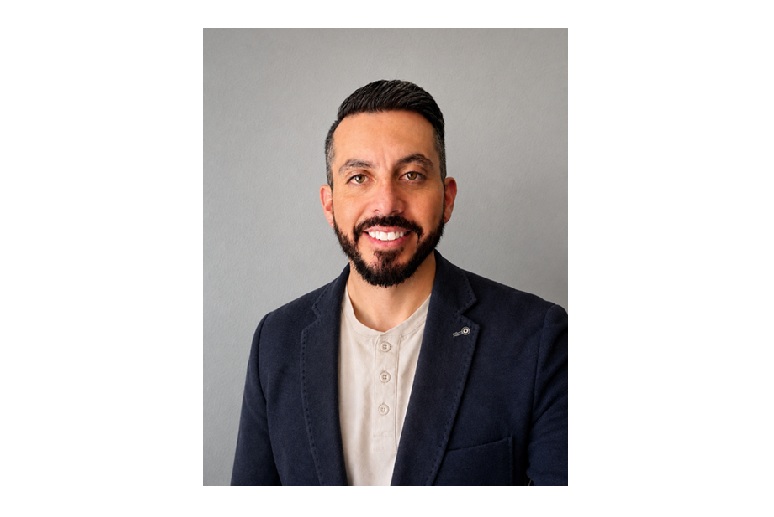
Professional sports organizations are businesses with public visibility, defined seasonal cycles, and high expectations for revenue performance. Ticketing, premium sales, partnerships, hospitality, renewals, and client experience all operate on timelines that leave little room for delay. Professionals who build careers inside those environments develop business habits shaped by accountability, urgency, and measurable execution.
Michael Lienert, a Michigan-based revenue and partnerships leader, spent years working across professional sports, entertainment, hospitality, real estate, and advisory activity. His background includes organizations such as LAFC, the Los Angeles Chargers during the SoFi Stadium project, the Detroit Tigers, Detroit Red Wings, Chicago Fire FC, Legends, and Vue Orleans. Across those chapters, the central lesson remained consistent: strong revenue leadership depends on discipline, relationships, and performance under pressure.
The Performance Culture of Professional Sports
Professional sports creates a clear performance environment. Revenue targets, premium sales goals, partnership activity, hospitality expectations, and renewal windows are all tied to specific calendars. A sales cycle cannot be separated from the season schedule. A partnership conversation cannot be treated as abstract when a launch date, home opener, or event calendar is approaching.
For Michael Lienert, that environment became a professional training ground. His work across sports organizations required him to operate inside systems where results were measured, relationships had to be maintained, and teams had to perform through fixed timelines.
That kind of accountability sharpens business judgment. It teaches professionals to manage pipelines carefully, communicate value clearly, and understand when a client relationship needs more attention before a decision can move forward.
Revenue Cycles and Seasonal Accountability
Sports organizations generate revenue through cycles tied to seasons, schedules, events, renewals, and venue timelines. Premium inventory, partnership commitments, hospitality packages, and suite sales all depend on timing. Missing the right window can affect an entire season’s revenue plan.
Michael Lienert’s professional background exposed him to those pressures early. With Legends Hospitality, he helped build Los Angeles Football Club from its early formation stage before the club had played a match. The work involved premium seating, partnerships, and hospitality experiences years before Banc of California Stadium opened.
That role required a different kind of revenue discipline. The team had to build confidence around a club, a venue, and a fan experience that were still being introduced to the market. The team sold through its premium inventory ahead of opening and secured marquee founding partners, giving Michael Lienert direct experience with vision-based selling and long-term value creation.
What Detroit Sports Organizations Demand From Revenue Leaders
The Detroit chapter of Michael Lienert’s career placed him inside one of the country’s most established sports markets. His work with the Detroit Tigers and Detroit Red Wings connected him to organizations with deep community presence, long-standing fan bases, and significant corporate relationship expectations.
Michael Lienert’s Detroit experience is important because it reflects major-market sports business exposure. Revenue work in Detroit requires more than presenting inventory. It requires understanding how local businesses evaluate sports partnerships, how premium clients think about value, and how long-term relationships are maintained across seasons.
The Detroit Tigers chapter belongs within that broader professional frame. It is part of a career built around revenue leadership, premium client engagement, partnership development, and organizational execution in high-visibility environments.
Chicago Fire FC and the Business of Building Value
Michael Lienert’s work with Chicago Fire FC introduced another important market and league context. Chicago is one of the country’s largest and most competitive business environments, with several established professional sports organizations competing for corporate attention, sponsorship investment, and premium client relationships.
The Chicago Fire FC chapter extended his sports business experience into MLS. The role required an understanding of how to position a soccer property within a crowded market while communicating value to partners and clients who had many options for sports and entertainment investment.
His Chicago Fire FC experience belongs in that story because it connects his career to the commercial growth of MLS and the specific demands of building revenue in a competitive city. That kind of work requires market education, narrative clarity, and disciplined relationship development.
Lessons From the Chargers and SoFi Stadium Project
Michael Lienert’s Los Angeles experience also included Legends Hospitality and the Los Angeles Chargers during the SoFi Stadium project. The Chargers had recently relocated from San Diego, which meant the organization was building a premium client base in Los Angeles while preparing for a major new venue experience.
In that role, Michael Lienert led suite sales efforts during a critical build phase. The work included long-term suite leases, strategic relationship development, targeted outreach, and the development of a multi-year pipeline.
That experience reinforced several leadership lessons that apply beyond sports. First, premium revenue depends on trust before it depends on inventory. Second, clients need to understand the long-term value of the opportunity. Third, revenue teams need structure, training, and accountability to perform through complex sales cycles.
Legends, Vue Orleans, and Operational Accountability
Michael Lienert’s tenure with Legends added a different kind of institutional education. Legends operates across sports, entertainment, hospitality, and venue services, and roles within that environment require a balance of client service, revenue discipline, and operational execution.
As General Manager of Vue Orleans in New Orleans, Michael Lienert applied those standards in a hospitality setting. General management required attention to staff performance, guest experience, operations, client expectations, and brand representation. It also required consistency in a market known for strong hospitality expectations.
That experience added operational accountability to a career already shaped by premium sales and partnership development. It demonstrated that the promise made during a revenue conversation has to be supported by execution once the client experience begins.
From Institutional Training to Independent Execution
The transition from senior roles inside large organizations to independent business activity requires a different kind of discipline. Institutional environments provide structure, resources, brand recognition, and established systems. Independent work requires the professional to carry forward the judgment, relationships, and standards developed through prior experience.
Michael Lienert’s current work with Brandt Real Estate across commercial, land, and residential markets reflects that transition. His Michigan Real Estate License and Michigan Life and Health Insurance License add formal credentials to a platform built on revenue leadership, partnerships, and client-facing business development.
The sports business lessons remain relevant. Pipeline management, long-cycle relationships, client trust, market positioning, and accountability under pressure are not limited to stadiums, clubs, or venues. They are practical business disciplines that transfer into real estate, advisory work, and broader entrepreneurial activity.
Why Sports Business Experience Still Matters
The value of Michael Lienert’s sports background is not limited to the names of the organizations involved. The value is in what those environments required him to learn. LAFC taught the discipline of building demand before a platform was fully visible. The Chargers and SoFi Stadium project reinforced the importance of premium sales strategy and long-term pipeline development. Detroit added major-market sports experience through the Tigers and Red Wings. Chicago Fire FC added MLS and Chicago market experience. Legends and Vue Orleans added hospitality operations and general management responsibility.
Together, those chapters created a professional foundation built around performance. Michael Lienert’s career shows how sports business experience can shape leadership well beyond the industry itself. The same habits that support revenue growth inside professional sports also support his current work in real estate, insurance, and business development.
About Michael Lienert
Michael Lienert is a Michigan-based revenue and partnerships leader with experience across professional sports, entertainment, hospitality, real estate, and advisory work. His background includes LAFC, the Los Angeles Chargers during the SoFi Stadium project, the Detroit Tigers, Detroit Red Wings, Chicago Fire FC, Legends, and Vue Orleans, where he served as General Manager. He currently works with Brandt Real Estate across commercial, land, and residential markets and holds a Michigan Real Estate License and a Michigan Life and Health Insurance License. More information is available through Michael Lienert’s professional background.



Revenue, Accountability, and Performance: Leadership Lessons Michael Lienert Took From Professional Sports
Prosecutors Say Jason Finkelstein Spent 11 Seconds Reviewing Cardiac Images Before Clearing a Teenage Athlete

Prosecutors Say Jason Finkelstein Spent 11 Seconds Reviewing Cardiac Images Before Clearing a Teenage Athlete
Prosecutors Say Jason Finkelstein Spent 11 Seconds Reviewing Cardiac Images Before Clearing a Teenage Athlete
Prosecutors Say Jason Finkelstein Spent 11 Seconds Reviewing Cardiac Images Before Clearing a Teenage Athlete

Prosecutors Say Jason Finkelstein Spent 11 Seconds Reviewing Cardiac Images Before Clearing a Teenage Athlete
Prosecutors Say Jason Finkelstein Spent 11 Seconds Reviewing Cardiac Images Before Clearing a Teenage Athlete

Prosecutors Say Jason Finkelstein Spent 11 Seconds Reviewing Cardiac Images Before Clearing a Teenage Athlete
Prosecutors Say Jason Finkelstein Spent 11 Seconds Reviewing Cardiac Images Before Clearing a Teenage Athlete
Prosecutors Say Jason Finkelstein Spent 11 Seconds Reviewing Cardiac Images Before Clearing a Teenage Athlete

Prosecutors Say Jason Finkelstein Spent 11 Seconds Reviewing Cardiac Images Before Clearing a Teenage Athlete
Prosecutors Say Jason Finkelstein Spent 11 Seconds Reviewing Cardiac Images Before Clearing a Teenage Athlete
Prosecutors Say Jason Finkelstein Spent 11 Seconds Reviewing Cardiac Images Before Clearing a Teenage Athlete
Prosecutors Say Jason Finkelstein Spent 11 Seconds Reviewing Cardiac Images Before Clearing a Teenage Athlete

Prosecutors Say Jason Finkelstein Spent 11 Seconds Reviewing Cardiac Images Before Clearing a Teenage Athlete

-
Alternative Energy6 days ago
Brian Rowan’s Possible Defense: No Intent, No Control, No Fraud, Just Sales
-
Alternative Energy6 days ago
Federal Grand Jury Indicts Oren Shachar in Hospice Fraud Case
-
Business5 days ago
How Darrell Seale Builds High-Performing Teams Through Service-Based Leadership
-
Education5 days ago
Daniel Cullen Delafield on Bridging Executive Leadership and Skilled Trades Development
-

 News3 days ago
Prosecutors Say Jason Finkelstein Spent 11 Seconds Reviewing Cardiac Images Before Clearing a Teenage Athlete
-
News3 days ago
Prosecutors Say Jason Finkelstein Spent 11 Seconds Reviewing Cardiac Images Before Clearing a Teenage Athlete
-
News3 days ago
Prosecutors Say Jason Finkelstein Spent 11 Seconds Reviewing Cardiac Images Before Clearing a Teenage Athlete
-
News3 days ago
Prosecutors Say Jason Finkelstein Spent 11 Seconds Reviewing Cardiac Images Before Clearing a Teenage Athlete