
Business
What Has Changed About Retail?


Retail is the act of selling consumer products or services to consumers through multiple retail outlets to make a profit. Retailers meet demand identified through a complex supply chain involving distributors, suppliers, wholesalers, manufacturers, brokers, and stores. Retailers rely on sales from their retail outlets and from a network of third-party organizations that promote their products and services to consumers through retailers. There are retailing organizations such as U.S. Conference Retailers, Inc., and Retail Management Association, Inc. (RMA).
A supply chain determines the steps necessary to obtain goods from raw materials to the stage of final production where retail products are supplied to retailers. The supply chain system has five stages: sourcing, manufacturing, logistics, sales, and distribution. Once the manufacturer delivers the goods to the retailer, retail sale proceeds through a chain of retailers, wholesalers, manufacturers, brokers, and warehouses until reaching the ultimate destination – the end user. At this stage, goods are returned to the manufacturer or wholesale distributor for credit for future retail sales.
Consumers visit retail outlets to purchase goods and services. Retailers take the income from customers in the form of sales. The income from retail purchases can either go into the company’s coffers or be diverted to other areas such as marketing or administrative expenses. Today, most consumers are more influenced by online advertising, social media, and mobile apps than they are by store displays.
It is projected that in the next five years, most brick and mortar stores will not be able to survive if they do not increase their supply of specialty groceries like tea, coffee, confections, snacks, and select electronic merchandise. In addition, there will be a rapid increase in online retail sales and Internet-based services such as shopping cart software, shopping options, and mobile payments to facilitate purchasing for those unable to physically reach a retailer. Other changes are that a large percentage of customers now buy their lunch from vending machines and do not even realize it; another trend is that most sit in front of a computer and access information while they wait for a service to finish. Many other changes are quickly transforming the nature of the modern retail environment.
For retailers to successfully adapt to these changes, they must first understand what retail sales are, how supply chain processes work, and what the advantages of the evolving retail environment are. Without having all of this information at the table, retailers will find it very difficult to make the necessary adjustments to their operations to remain competitive. For example, some retailers have the idea that they need to offer more products to gain market share; however, they are unaware that offering more products usually means an increase in retail visits and ultimately retail sales. As supply chain processes become more complex, it becomes more challenging for manufacturers and distributors to ship products to their retailers. Lastly, without understanding the benefits of the online retail environment, retailers will find it quite challenging to establish new online business models.
To address the issues mentioned above, retailers need to develop a solid understanding of their supply chain and the impact it has on the value of their merchandise. They also need to determine the best way to use technologies to create an engaging shopping experience, attract consumers, and increase sales. With so many changes happening, retailers need to consider a variety of factors when deciding how to best meet the needs of their customers. For example, should they offer specialty merchandise, or offer the same products in every store? Should consumers be able to easily find the information that they need when they are searching for a particular product, and more importantly, how quickly should they be able to access it? Retailers need to consider each of these different types of questions when formulating their strategies.



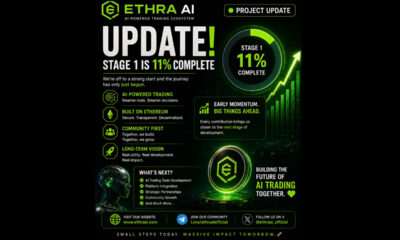
ETHRA AI Reports Strong Early Momentum as Stage 1 Presale Reaches 11% Completion

Understanding Comparative Negligence in Jacksonville Personal Injury Cases

LiquidWhales Goes Live: The First Hyperliquid Whale Tracker That Grades Every Wallet Net of Fees — and Lets You Copy the Winners in One Click

SolForger Launches as a Non-Custodial Solana Developer Platform for Builders, Creators, and On-Chain Projects

Securing the Future: Jayen Consulting Officially Migrates to a New Digital Domain

Focusing on Compliance, Truoux Advances MAS License Application

Truoux Advances UK FCA License Application, Deepens Compliance Strategic Layout

Truoux Optimizes Risk Control and AML Systems, Accelerating the RMO and DAX License Application Process

Rovum Builds Momentum in On-Chain Settlement Markets

Is Professional Mold Testing Worth It?

Why Small Shipping Boxes Are Becoming the Default for 25-unit Trial Runs

Radio Ads and Personal Spending: Where Prosecutors Allege the Dynamic Money Millions Went

The $34 Million Deception: Where the Guam Charity Bingo Money Really Went

Celeste White’s Influence on Sustainable Agricultural Practices in Napa Valley

Inside the 12-Count Federal Indictment Against Fugitive Darren Anthony Robinson

-
 Business2 days ago
Understanding Comparative Negligence in Jacksonville Personal Injury Cases
-
 Press Release5 days ago
LiquidWhales Goes Live: The First Hyperliquid Whale Tracker That Grades Every Wallet Net of Fees — and Lets You Copy the Winners in One Click
-
 Press Release1 day ago
ETHRA AI Reports Strong Early Momentum as Stage 1 Presale Reaches 11% Completion