
Education
Education Versus Formal Education

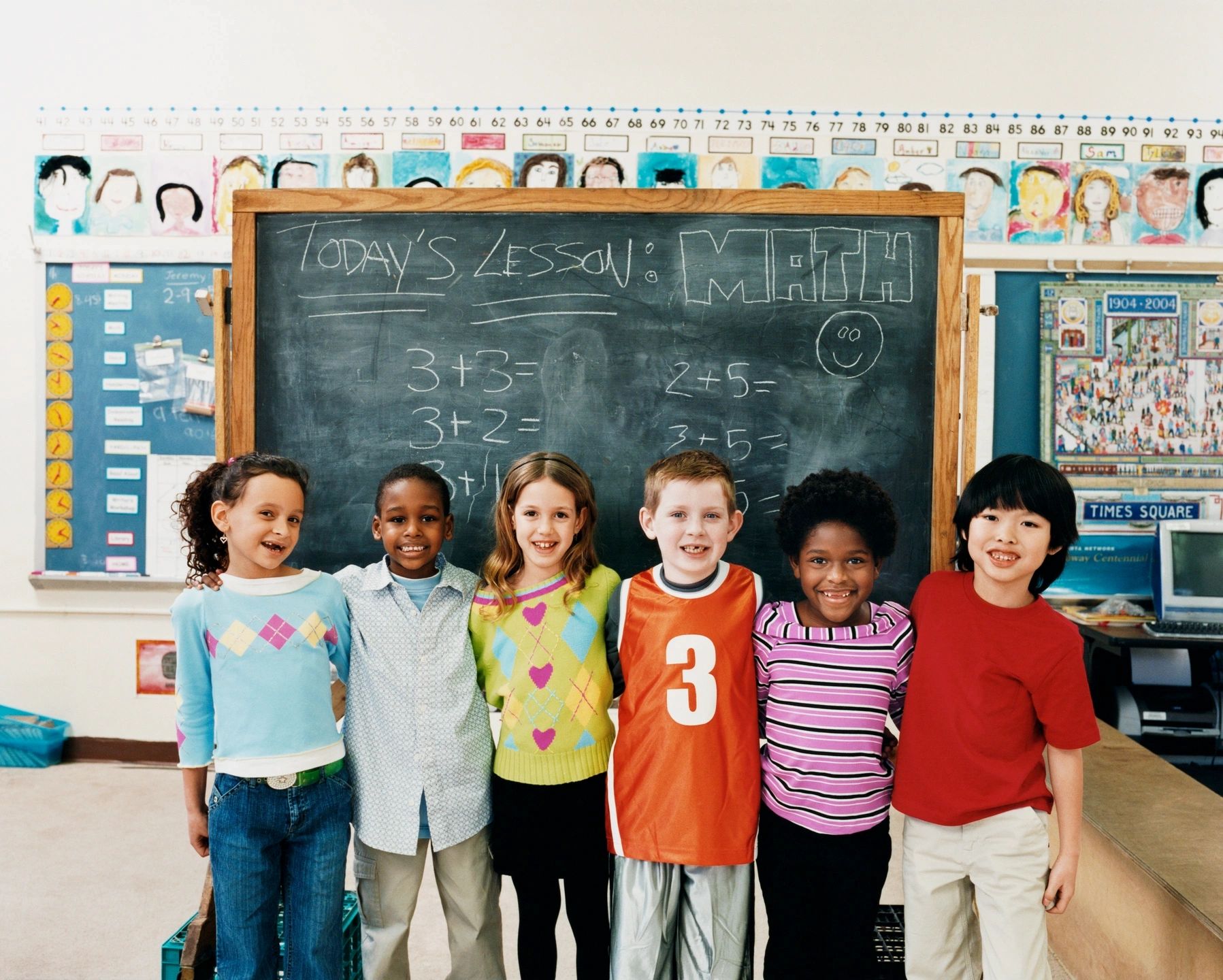
Education refers to the process by which individuals acquire knowledge, skills, talents, values, beliefs, and social attitudes, through a structured process of education. The acquisition of relevant information and education depends on various factors such as the ability of an individual to learn, his aptitudes, interests, previous learning experiences, his personality, motivation, ability, and time. Most people around the world are motivated by one or more educational factors. People who are economically vulnerable and those with other disabilities have limited access to formal education and are often prey to opportunistic individuals who claim to offer education but in fact give only a sub-standard form of education.
Informal education refers to a range of techniques used to facilitate the learning process and to provide information. Informal education is used to supplement formal education. These include community-based programs, television and radio programs, radio and TV shows, the written word, work practices, and informal learning processes like the art of conversation and literature reading. Informal education includes the processes that support learning such as observing and asking questions, informal learning process involving the group, cultural and recreational activities, literature reading, working on group projects, and group projects that use technological assistance.
Informal learning involves a wide range of strategies that are being applied in the fields of science, technology, engineering, medicine, nursing, arts, and humanities. These include curriculum-based teaching, instructional design, cross-curricular and parental involvement, experiential learning, applied research, computer and video games, and cultural learning. The techniques include problem-solving, self-testing, informal critical thinking, collaboration, and leadership. In most cases, informal education is used as a supportive mechanism for formal education.
There is an emerging need for learners and teachers to have flexibility in the learning process. It is becoming increasingly important to address the needs of students and equip them with the necessary skills and knowledge. As a result of the increasing demands and short time duration of formal education, learners are now more inclined towards learning non-formal education. Non-formal education refers to courses, training, seminars, workshops, and other related programs that allow the learners to gain knowledge by the use of informal methods. Such methods can be conducted at home, at offices, in classrooms, and in any other place or venue that is conducive to learning. The flexible nature of informal education allows the learners to take up short modules which can be completed in a span of 30 minutes to one hour.
Informal education has many advantages. It provides a valuable tool for enhancing job prospects and enhancing social and mental development in individuals. It helps the learners to develop skills that are necessary for their professional lives. By facilitating the informal and pragmatic learning process, the educational institutions are able to address the learning needs of students and help them gain a full understanding and knowledge about the subject. The quality of education improves due to the fact that children learn through collective efforts and experience and not only through the teacher-led or classroom-led experience.
Traditional education remains the first mode of education that most students follow. However, as they grow up, most of the students are influenced by the dominant mainstream educational methods. This often leads to disengagement from learning and attempts to get away from the routine learning processes. Many parents are now demanding more meaningful and effective ways of educating their children. Thus, the concept of non-formal education has emerged to provide an alternative form of education for students who are not interested in attending regular classes and are usually left behind in the regular curriculum.


Prosecutors Say Jason Finkelstein Spent 11 Seconds Reviewing Cardiac Images Before Clearing a Teenage Athlete

Prosecutors Say Jason Finkelstein Spent 11 Seconds Reviewing Cardiac Images Before Clearing a Teenage Athlete
Prosecutors Say Jason Finkelstein Spent 11 Seconds Reviewing Cardiac Images Before Clearing a Teenage Athlete
Prosecutors Say Jason Finkelstein Spent 11 Seconds Reviewing Cardiac Images Before Clearing a Teenage Athlete

Prosecutors Say Jason Finkelstein Spent 11 Seconds Reviewing Cardiac Images Before Clearing a Teenage Athlete
Prosecutors Say Jason Finkelstein Spent 11 Seconds Reviewing Cardiac Images Before Clearing a Teenage Athlete

Prosecutors Say Jason Finkelstein Spent 11 Seconds Reviewing Cardiac Images Before Clearing a Teenage Athlete
Prosecutors Say Jason Finkelstein Spent 11 Seconds Reviewing Cardiac Images Before Clearing a Teenage Athlete
Prosecutors Say Jason Finkelstein Spent 11 Seconds Reviewing Cardiac Images Before Clearing a Teenage Athlete

Prosecutors Say Jason Finkelstein Spent 11 Seconds Reviewing Cardiac Images Before Clearing a Teenage Athlete
Prosecutors Say Jason Finkelstein Spent 11 Seconds Reviewing Cardiac Images Before Clearing a Teenage Athlete
Prosecutors Say Jason Finkelstein Spent 11 Seconds Reviewing Cardiac Images Before Clearing a Teenage Athlete
Prosecutors Say Jason Finkelstein Spent 11 Seconds Reviewing Cardiac Images Before Clearing a Teenage Athlete

Prosecutors Say Jason Finkelstein Spent 11 Seconds Reviewing Cardiac Images Before Clearing a Teenage Athlete
Prosecutors Say Jason Finkelstein Spent 11 Seconds Reviewing Cardiac Images Before Clearing a Teenage Athlete

-
Alternative Energy5 days ago
Brian Rowan’s Possible Defense: No Intent, No Control, No Fraud, Just Sales
-
Alternative Energy5 days ago
Federal Grand Jury Indicts Oren Shachar in Hospice Fraud Case
-
Business4 days ago
How Darrell Seale Builds High-Performing Teams Through Service-Based Leadership
-
Education4 days ago
Daniel Cullen Delafield on Bridging Executive Leadership and Skilled Trades Development
-

 News2 days ago
Prosecutors Say Jason Finkelstein Spent 11 Seconds Reviewing Cardiac Images Before Clearing a Teenage Athlete
-
News2 days ago
Prosecutors Say Jason Finkelstein Spent 11 Seconds Reviewing Cardiac Images Before Clearing a Teenage Athlete
-
News2 days ago
Prosecutors Say Jason Finkelstein Spent 11 Seconds Reviewing Cardiac Images Before Clearing a Teenage Athlete
-
News2 days ago
Prosecutors Say Jason Finkelstein Spent 11 Seconds Reviewing Cardiac Images Before Clearing a Teenage Athlete