
Technology
Background Checks in the Digital Age: Evolution and Future Trends

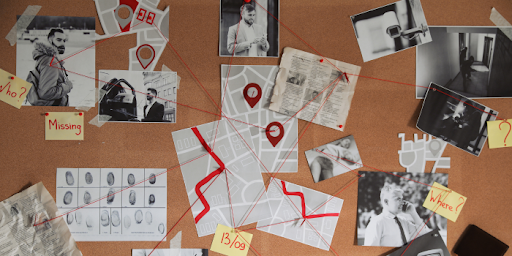
The Transformative Journey of Background Checks
The practice of conducting background checks has undergone a significant transformation over the years. Traditionally, these checks were a manual, labor-intensive process, often limited in scope and efficiency. With the advent of the internet and digital databases, the entire landscape has changed dramatically. Today, background checks are not just a tool for employers, but a multifaceted instrument used in various aspects of personal and professional life.
This evolution has not only enhanced the efficiency of background checks but has also expanded their utility. From verifying the credentials of a potential date to ensuring the safety of online transactions, the applications are vast and varied. The journey from paper-based archives to digital databases marks a significant leap, bringing with it both opportunities and challenges.
As we dive deeper into the intricacies of background checks in the modern era, we unravel a world where technology plays a pivotal role. The advancement in this field is not just about faster and more comprehensive checks but also about navigating the ethical and privacy concerns that accompany this progress.
The Impact of Artificial Intelligence and Machine Learning
One of the most significant advancements in the realm of background checks is the integration of Artificial Intelligence (AI) and Machine Learning (ML). These technologies have revolutionized how data is processed, interpreted, and utilized. AI algorithms can sift through vast amounts of data rapidly, identifying patterns and anomalies that might elude human analysts. This capability enhances the accuracy and depth of background checks, uncovering insights that were previously inaccessible.
Machine Learning, a subset of AI, further refines this process. By learning from past data, ML algorithms can predict outcomes, flag potential risks, and even identify areas that require further investigation. This proactive approach to background checking does not just save time but also adds a layer of predictive analysis, making the checks more comprehensive and forward-looking.
The integration of AI and ML in background checks also heralds a new era of automation. Routine checks can be automated, reducing the need for human intervention and minimizing the scope for error. This automation is particularly beneficial in handling large volumes of checks, a common requirement in today’s interconnected world.
The Role of Big Data and Enhanced Connectivity
The explosion of digital data, commonly referred to as Big Data, has had a profound impact on background checks. The availability of vast and varied data sources has made background checks more extensive and insightful. From social media footprints to public records and beyond, the depth of data available for analysis is unprecedented.
This wealth of information, coupled with enhanced connectivity and data sharing capabilities, has broadened the scope of background checks. It’s now possible to conduct international checks with relative ease, breaking the geographical barriers that once limited the scope of these investigations. The digital era has made the world a smaller place, and background checks reflect this change.
However, this abundance of data also brings forth challenges, particularly regarding privacy and data security. Ensuring the ethical use of personal data and protecting individual privacy are paramount concerns. As background checks delve deeper into personal histories, balancing the need for comprehensive checks with respect for personal privacy is an ongoing challenge that needs constant attention.
Navigating the Challenges of Privacy and Ethics
The advent of advanced technologies in background checks raises significant ethical and privacy concerns. The fine line between thorough investigation and invasion of privacy is often blurred. As background checks become more penetrating, ensuring they are conducted ethically and responsibly is crucial. This includes respecting data privacy laws, obtaining consent where necessary, and using information for legitimate purposes only.
The ethical challenges extend to the use of AI and ML as well. Bias in AI algorithms, for instance, is a critical concern. Ensuring that these technologies are fair and unbiased is essential to maintain the integrity of background checks. This involves constant monitoring and refining of AI models to ensure they do not perpetuate existing biases or create new ones.
In addition, the issue of transparency in AI-driven background checks is vital. Individuals have the right to know how and why certain conclusions were reached, especially if a background check influences decisions that affect their lives. The black-box nature of some AI systems can make this transparency challenging to achieve, but it remains an essential goal. The best background check site in the nation is developing safeguards to protect its customers.
Conclusion: Looking Towards a Responsible Future
The future of background checks is undeniably intertwined with technological advancements. As these tools become more sophisticated, they will continue to transform the landscape of background checking, offering deeper insights and more comprehensive analyses. However, this future also demands a responsible approach to technology adoption.
One of the key considerations for the future is the balance between efficiency and privacy. As tools become more powerful, ensuring they are used responsibly and ethically will be paramount. This includes not only adhering to legal standards but also setting industry best practices that prioritize individual rights and privacy.



Prosecutors Say Jason Finkelstein Spent 11 Seconds Reviewing Cardiac Images Before Clearing a Teenage Athlete

Prosecutors Say Jason Finkelstein Spent 11 Seconds Reviewing Cardiac Images Before Clearing a Teenage Athlete
Prosecutors Say Jason Finkelstein Spent 11 Seconds Reviewing Cardiac Images Before Clearing a Teenage Athlete
Prosecutors Say Jason Finkelstein Spent 11 Seconds Reviewing Cardiac Images Before Clearing a Teenage Athlete

Prosecutors Say Jason Finkelstein Spent 11 Seconds Reviewing Cardiac Images Before Clearing a Teenage Athlete
Prosecutors Say Jason Finkelstein Spent 11 Seconds Reviewing Cardiac Images Before Clearing a Teenage Athlete

Prosecutors Say Jason Finkelstein Spent 11 Seconds Reviewing Cardiac Images Before Clearing a Teenage Athlete
Prosecutors Say Jason Finkelstein Spent 11 Seconds Reviewing Cardiac Images Before Clearing a Teenage Athlete
Prosecutors Say Jason Finkelstein Spent 11 Seconds Reviewing Cardiac Images Before Clearing a Teenage Athlete

Prosecutors Say Jason Finkelstein Spent 11 Seconds Reviewing Cardiac Images Before Clearing a Teenage Athlete
Prosecutors Say Jason Finkelstein Spent 11 Seconds Reviewing Cardiac Images Before Clearing a Teenage Athlete
Prosecutors Say Jason Finkelstein Spent 11 Seconds Reviewing Cardiac Images Before Clearing a Teenage Athlete
Prosecutors Say Jason Finkelstein Spent 11 Seconds Reviewing Cardiac Images Before Clearing a Teenage Athlete

Prosecutors Say Jason Finkelstein Spent 11 Seconds Reviewing Cardiac Images Before Clearing a Teenage Athlete
Prosecutors Say Jason Finkelstein Spent 11 Seconds Reviewing Cardiac Images Before Clearing a Teenage Athlete

-
Alternative Energy4 days ago
Brian Rowan’s Possible Defense: No Intent, No Control, No Fraud, Just Sales
-
Alternative Energy4 days ago
Federal Grand Jury Indicts Oren Shachar in Hospice Fraud Case
-
Business3 days ago
How Darrell Seale Builds High-Performing Teams Through Service-Based Leadership
-
Education3 days ago
Daniel Cullen Delafield on Bridging Executive Leadership and Skilled Trades Development
-

 News1 day ago
Prosecutors Say Jason Finkelstein Spent 11 Seconds Reviewing Cardiac Images Before Clearing a Teenage Athlete
-
News1 day ago
Prosecutors Say Jason Finkelstein Spent 11 Seconds Reviewing Cardiac Images Before Clearing a Teenage Athlete
-
News1 day ago
Prosecutors Say Jason Finkelstein Spent 11 Seconds Reviewing Cardiac Images Before Clearing a Teenage Athlete
-
News1 day ago
Prosecutors Say Jason Finkelstein Spent 11 Seconds Reviewing Cardiac Images Before Clearing a Teenage Athlete